
Africa's energy story and Africa's development story are really the same story. Reliable electricity keeps hospitals running, keeps schools functioning after dark, lets businesses operate and grow, and quietly shapes everyday life in ways that are easy to take for granted anywhere it already exists.
The scale of the gap is genuinely striking. According to the most recent Tracking SDG7 report from the IEA, IRENA, and the World Bank, around 563 million people in Sub-Saharan Africa still live without electricity access, accounting for 86 percent of the entire global electricity access deficit. Nigeria alone has an estimated 87 million people without power, the single largest number anywhere in the world. The Democratic Republic of the Congo follows closely with around 85 million, and Ethiopia with around 57 million.
Renewable energy isn't a complete fix for that gap on its own. But it's become one of the most realistic and fastest growing parts of the solution.
Africa Has Genuinely Major Renewable Resources
This isn't a modest opportunity. Many regions across the continent receive strong, consistent sunlight, and various parts of Africa also hold real potential in wind, hydropower, geothermal, and biomass resources.
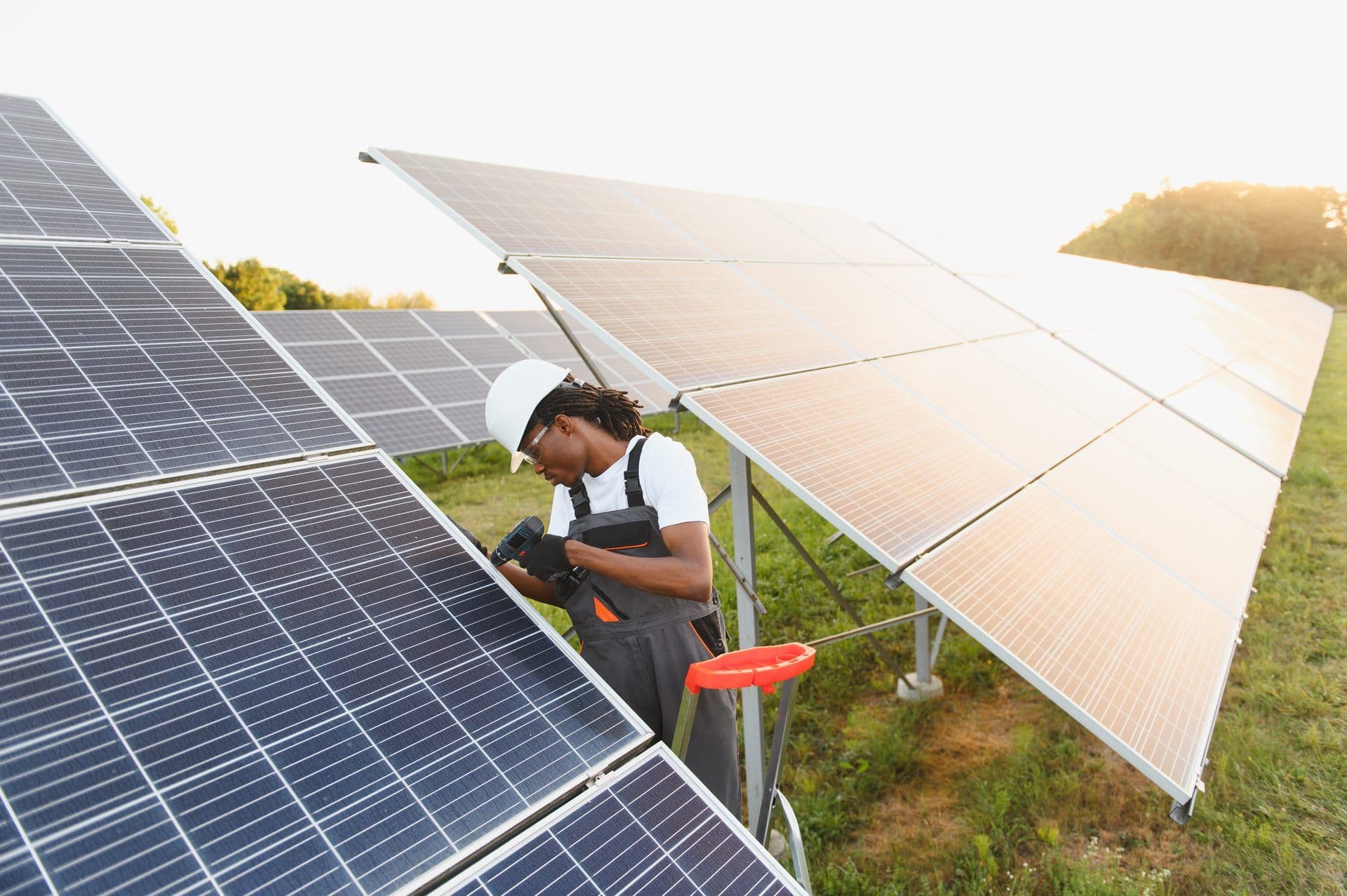
Solar in particular stands out because of how flexible it is. It scales up or down without losing its core logic, from a small system powering a single home, all the way up to a solar farm the size of Egypt's Benban complex, which alone has a capacity of 1.8 gigawatts and powers more than a million homes. That range, from rooftop to national grid, is part of what makes solar such a natural fit for a continent with such varied energy needs from one region to the next.
Renewable Energy Can Genuinely Expand Access
Extending a traditional grid out to a remote community is expensive and technically difficult, sometimes to the point of being simply impractical. That's exactly where distributed renewable solutions earn their place.
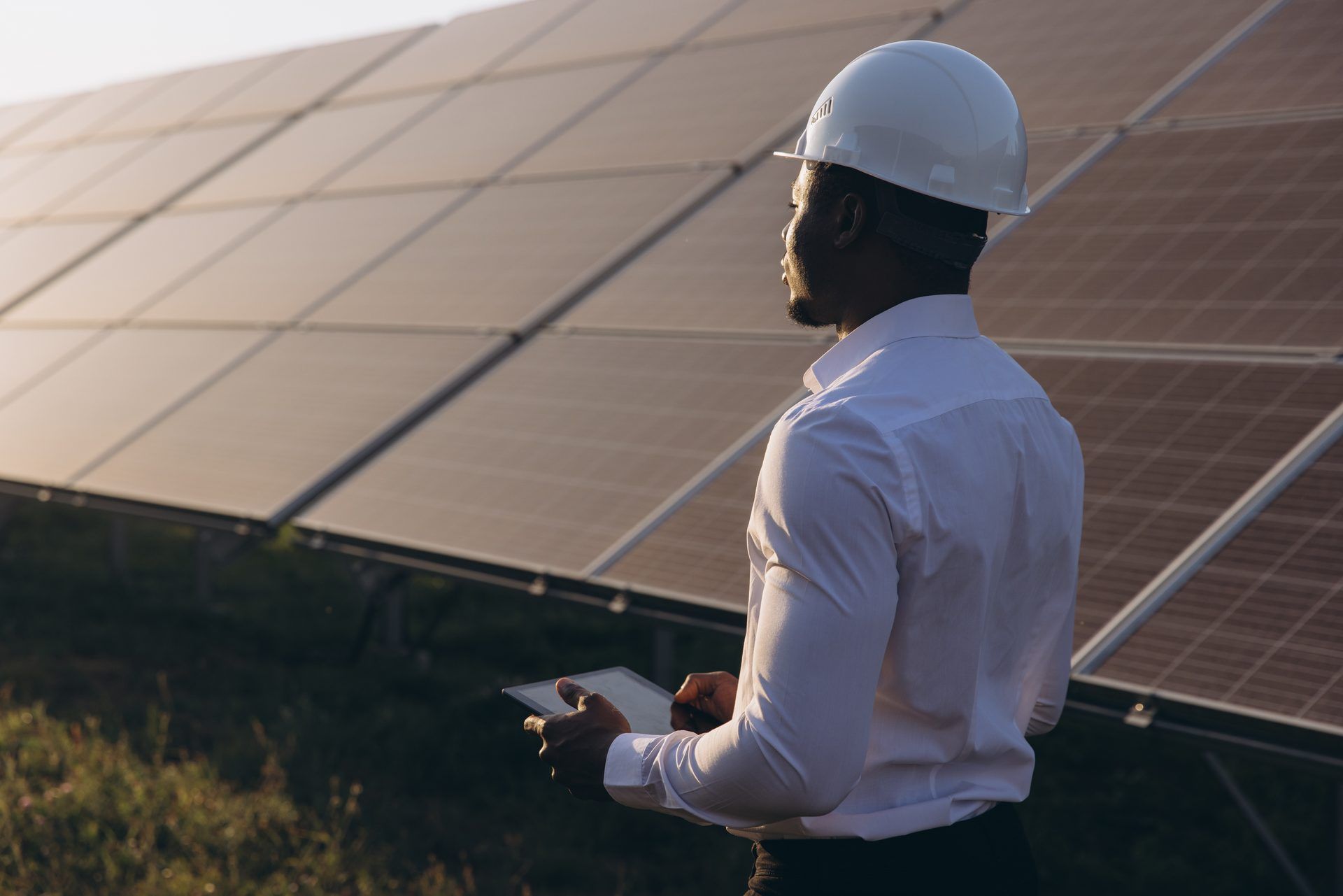
Solar home systems and mini-grids offer a real alternative. The World Bank projects that mini-grids alone could bring electricity to as many as 380 million Africans by 2030. Companies like M-KOPA have already demonstrated this at real scale, growing from selling pay-as-you-go solar home systems in East Africa into a business serving millions of customers across the continent, built entirely around making electricity access affordable one small daily payment at a time.
For a business or a community, dependable electricity isn't an abstract upgrade. It shows up directly in things like how long a shop can stay open, whether a clinic can refrigerate vaccines, and whether a student can study after the sun goes down.
It Can Support Real Economic Growth Too
Africa's population and economies are both growing fast, and that growth is going to demand a lot more electricity, not less.
Renewable projects help meet that demand directly by adding generation capacity, but they also create real economic activity along the way, construction jobs, engineering work, ongoing operations and maintenance roles. Kenya's Lake Turkana Wind Power project is a good example of this in practice. Beyond the roughly 310 megawatts of electricity it added to Kenya's grid, it also became the largest private investment in the country's history at the time it was built, drawing in financing, construction work, and long-term jobs alongside the power itself.
Large-scale projects like this can also help unlock industrial development, since reliable electricity and solid infrastructure are often exactly what heavier industry needs before it can expand into a region at all.
The Transition Still Comes With Real Challenges
It would be misleading to present renewable energy as a simple, guaranteed fix. It isn't.
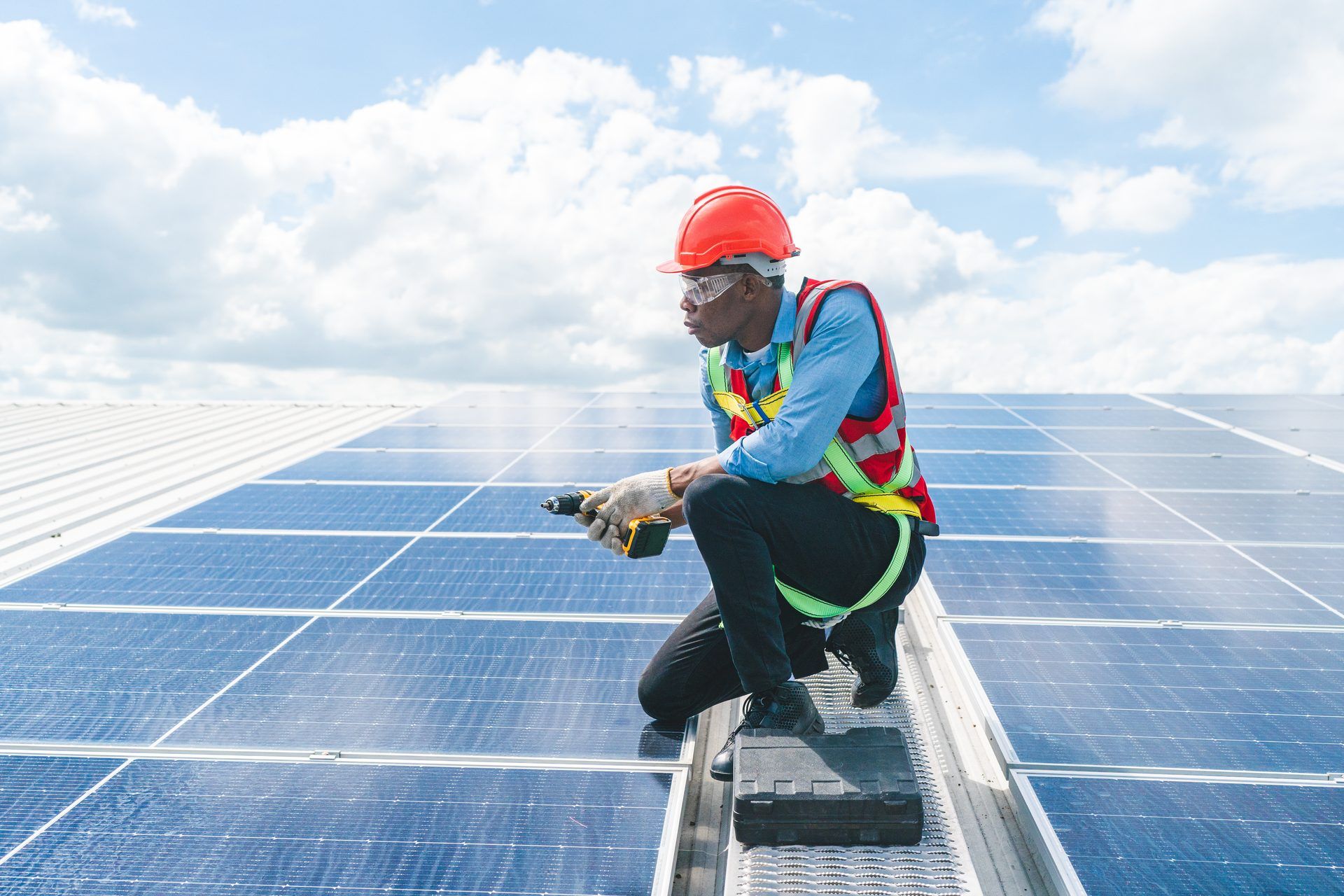
Projects still need serious financing, and getting that financing arranged, often through structures like project finance and long-term power purchase agreements, takes real time and expertise. They need transmission infrastructure to actually move electricity from where it's generated to where it's needed. They need suitable land, skilled workers, effective government policy, and electricity systems capable of handling everything reliably.
Solar and wind generation also vary with the weather, which is exactly why grid planning and technologies like battery storage have become such an important part of the conversation. A grid with a lot of solar and wind needs a real strategy for the hours when neither is producing much, and storage is increasingly a central piece of that strategy.
There are also newer opportunities layered on top of all this. Countries like Namibia are betting on green hydrogen, using the continent's strong solar and wind resources to power electrolysers and produce hydrogen for both regional use and export, with Namibia's own project alone representing a planned investment of around 9.4 billion dollars.
What This Really Comes Down To
Africa's renewable energy opportunity isn't just about installing more solar panels or putting up more wind turbines, even though both of those matter. It's about building complete energy systems, generation, storage, financing, grid infrastructure, and policy all working together, that can deliver electricity that's reliable, affordable, and sustainable as the continent's needs keep growing over the coming decades.
That's a genuinely large undertaking. But the resource base is there, the technology has matured fast, and real projects across the continent are already proving it can work at serious scale.