
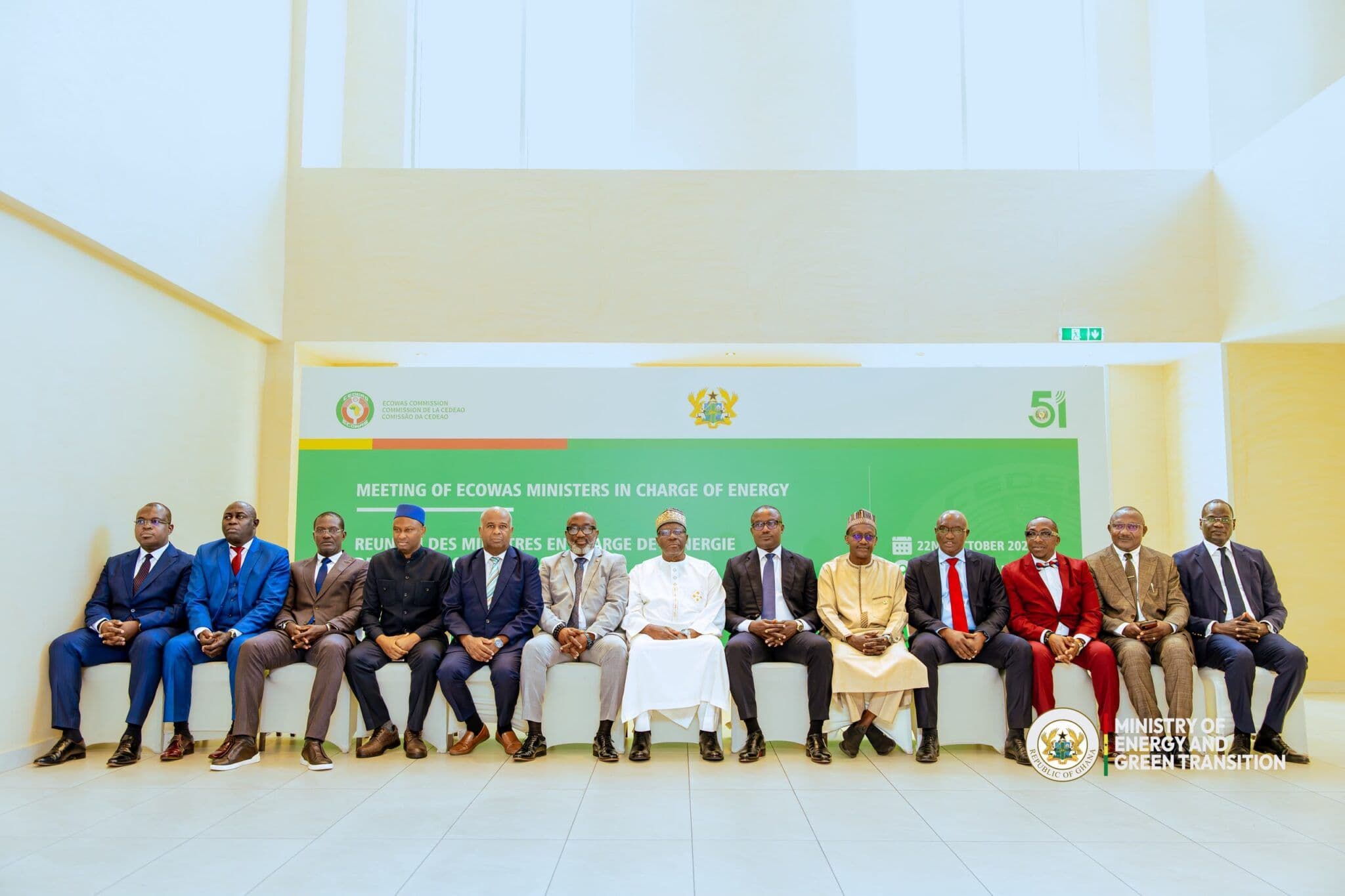
West Africa is taking an important step towards integrating battery energy storage into its electricity network. Energy ministers from the Economic Community of West African States (ECOWAS) have adopted a regional directive establishing a common framework for Battery Energy Storage Systems (BESS) and other energy storage technologies. The development reflects a growing recognition that expanding renewable energy generation must go hand in hand with improving the flexibility and reliability of electricity networks.
Building a Common Framework for Energy Storage
The ECOWAS directive aims to harmonise regulations governing both grid-connected and off-grid storage systems across member states. Its provisions cover licensing, market participation, pricing, public procurement, safety standards and battery recycling.
A common regulatory approach could help create greater consistency for energy storage developers and investors operating across different West African markets. It also provides a foundation for integrating storage technologies into regional electricity planning and power trading systems.
How Grid-Scale Battery Storage Works
As solar and wind generation expand, electricity supply can fluctuate depending on weather conditions and time of day. Grid-scale BESS helps address this challenge by storing surplus electricity when generation is high and releasing it when demand increases or renewable output falls.
This can reduce renewable energy curtailment, support frequency regulation and improve grid flexibility. Battery storage can therefore help electricity networks manage changing supply and demand more effectively.
Ghana's Move Towards Solar-Plus-Storage
Alongside the regional directive, Ghana announced procurement of a 200 MW battery energy storage system paired with a 200 MWp solar PV plant. The initiative is intended to absorb surplus daytime generation and support the transmission network during evening peak demand.
This development illustrates how combining renewable generation with storage can strengthen electricity system management.
West Africa's energy transition will require more than additional generation capacity. Regional frameworks, suitable infrastructure and technologies such as BESS will be essential to building electricity networks that are more flexible, connected and reliable.