
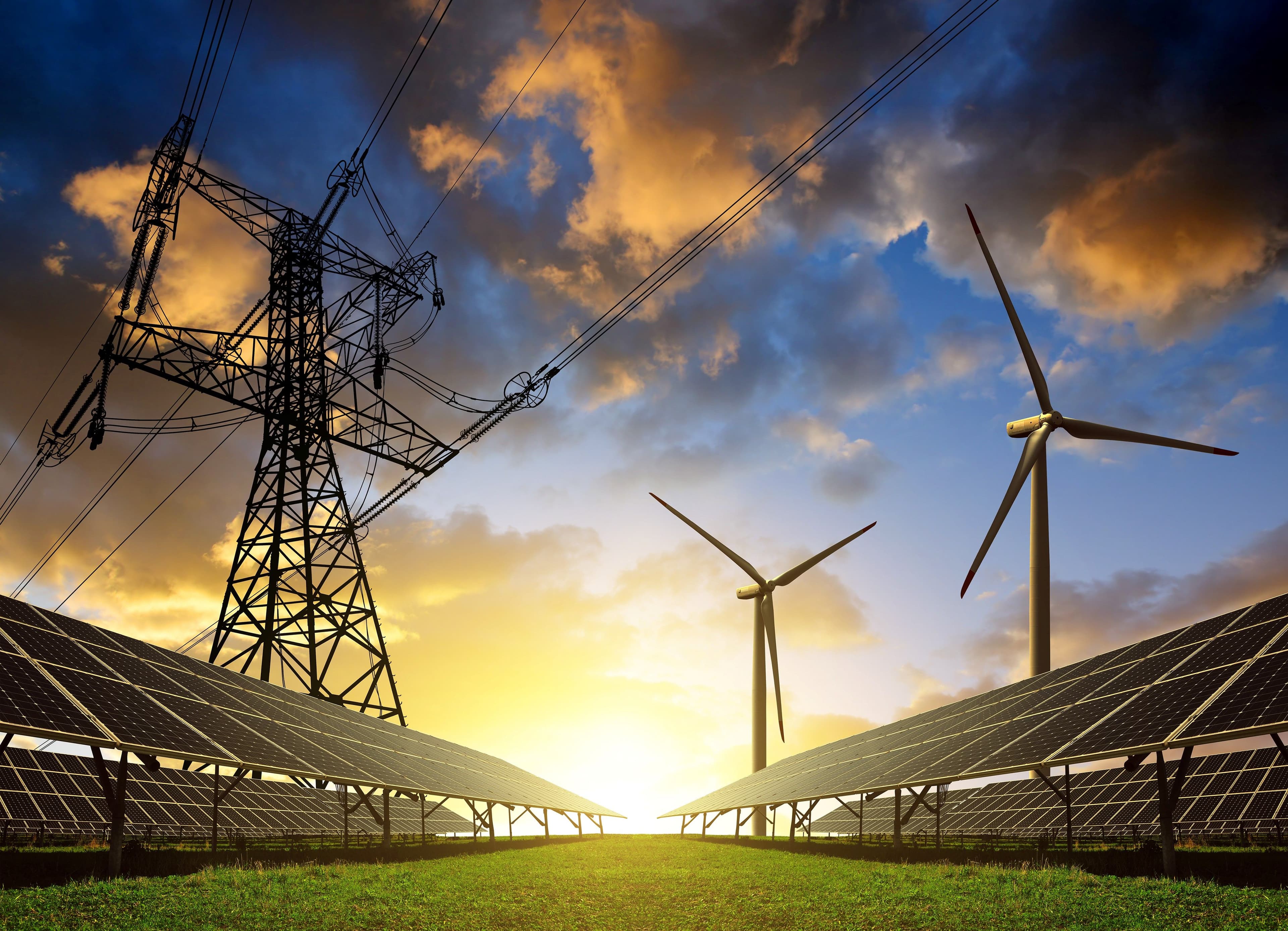
Africa's renewable energy transition is gaining momentum. Across the continent, investments in solar and wind energy are creating new opportunities to expand electricity generation and reduce dependence on conventional power sources. However, as renewable energy capacity grows, one fundamental question deserves greater attention: how will this electricity reach the people and industries that need it?
Generating electricity is only one part of the energy value chain. Without adequate transmission and distribution infrastructure, even the most promising renewable energy projects may struggle to deliver their full potential.
Africa accounts for less than 3% of the world's electricity grid length, despite being home to nearly 18% of its population. More than USD 200 billion in network infrastructure investment is expected to be required across the continent by 2040 to meet rising demand and connect new energy sources. These figures highlight a critical gap between the continent's renewable energy ambitions and its ability to deliver that power.
The Missing Link in Energy Development
Many solar and wind projects are located far from major centres of electricity consumption. Connecting them to existing networks requires adequate transmission lines, substations and distribution systems. Where infrastructure is limited, new projects can face connection delays, grid congestion and renewable energy curtailment.
This makes grid development just as important as expanding generation capacity. Producing more clean electricity will have limited impact if existing networks cannot transport it efficiently to end users.
Building an Integrated Energy System
Africa's next phase of energy development must prioritise a more coordinated approach. Investments in renewable generation need to go hand in hand with transmission expansion, distribution upgrades and grid modernisation.
Battery Energy Storage Systems (BESS) can further support this transition by helping balance electricity supply and demand. However, storage and generation must be supported by reliable networks to deliver their full value.
Governments, utilities, developers and investors must therefore look beyond individual generation projects and consider the wider infrastructure needed to support them.
Africa's energy transition should not be measured by how much clean electricity it can generate alone, but by how effectively that electricity reaches communities, businesses and industries.
The next major step in Africa's renewable energy journey must be to connect the power it is working so hard to produce.