
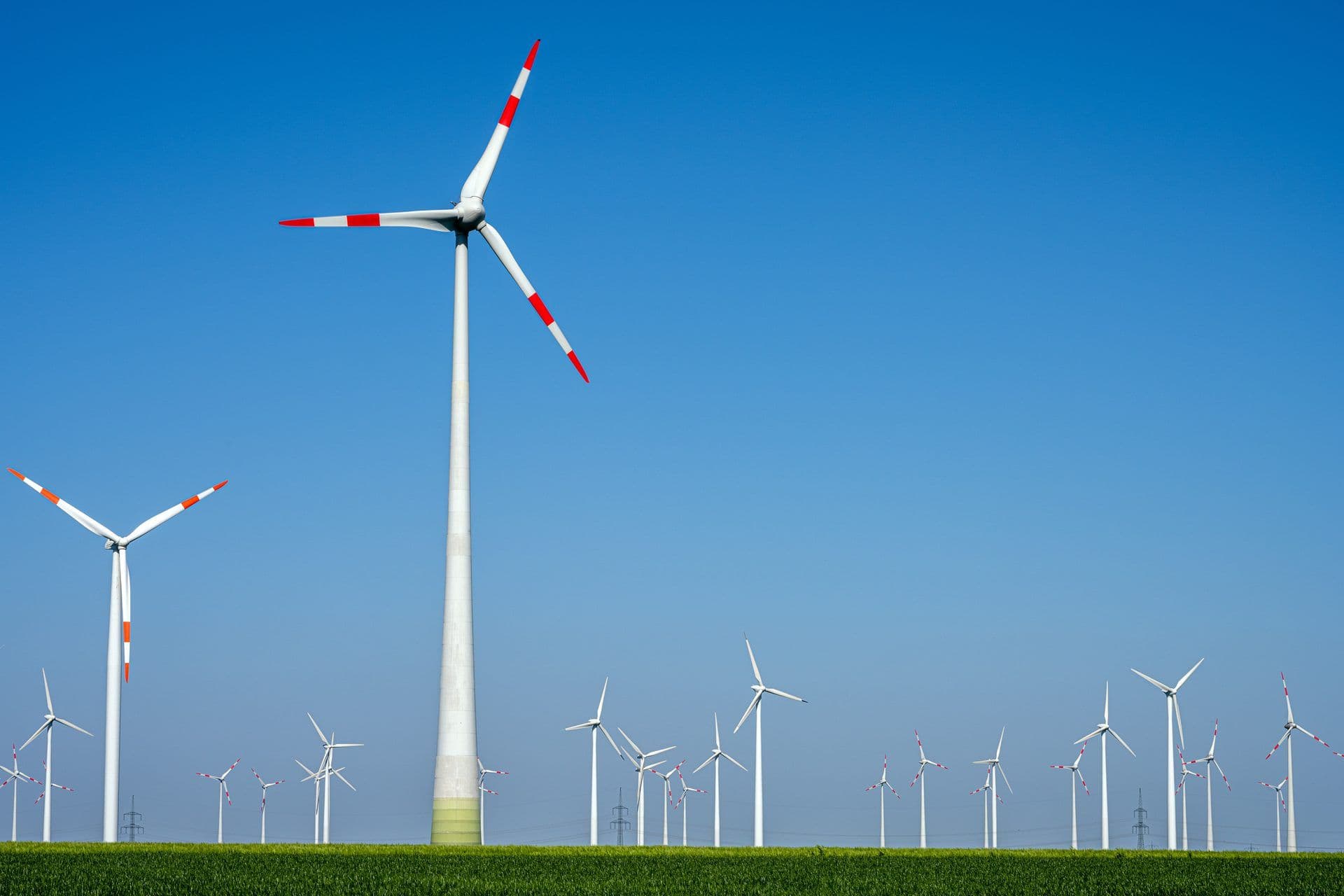
A wind turbine takes something completely free, moving air, and turns it into electricity. From the outside, it looks almost too simple. A big machine with spinning blades. But inside that tower, several different components have to work together perfectly for that spinning motion to actually become usable power.
Here's what's really happening, piece by piece.
What Happens When Wind Reaches a Turbine?
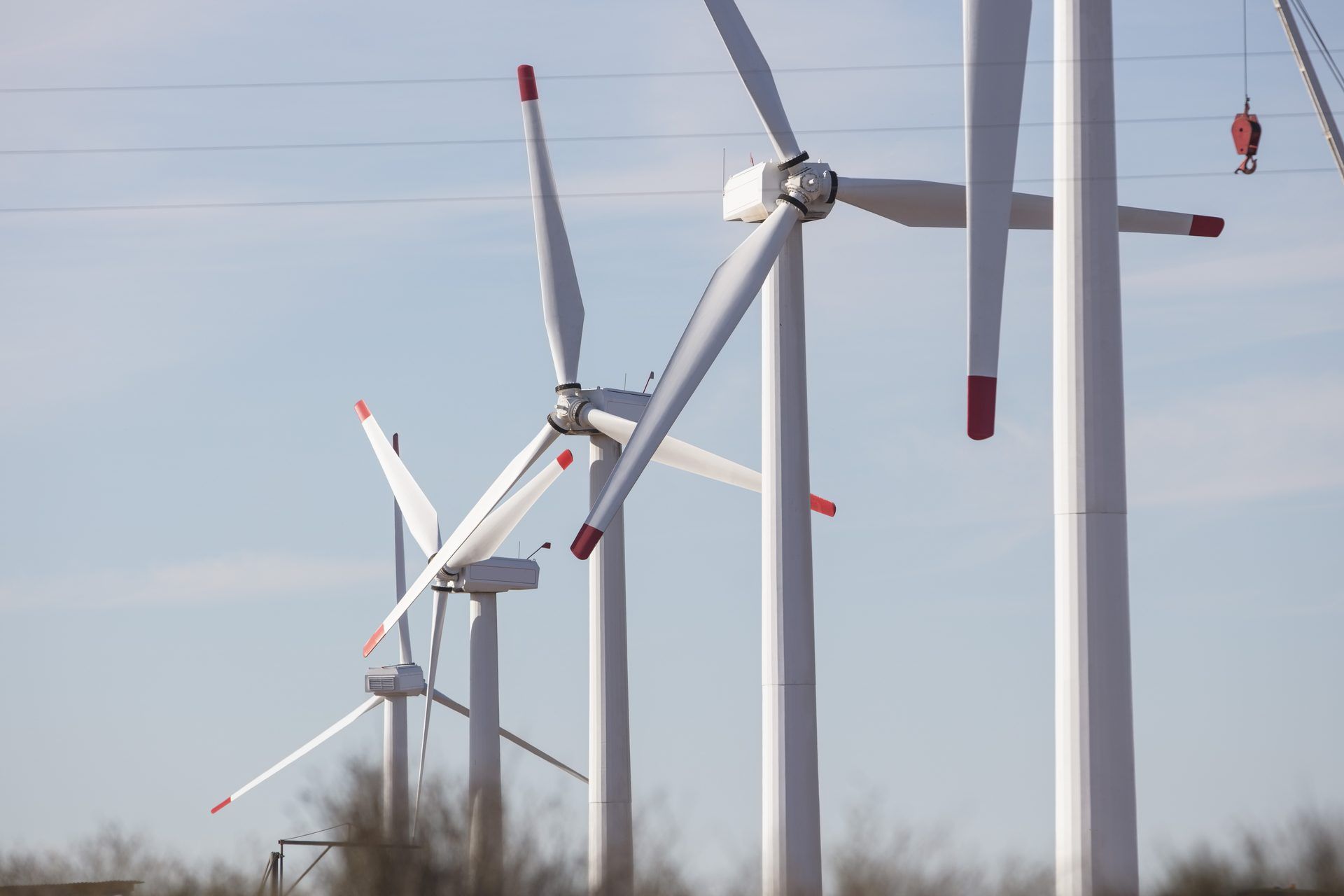
It starts with the blades. They're not just flat panels catching wind like a sail. They're carefully shaped, similar in principle to an airplane wing, so that moving air creates aerodynamic forces strong enough to make the whole rotor turn.
That rotor connects to a shaft running through the body of the turbine. As wind spins the rotor, the shaft spins with it, and that shaft drives a generator. This is the actual moment mechanical motion becomes electricity.
Different turbines handle the next part differently. Some use a gearbox to adjust the rotational speed before it reaches the generator, since generators often need higher speeds than a big, slow moving rotor naturally produces. Other, newer designs skip the gearbox entirely and use what's called direct drive technology instead, which tends to mean fewer moving parts and less maintenance, though it comes with its own tradeoffs in size and cost.
What Happens to the Electricity After That?
Once the generator produces electricity, it doesn't go straight to the grid untouched. It passes through electrical equipment that processes and conditions it first.
In a wind farm, this gets more involved, since you're not dealing with just one turbine. Electricity from every turbine on site gets collected and carried through the project's internal electrical network. From there, a transformer steps up the voltage, since electricity travels much more efficiently over long distances at higher voltage, before it finally reaches the grid connection point.
What Actually Affects How Much Power a Turbine Produces?
A wind turbine doesn't produce a constant, steady amount of electricity. Output shifts constantly based on conditions.
Wind speed matters most, by a wide margin. But it's not the only factor. Turbine height matters too, since wind tends to be stronger and steadier higher off the ground. Rotor size matters, because a larger swept area captures more wind per rotation. Location matters enormously, and so does the specific equipment design being used.
This is exactly why wind farm developers spend so much time studying wind conditions at a potential site before ever building anything. Get the location wrong and even the best turbine on the market will underperform.
For context on just how far turbine design has come, the largest wind turbines operating today have rotor diameters over 260 meters, roughly the length of two and a half football fields, with individual blades over 120 meters long. A single one of these machines can generate around 16 megawatts, enough to supply tens of thousands of homes on its own. Turbine towers have also gotten dramatically taller, with some modern onshore models now standing close to 200 meters tall at the hub, specifically to reach stronger, steadier wind higher above the ground.
Where Are Wind Turbines Used?
Wind turbines get installed in two broad settings: onshore, meaning on land, and offshore, out in open water.
Offshore turbines tend to be the biggest of all, largely because wind offshore is generally stronger and more consistent, and because there's far less concern about how tall or visually prominent a structure looks out at sea compared to on land near communities.
A wind project might involve just a handful of turbines, or it might involve hundreds, all tied together through a shared electrical system feeding into the same grid connection.
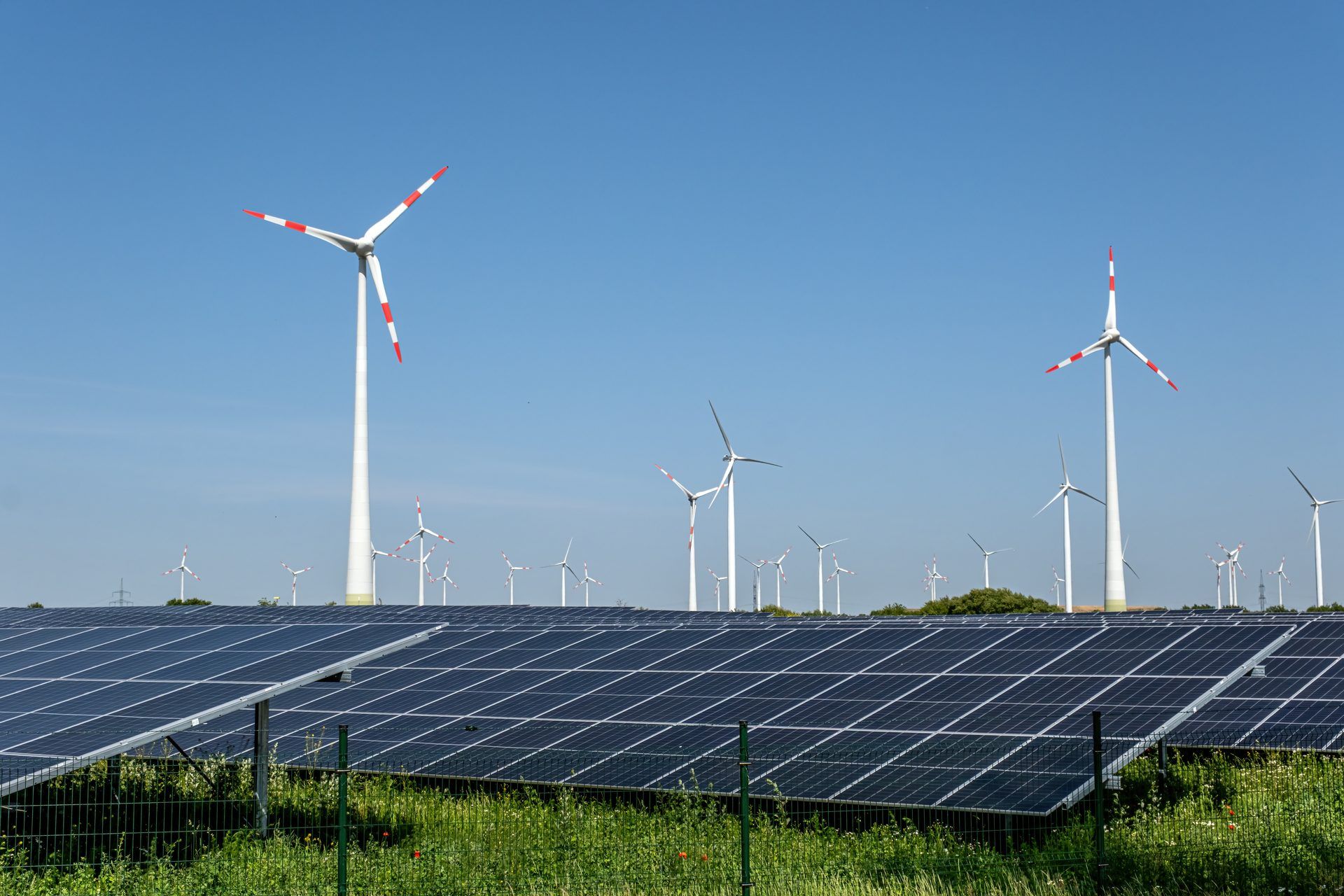
Wind power also pairs naturally with solar. Solar generation peaks during daylight hours, while wind can pick up at different times depending entirely on local weather patterns, sometimes overnight, sometimes during storms that would otherwise reduce solar output. Combining the two can smooth out a lot of the natural ups and downs either technology would face on its own.