
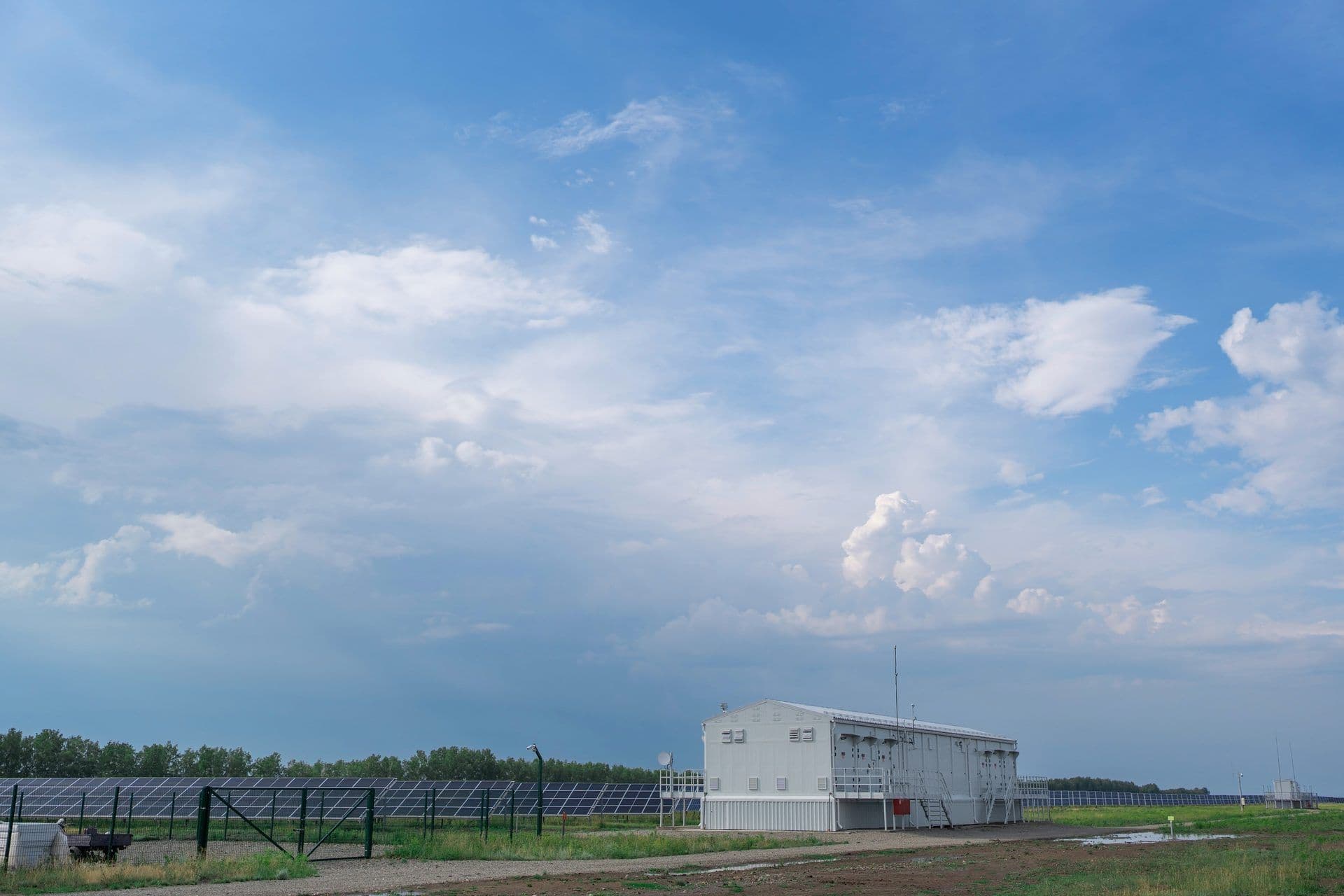
At its core, a battery storage system does one simple thing. It lets you save electricity at one point in time and use it later. But there's a real process behind that simplicity, and it comes down to two stages: charging and discharging.
Understanding what actually happens during each stage makes it a lot easier to see why some battery systems perform better than others, and why not every battery is built the same way.
What Happens When a Battery Charges?
Charging is the stage where electricity goes into the battery and gets stored.
When electricity flows into the battery, it triggers an electrochemical reaction inside the cells. That reaction is what actually stores the energy, converting it from electrical form into chemical form. It's not just sitting there as electricity waiting around. It's been transformed into a different kind of stored energy entirely, which is part of why batteries can hold charge for extended periods.
For a solar battery system specifically, charging often happens during the parts of the day when panels are producing more electricity than the building actually needs right then. Rather than wasting that surplus or sending all of it out to the grid, the system routes some of it into the battery instead. It's a simple way of not letting free electricity go unused.
What Happens When a Battery Discharges?
Discharging is the reverse process, and it's what happens whenever that stored electricity is actually needed.
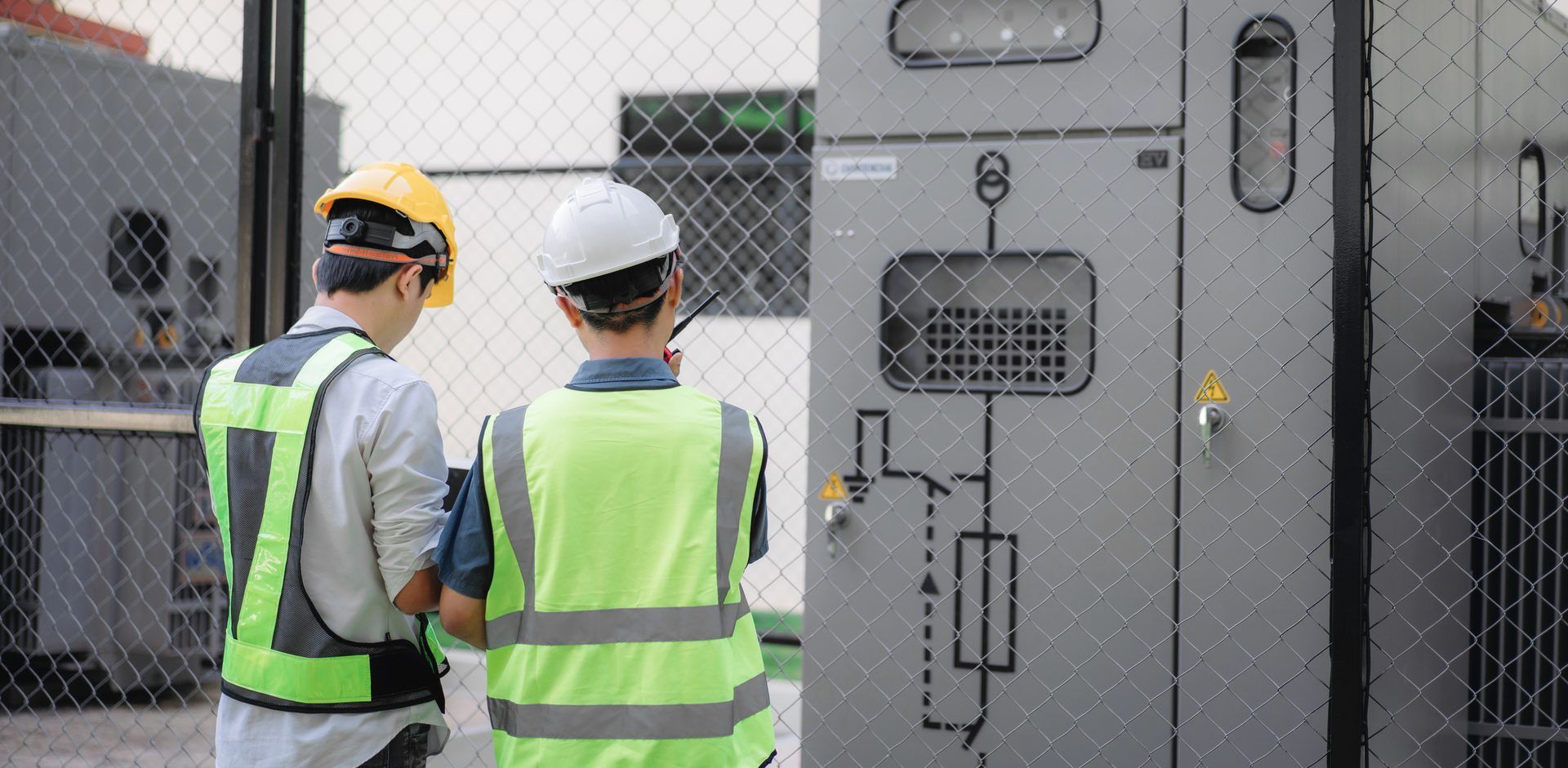
The chemical energy stored inside the battery gets converted back into electrical energy. The system's control equipment decides when this should happen and how much power should be released at any given moment, based on demand. From there, an inverter often steps in to convert that electricity into whatever form the building or the grid actually requires.
This back and forth between charging and discharging can happen many times a day in some systems, or just once every 24 hours in others, depending entirely on how the system is being used.
What Determines How Well a Battery System Performs?
A few different factors decide how good any given battery system actually is at its job.
Energy capacity tells you how much electricity the battery can hold in total, usually measured in kilowatt hours or megawatt hours. Power rating tells you something different: how fast the battery can deliver or absorb electricity at any single moment. A battery with a lot of capacity but a low power rating can store plenty of energy but can't release it very quickly, which matters a lot depending on what the system is actually being used for.
There are also practical limits worth knowing about. Batteries operate within certain temperature ranges, and performance can suffer outside those limits. Charging speed has limits too. Push a battery to charge too fast too often and it tends to wear out faster.
That wear matters more than people usually expect. Most lithium-ion battery systems, which is what the large majority of modern storage projects use, convert somewhere around 85 to 95 percent of the electricity that goes in back out again when discharged, with the rest lost mostly as heat. And degradation over time isn't a straight line. Batteries typically lose capacity faster in their early years of use than they do later on, which is why manufacturers usually base their warranties around a target capacity, often somewhere around 80 percent of the original, rather than promising the battery will perform exactly the same after ten or fifteen years as it did on day one.
This is exactly why monitoring and management systems matter so much in any serious battery installation. They're not just there to operate the battery. They're there to protect it, keeping temperature, charge speed, and usage patterns within ranges that keep the battery performing well for as long as possible.
How Is Battery Storage Used on the Grid?
At the grid scale, battery systems earn their value by reacting fast.
Large battery installations can respond within moments when electricity supply or demand suddenly shifts, something older forms of power infrastructure often can't match. They store power when it's available and release it the instant more is needed, smoothing out swings that would otherwise strain the grid.
This kind of speed and flexibility is a big part of why battery storage has become such a natural partner for renewable energy projects specifically, and increasingly, just for keeping electricity systems stable in general.