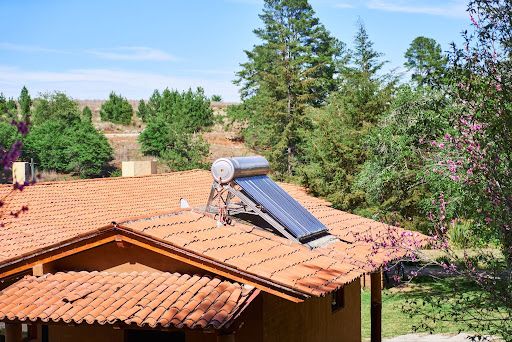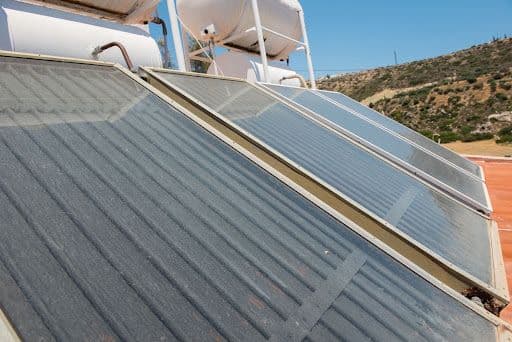
Solar panels are usually associated with producing electricity, but sunlight can also be used directly as a source of heat. This is the principle behind solar thermal energy.
Rather than converting sunlight into electricity, solar thermal systems collect the sun’s heat and transfer it to a fluid or another medium. The resulting heat can then be used for purposes such as heating water, warming buildings or supporting industrial processes.
How does solar thermal work?
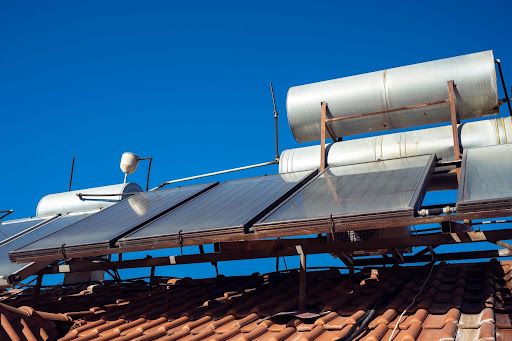
A typical system uses collectors designed to absorb sunlight. As the collectors heat up, that energy is transferred to a fluid flowing through the system. The heated fluid can then carry the thermal energy to where it is needed.
The technology can be used at different scales. A small installation may provide hot water for a building, while a much larger facility can produce and deliver heat for industrial applications.
What is concentrated solar power?
Concentrated solar power (CSP) is a form of solar thermal technology designed for large-scale energy production. Instead of using a standard photovoltaic panel, CSP systems use mirrors or other concentrating equipment to direct sunlight onto a specific point or area.
The concentrated sunlight produces intense heat, which can be used to create steam and drive a turbine to generate electricity. Some CSP facilities can also incorporate thermal storage, allowing collected heat to be used after sunlight levels fall.
Why is solar thermal energy useful?
One advantage of solar thermal technology is that it works with heat directly. This can make it useful for applications where heat is needed rather than electricity.
Interest in CSP Africa is also linked to the continent's strong solar resources. Countries with suitable sunlight conditions may have opportunities to use concentrated solar power for large-scale electricity generation.
From household hot-water systems to large CSP facilities, solar thermal technologies offer different ways to make practical use of the sun's heat.