
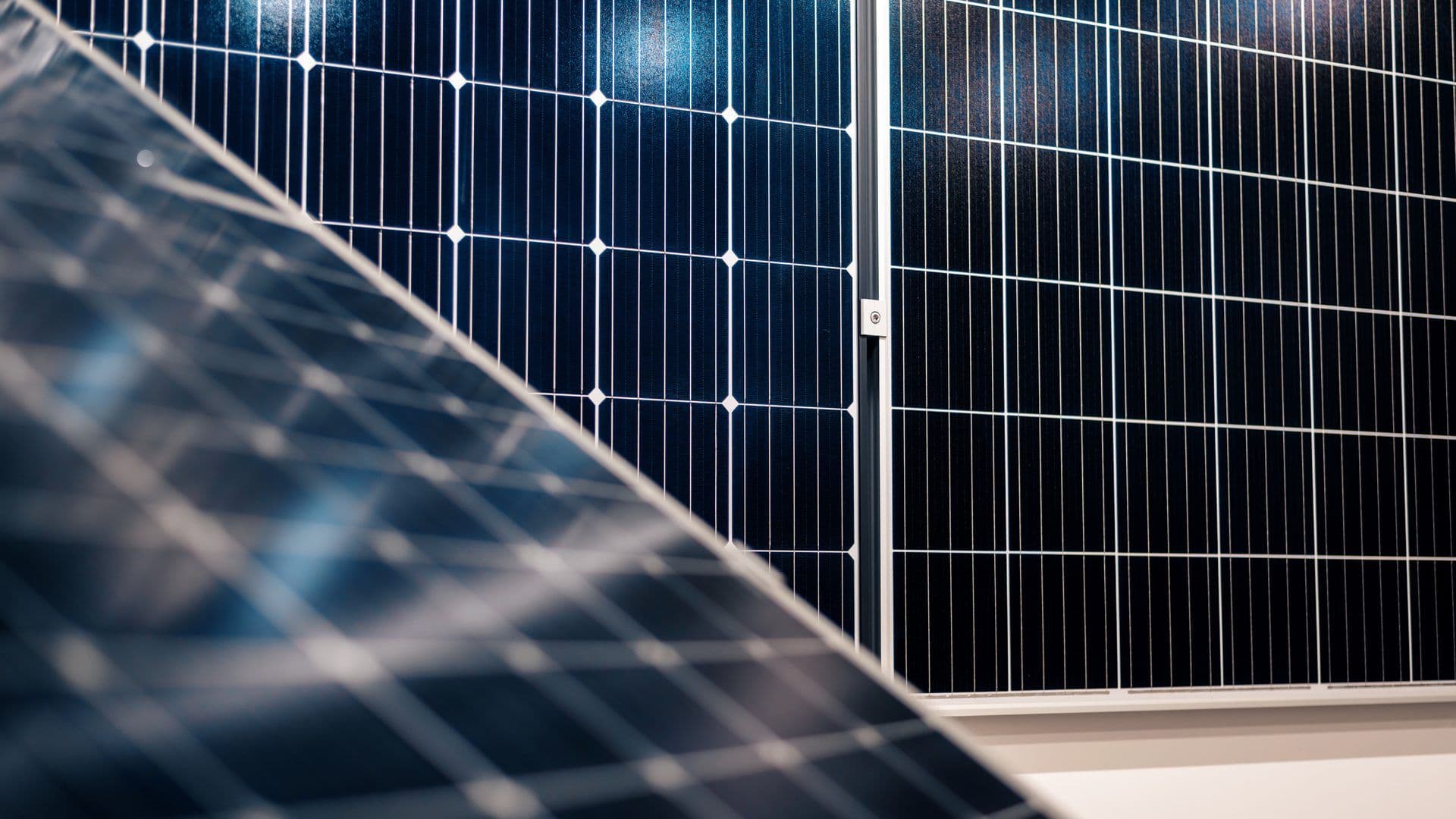
Solar PV, short for solar photovoltaic, is the technology behind almost every solar panel you've ever seen. It's the process of converting sunlight directly into electricity using specially engineered materials, without burning anything or boiling water to make steam like a traditional power plant.
When people talk about "solar power" in everyday conversation, they're almost always talking about solar PV. It's become the dominant form of solar technology worldwide by a wide margin.
How Does Solar PV Technology Actually Work?
At the core of every solar PV panel are photovoltaic cells, usually made from silicon, a semiconductor material. When sunlight hits one of these cells, it knocks electrons loose inside the material, and that movement of electrons creates an electrical current.
That current comes out as DC electricity, which then passes through an inverter to become AC electricity, the type used by homes, businesses, and the electricity grid.
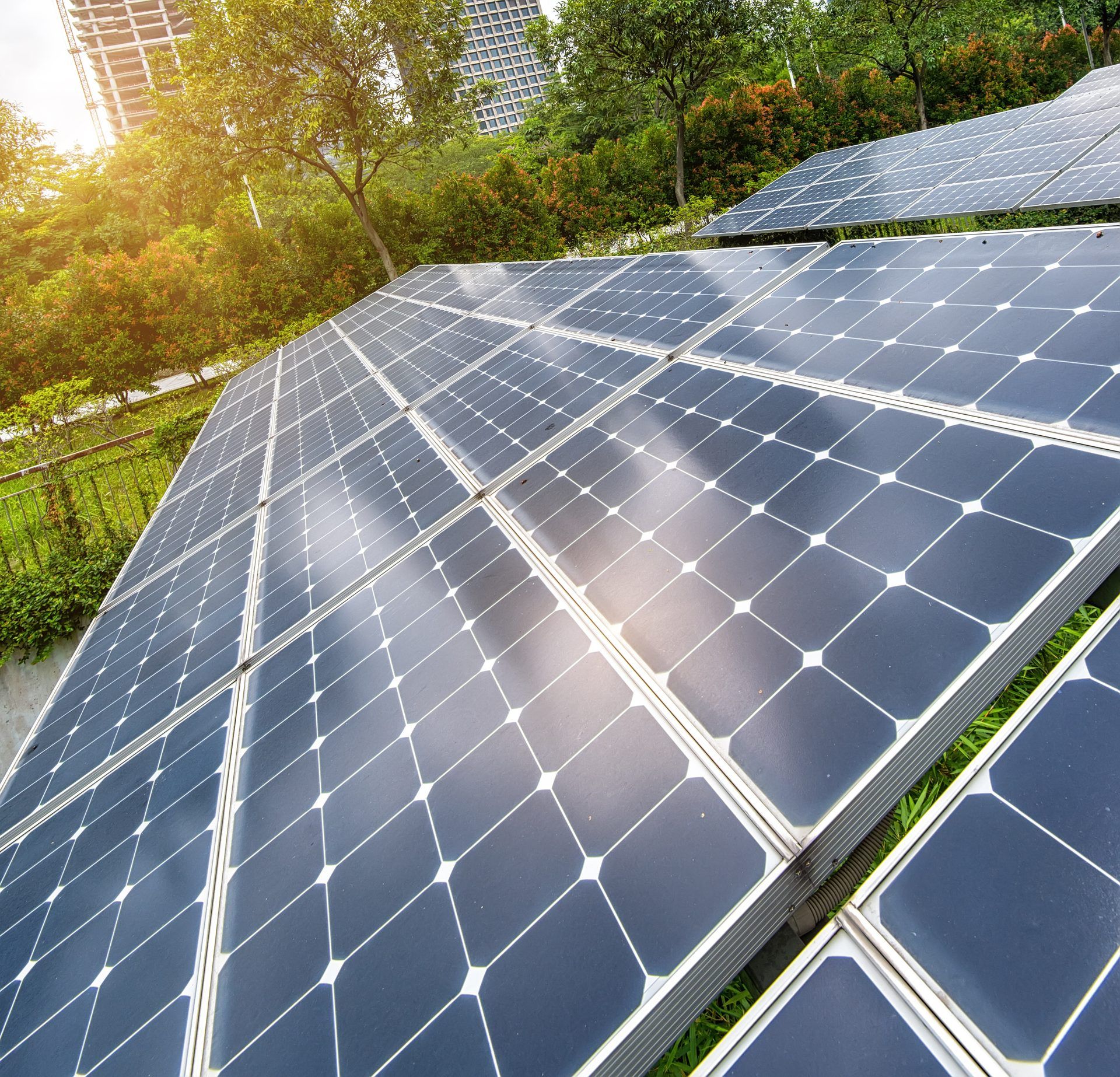
A single solar panel contains dozens of these cells wired together. String enough panels together and you've got a solar array, whether that's a handful of panels on a roof or thousands spread across a utility-scale solar farm.
What's the Difference Between Solar PV and Solar Thermal?
This trips a lot of people up, so it's worth being clear about. Solar PV converts sunlight directly into electricity. Solar thermal instead captures the sun's heat and uses it for things like heating water or, at a larger industrial scale, generating steam to drive a turbine.
They're both technically "solar power," but they work completely differently and get used for different purposes. Solar PV is by far the more common of the two, especially for anything involving straightforward electricity generation.
Where Is Solar PV Used?
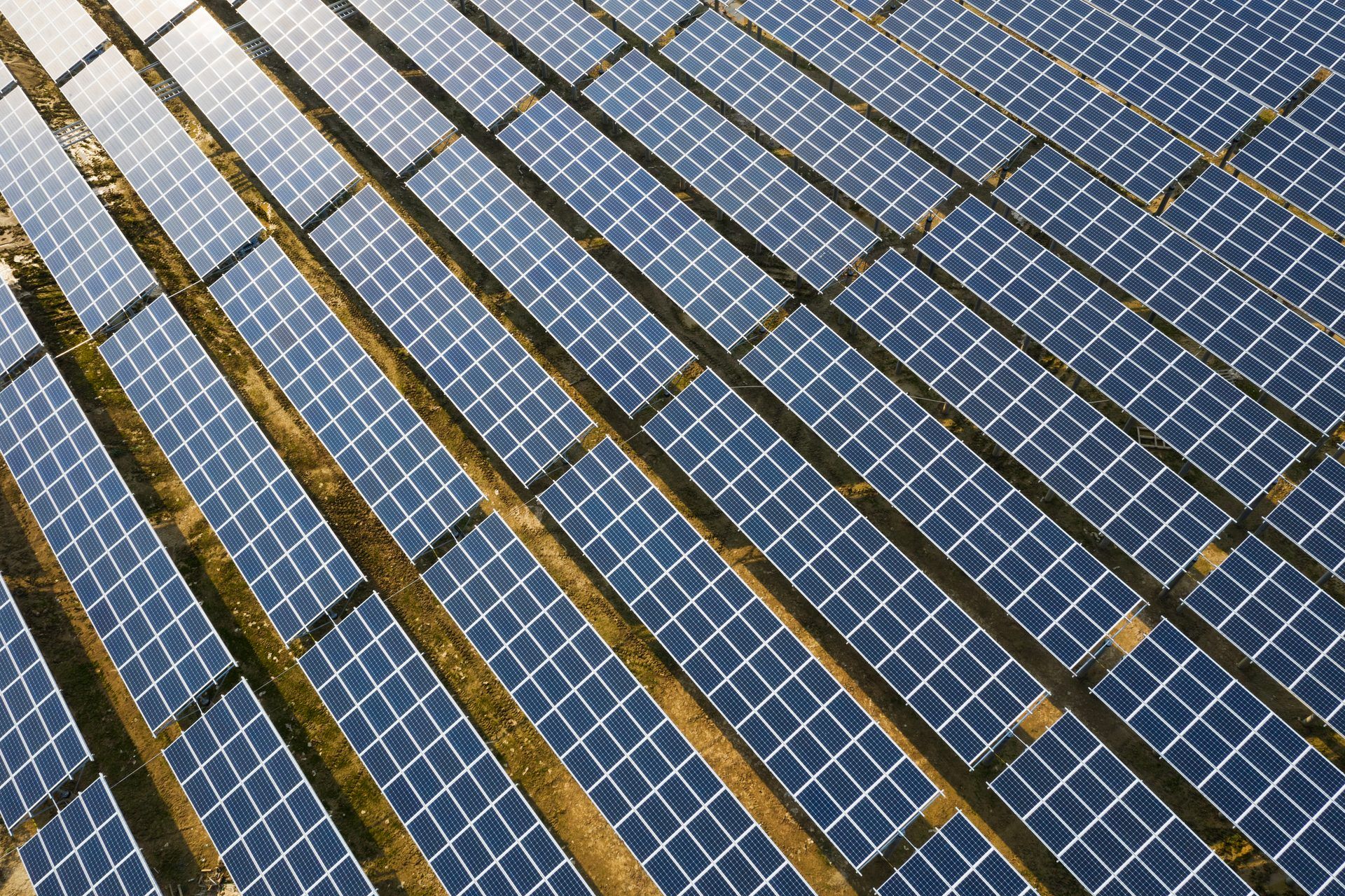
Pretty much everywhere solar power shows up at all. Rooftop residential systems, commercial and industrial installations, floating solar on reservoirs, and massive utility-scale solar farms all use the same underlying PV technology, just at wildly different scales.
Solar PV has also become dramatically cheaper and more efficient over the past couple of decades, which is a big part of why it's expanded so fast. Efficiency for commercially available panels now typically sits at 20 percent or higher, a huge jump from the roughly 6 percent efficiency of the earliest practical solar cells built in the 1950s.
Why Is Solar PV Growing So Fast in Africa Specifically?
The combination of strong, consistent sunlight across much of the continent and falling equipment costs has made solar PV one of the fastest expanding energy technologies in Africa right now. Recent industry analysis suggests the continent could add around 17 gigawatts of new solar PV capacity in 2026 alone, a level of growth that outpaces most other regions in the world, and a large share of that is happening through smaller, distributed PV systems rather than massive utility-scale projects alone.