
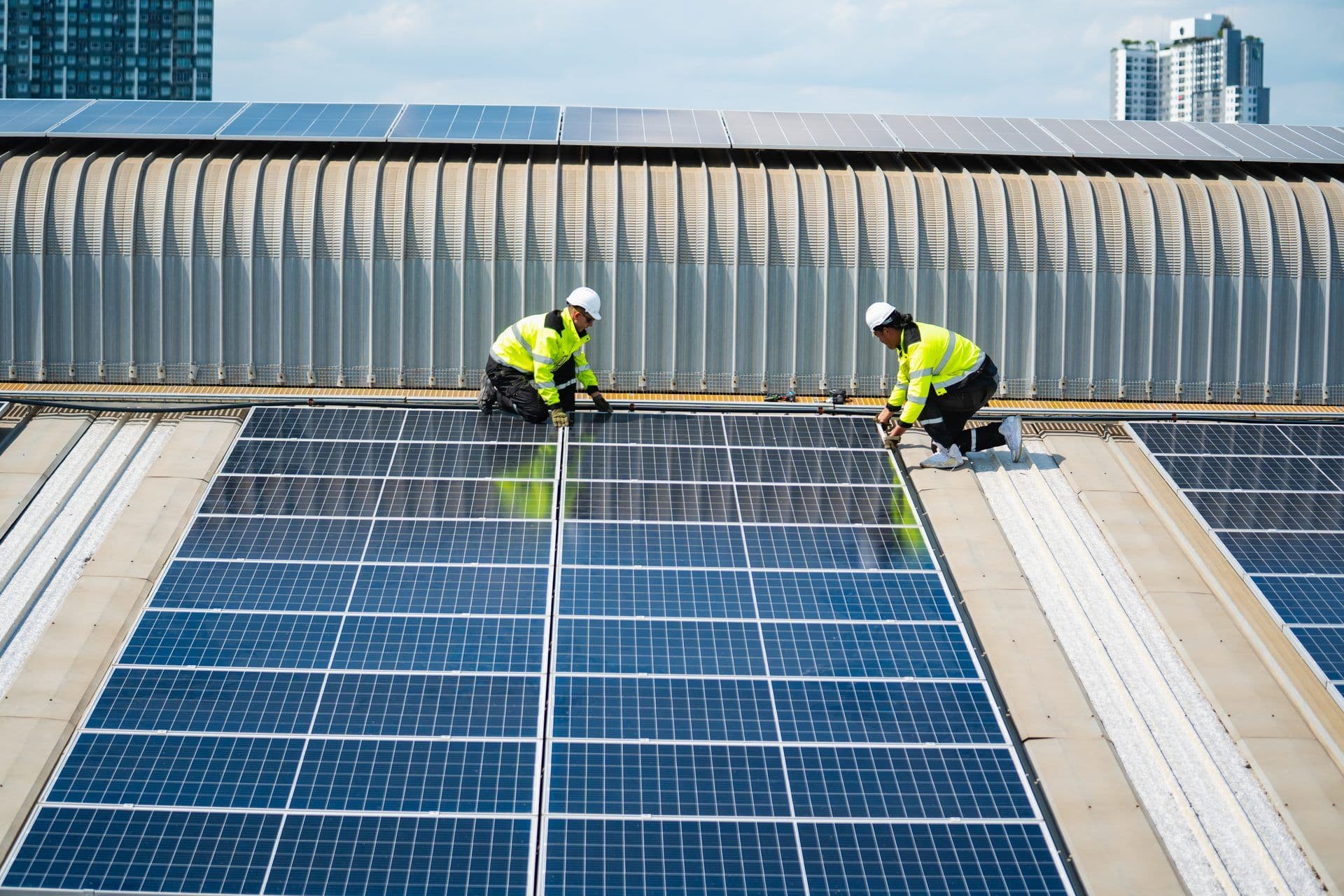
Rooftop solar is exactly what it sounds like. Solar panels installed directly on the roof of a home, office, factory, or any other building, generating electricity right where it's going to be used.
It's the most familiar form of solar power to most people, mainly because it's the one you can actually see driving past a neighborhood or an industrial park. But there's more happening behind that simple image than most people realize, especially in Africa right now.
How Does Rooftop Solar Work?
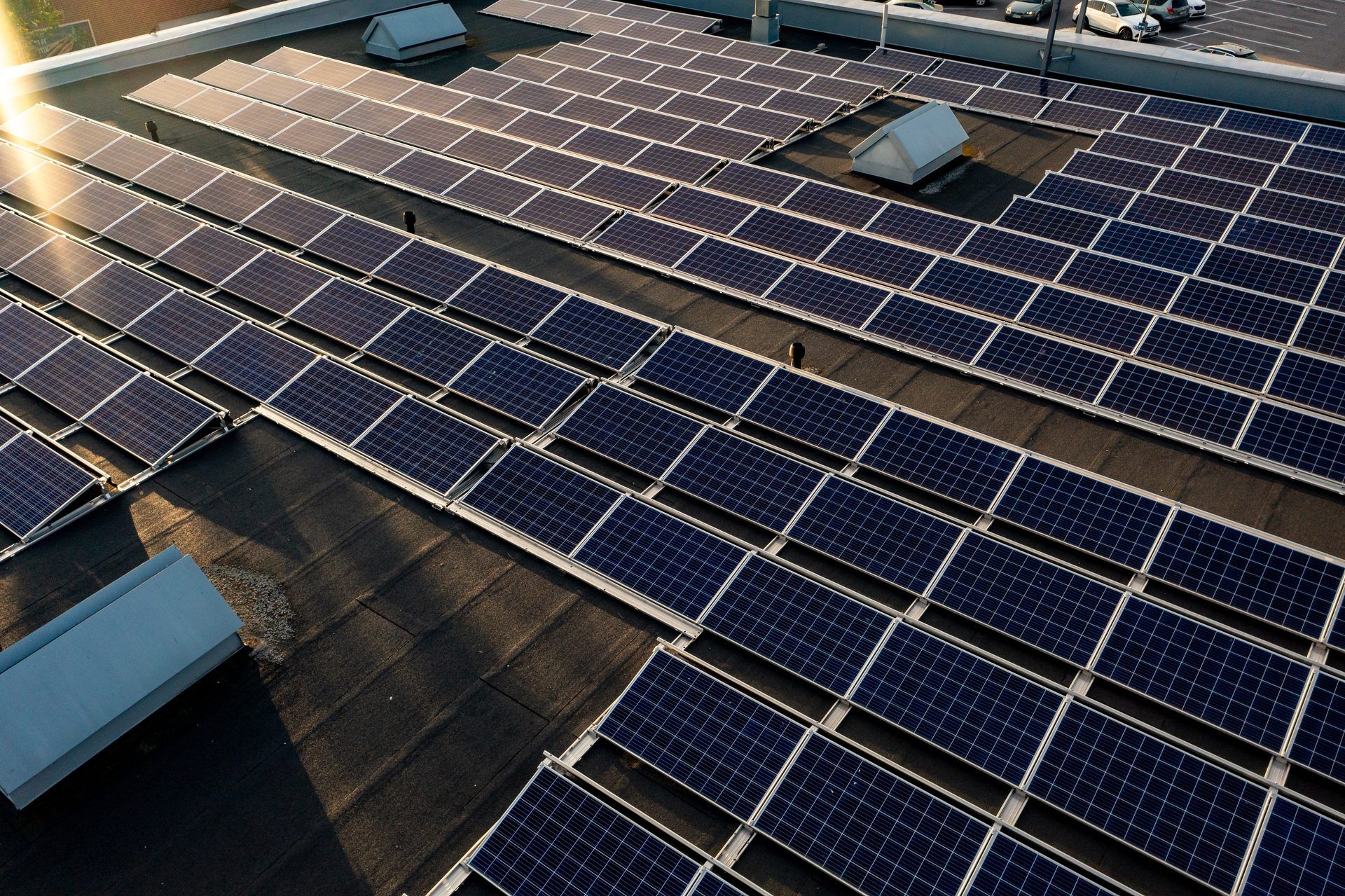
The panels capture sunlight and convert it into DC electricity, the same basic process behind any solar system. An inverter then converts that into AC electricity, the type your lights, appliances, and equipment actually use.
From there, a few things can happen depending on how the system is set up. The building uses what it needs directly. Any surplus can either charge a battery, if one's installed, or get exported to the grid, depending on local rules and whether the property has a net metering arrangement in place.
What makes rooftop solar different from a big utility-scale project isn't the technology, it's the scale and the location. It's built close to where the electricity gets consumed, rather than far away and transmitted over long distances.
Is Rooftop Solar Growing in Africa?
Faster than almost anyone expected, and faster than official statistics are actually able to track.
According to a 2026 analysis by the energy think tank Ember and the African Tech Futures Lab, Africa is expected to add around 17 gigawatts of new solar capacity in 2026 alone, a 45 percent jump from the year before. That's roughly equivalent to 100,000 solar panels being installed somewhere on the continent every single day. Around three-quarters of that growth is coming from small, distributed systems, meaning rooftop and commercial installations, that mostly don't show up in national reporting.
Separate research from the Africa Solar Industry Association backs this up. By tracking actual solar panel shipments from China rather than relying on official installation records, they estimate Africa's real installed solar capacity could be as high as 64 gigawatts, nearly three times higher than what standard databases show. Around 85 percent of that untracked capacity comes from commercial and industrial rooftop users looking for reliable, affordable power, with the remaining 15 percent from homes.
In other words, rooftop solar in Africa isn't a small side story anymore. It may actually be the biggest part of the continent's solar boom, just one that hasn't fully shown up in the official numbers yet.
Why Are So Many Businesses and Homes Going Rooftop?
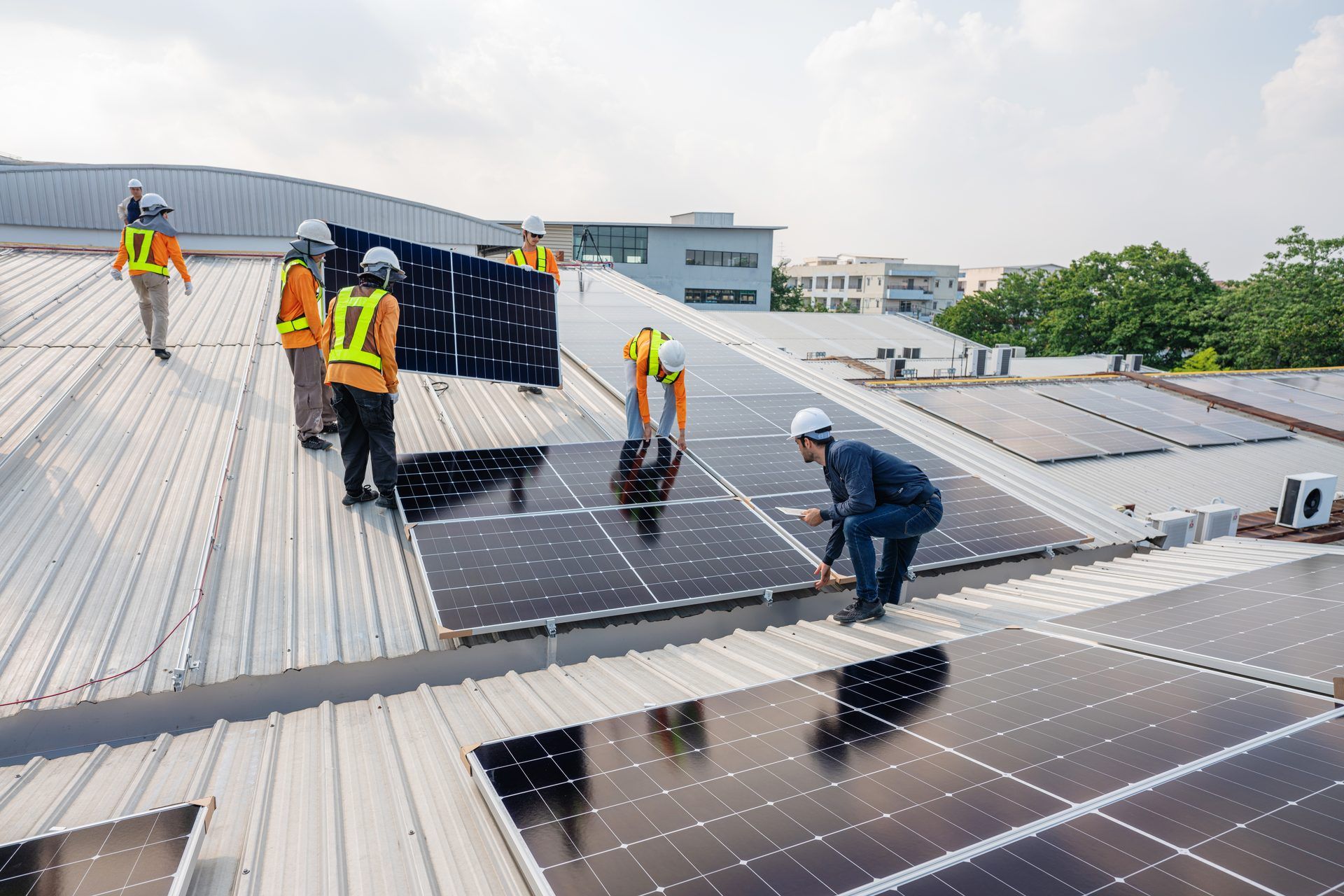
The pattern is pretty consistent across markets. Where grid electricity is unreliable or expensive, rooftop solar becomes an obvious way to take back some control, generate your own power, reduce dependence on an unpredictable grid, and often save money over time as equipment costs keep falling.
South Africa is a clear example. The years of load shedding pushed a wave of households and businesses toward rooftop solar as a practical necessity rather than a lifestyle choice. Even as the country's power crisis eased, that solar growth didn't slow down, suggesting the shift has become a lasting part of how people get electricity rather than a temporary emergency response.