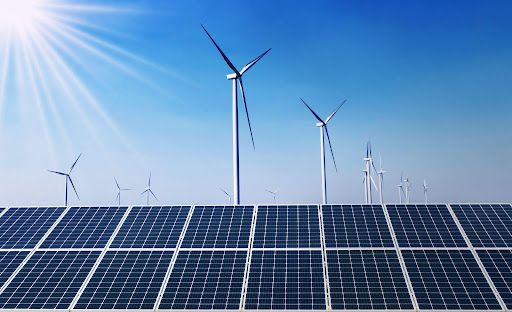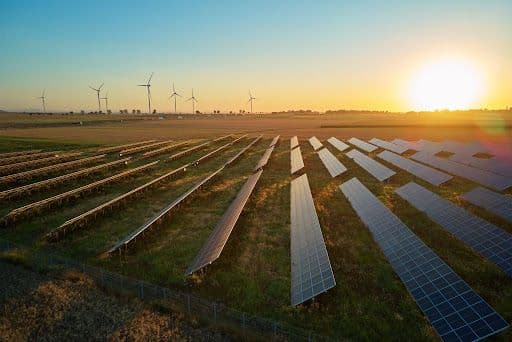
Every day, nature produces enormous amounts of energy. The sun sends light and heat to Earth, air moves across the planet and rivers carry water from one place to another. With the right technology, these natural processes can be turned into useful electricity and heat. This is the basic idea behind renewable energy.
The term refers to energy obtained from resources that are naturally restored over time. Instead of taking fuel from a limited underground reserve, renewable systems make use of resources that continue to occur as part of natural cycles.
It includes several different ways of producing useful energy.
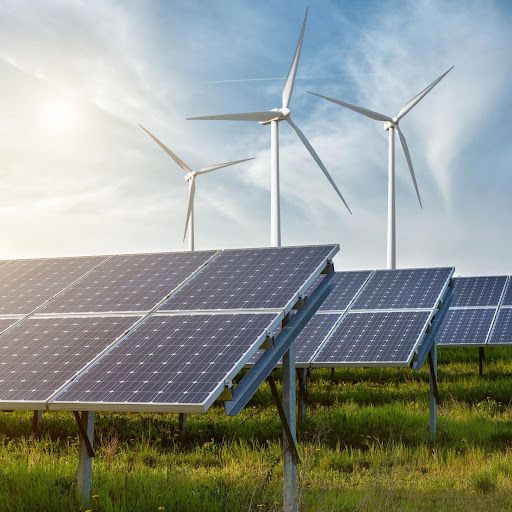
Solar power makes use of sunlight. Solar panels can convert sunlight directly into electricity, while other systems use it to produce heat.
Wind power takes advantage of moving air. Wind turbines spin when their blades are pushed by the wind, helping generate electricity.
Hydropower gets its energy from moving water. Depending on the system, water flowing through rivers or released from reservoirs can be used to drive turbines.
Geothermal power works with heat naturally stored below the Earth's surface. This underground heat can be used for heating or electricity generation.
Bioenergy uses biological material such as plant matter, wood and certain agricultural residues to produce useful energy.
These approaches make up a broad field of renewable energy technologies, with different systems suited to different locations and energy needs.
How is renewable energy different from clean or green energy?
While the terms are often used interchangeably, they describe different ideas. “Renewable” describes the source and whether it can be naturally replenished. “Clean energy” generally focuses on the amount of pollution or greenhouse gas emissions associated with producing energy. “Green energy” is commonly used for energy sources regarded as having a lower environmental impact.
Why is renewable energy important?
The world's demand for electricity continues to grow, making the way we produce that electricity increasingly important. Renewable energy gives countries another way to generate power while reducing their reliance on finite fossil fuel resources.
Its applications range from large solar and wind installations supplying electricity to national grids to smaller systems providing power in remote locations. As technology improves, renewable energy is becoming an increasingly significant part of the global energy mix.