
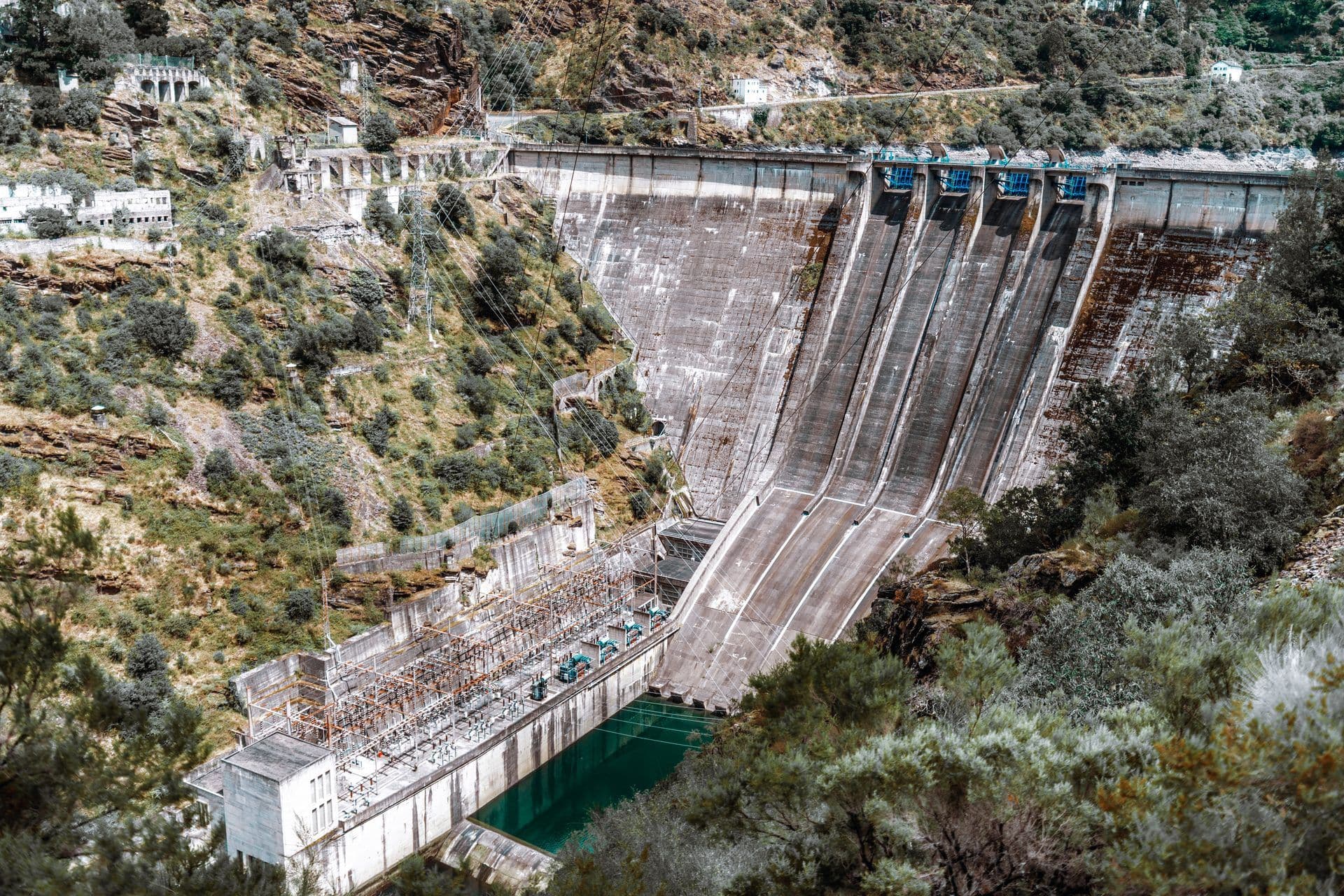
Pumped hydro storage is one of the oldest and most widely used ways to store electricity at a large scale, and it doesn't use batteries at all. Instead, it uses water, gravity, and two reservoirs positioned at different heights.
Think of it as a giant mechanical battery. Instead of storing energy chemically, like a lithium-ion battery does, pumped hydro stores energy as the physical position of water, held up high, ready to fall.
How Does Pumped Hydro Storage Actually Work?
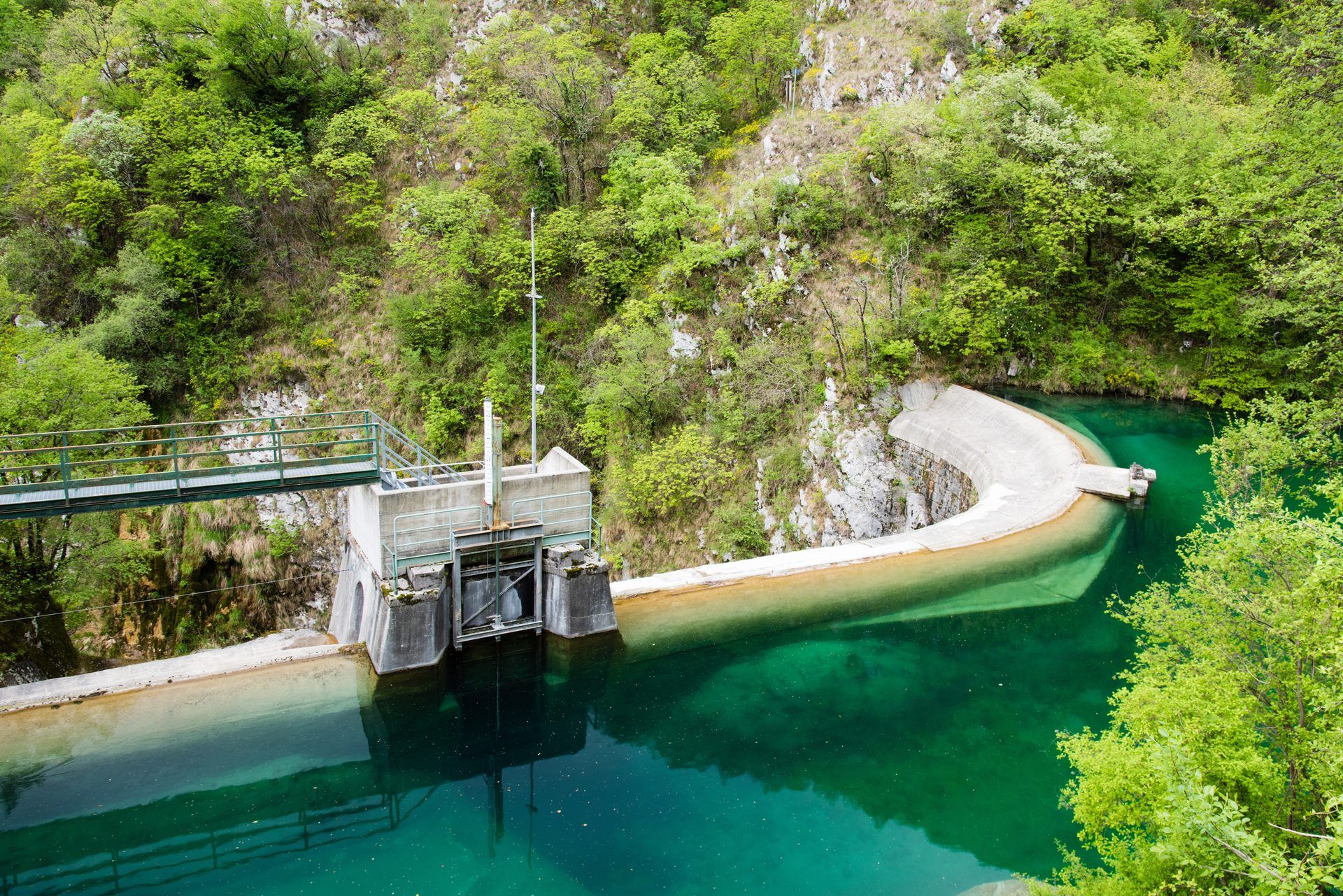
The system uses two reservoirs, one positioned higher than the other, connected by tunnels and turbines.
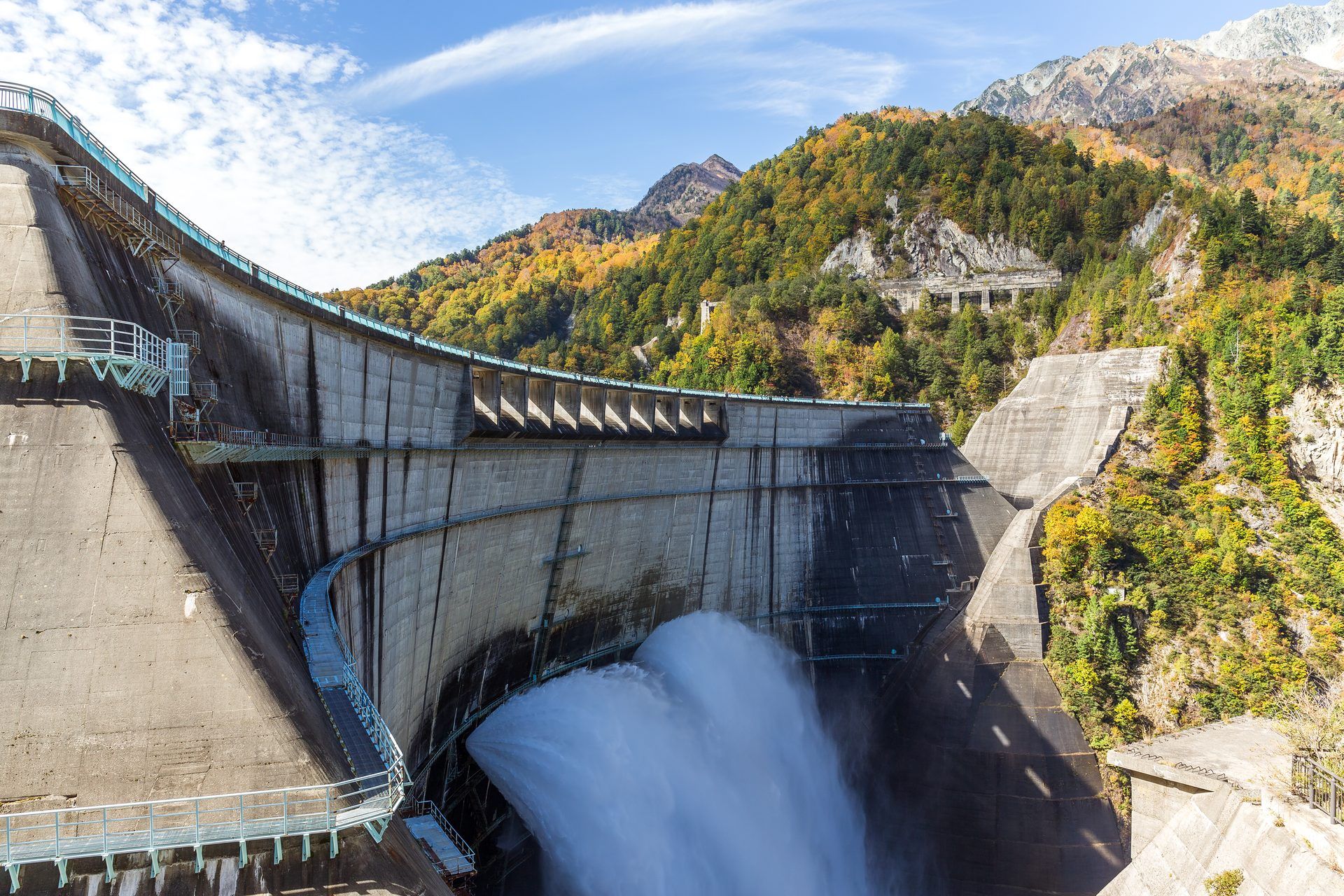
When electricity is available and demand is low, the system pumps water from the lower reservoir up to the higher one, essentially storing energy by lifting that water against gravity. When electricity is needed later, the water is released back down through turbines, and as it flows downhill, it spins those turbines to generate electricity, the same basic principle behind a traditional hydropower dam.
This entire process can be repeated over and over, charging during low demand periods and discharging during high demand ones.
Why Does Pumped Hydro Storage Matter?
It solves the same fundamental problem battery storage solves: electricity supply and demand don't always line up. But pumped hydro does it at a scale and duration that most battery technology still can't match economically. Many pumped hydro facilities can discharge steadily for many hours at a stretch, which makes them particularly valuable for handling longer gaps between when renewable energy is generated and when it's actually needed.
South Africa's Ingula pumped storage scheme is a strong real-world example. It has a total generating capacity of over 1,300 megawatts, built using an upper and lower reservoir connected through underground tunnels, and can discharge continuously for around 16 hours before needing to recharge by pumping water back uphill. It remains one of the largest pumped storage facilities on the African continent.
Is Pumped Hydro Growing in Africa?
There's real momentum building, though the continent still has a long way to go. According to a 2026 report from the International Hydropower Association, no new pumped storage capacity was actually commissioned in Africa during 2025, even as the continent added around 4.5 gigawatts of new solar capacity that same year, a gap the report specifically flagged as a growing concern, since more solar and wind generally means a stronger need for exactly this kind of long-duration storage to keep the grid balanced.
That said, new projects are moving forward. South Africa's state utility Eskom has been advancing the 1,500 megawatt Tubatse Pumped Hydro Storage project, which would become the fifth grid-connected pumped storage scheme in South Africa and the sixth across the entire African continent, supported in part by financing from the French development finance institution AFD.
How Does Pumped Hydro Compare to Battery Storage?
They're not really competitors so much as tools suited for different jobs. Batteries tend to be faster to deploy, more flexible in size, and better suited to shorter bursts of storage, responding to sudden changes in supply or demand within minutes. Pumped hydro requires very specific geography, a location with the right elevation change and water availability, and takes years to build, but once built, it can typically store and release far larger amounts of electricity for much longer stretches of time.
As more solar and wind get added to grids across Africa and the rest of the world, both technologies are likely to keep playing complementary roles, batteries handling the short-term balancing act, and pumped hydro handling the longer, heavier lifting.