
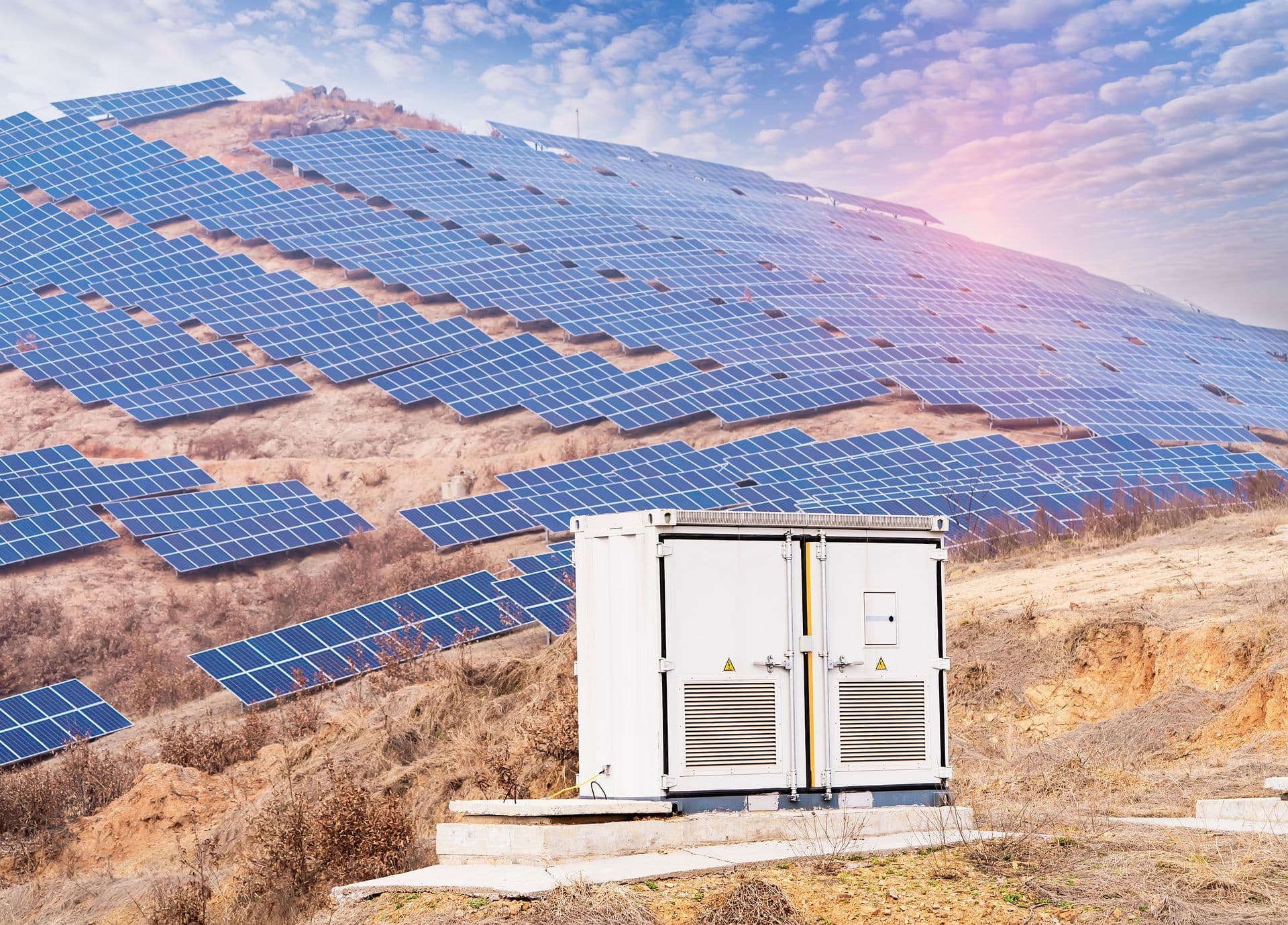
Most people assume electricity has to come from a big national grid, wires running from a power plant somewhere far away straight into your home. But that's not the only way to get power.
Off-grid energy means generating and managing electricity on your own, without a direct connection to that main grid. It can power a single home, a business, a whole community, or a facility like a clinic or school, completely independently.
This matters most in places where connecting to a national grid just isn't practical. Maybe the community is too remote. Maybe running new power lines would cost more than the project could ever justify. Off-grid energy skips that problem entirely.
How Does an Off-Grid Solar System Work?
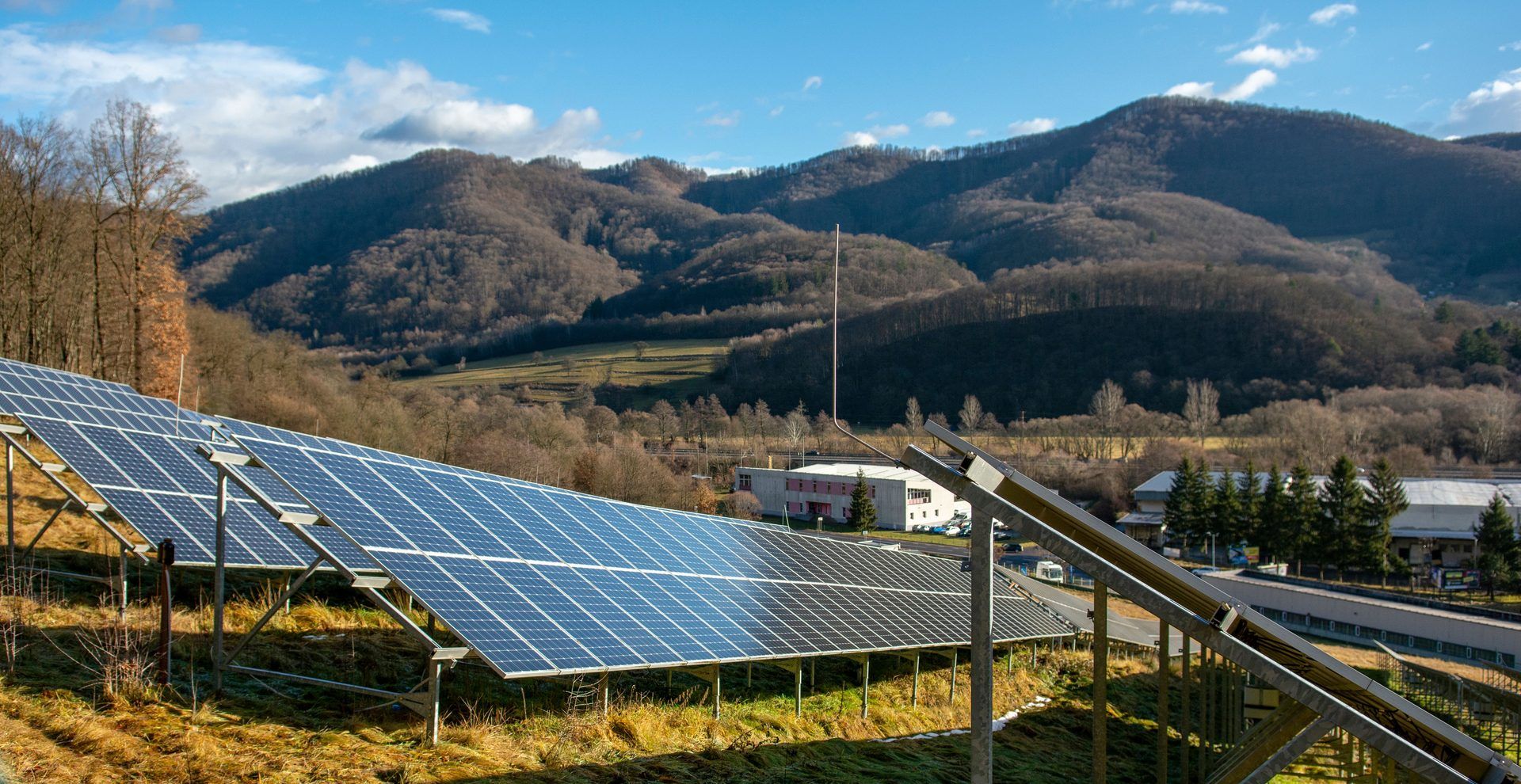
Most off-grid solar systems follow the same basic setup: solar panels, batteries, and some supporting electrical equipment working together.
During the day, the panels do the work of generating electricity. Some of that power gets used right away, running lights, appliances, whatever is plugged in at the time. Whatever isn't used immediately goes toward charging the batteries instead of going to waste.
Once the sun goes down, or when production drops for any reason, the system switches over and pulls from the batteries instead. That stored power is what keeps things running overnight or during a stretch of bad weather.
An inverter usually sits in the middle of all this too. Its job is converting the electricity into the form your appliances and equipment actually need to run.
What Happens When There's Not Enough Sunlight?
This is really a planning question more than a technical one.
Every off-grid system has to be sized around two things: how much electricity the site actually needs, and how much sunlight it can realistically expect to get. Get either of those wrong and the system either falls short or costs way more than it needed to.
Some systems add a backup generator or a second power source on top of solar and batteries. That backup kicks in on the rare occasions when solar generation and battery storage together still aren't enough to cover demand. Think of it as an insurance policy for the system, not something it should need to lean on constantly if it's sized correctly in the first place.
Why Does Off-Grid Energy Matter, Especially in Africa?
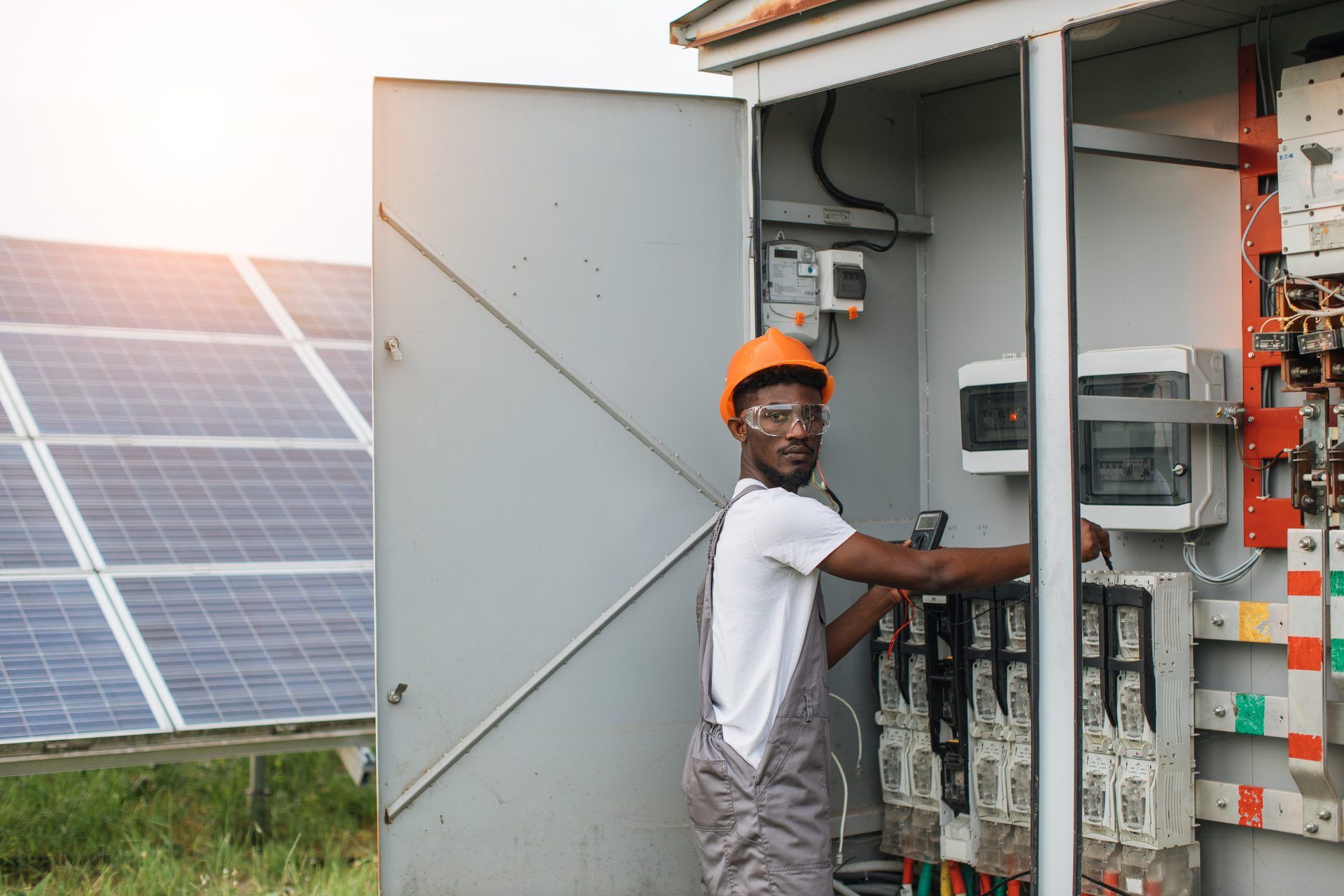
Off-grid systems can bring real electricity access to places a national grid may never reach, and the difference that makes is hard to overstate. Lighting, refrigeration, phone and internet access, clean water pumping, running a business after dark, keeping a health clinic operational, all of it depends on having power available.
Africa is where this story has played out most dramatically. According to the World Bank, mini-grids, which are essentially small, localized off-grid or semi-independent power networks, could bring electricity to as many as 380 million Africans by 2030. That's not a small pilot program. That's a genuinely massive shift in how electricity access gets built out.
Companies have grown fast around this need too. M-KOPA started out in East Africa selling pay-as-you-go solar home systems, letting customers pay a small deposit and then a small daily fee through their phone instead of needing to afford a whole solar setup upfront. That pay-as-you-go model made solar power realistic for households who'd never had reliable electricity access before, and it became the foundation the company later built into a much larger business across several African countries.
The bigger picture is this. Hundreds of millions of people across Africa still live without a grid connection. Off-grid solar isn't a backup plan for them. For a lot of communities, it's genuinely the fastest and most realistic path to getting electricity at all.
The right system for any given location still comes down to local conditions, actual electricity demand, what resources are available on site, and what the installation and ongoing running costs look like.