
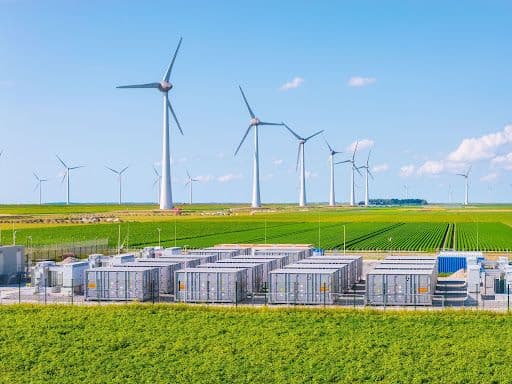
Electricity has to be available when people need it, but renewable sources do not always produce power at the same time as demand. Solar generation, for example, drops after sunset, while wind output can change throughout the day. Long-duration energy storage is one approach to managing this timing gap.
The term generally describes energy storage systems designed to hold electricity for longer periods than conventional short-duration batteries. Depending on the technology and application, stored energy may be available for many hours or, in some cases, much longer.
Why does long-duration storage matter?
Imagine a solar plant producing more electricity in the afternoon than the grid immediately needs. Instead of allowing that surplus to go unused, an energy storage system can capture it and release the energy later when demand increases.
This becomes particularly useful when electricity needs to remain available through periods of low renewable generation. Longer storage durations can help power systems manage extended gaps rather than only short fluctuations.
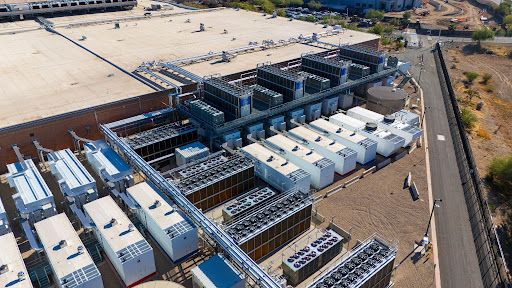
What technologies can provide long-duration storage?
Lithium-ion batteries are widely used for energy storage, but they are not the only option. Different energy storage technologies can be suited to longer periods of storage.
Examples include pumped-storage hydropower, flow batteries, compressed-air energy storage and thermal storage. Some technologies store electricity directly, while others convert energy into another form and later convert it back into usable power.
The right option depends on factors such as storage duration, location, cost, efficiency and the requirements of the electricity system.
How does it support the grid?
Grid storage can help balance electricity supply and demand. Long-duration systems can provide power during extended periods when generation from solar, wind or other variable sources is lower than required.
As electricity systems add more renewable generation, the ability to shift energy across longer periods becomes increasingly valuable. Long-duration storage is therefore emerging as an important part of the broader energy storage technology landscape.