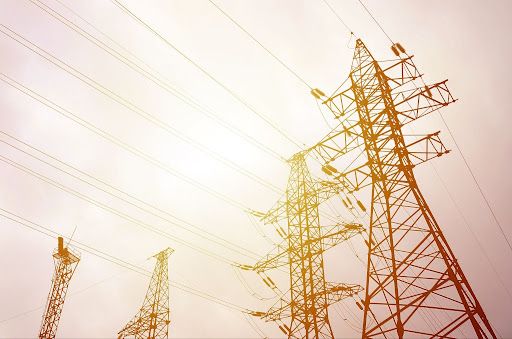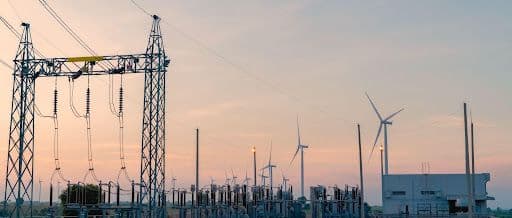
Electricity grids were built to deliver power from large power plants to homes and businesses. Our electricity needs are changing, and so is the way we produce power. Solar panels, wind farms, batteries, electric vehicles and other technologies are becoming more common. As the energy system evolves, the electricity grid needs to keep up. This process is known as grid modernization.
Grid modernization means improving the electricity network so it can handle new technologies, changing electricity demand and different sources of power. It can involve upgrading old equipment, adding digital tools and improving the way electricity is monitored and managed.
What does grid modernization involve?
A modern electricity grid needs to do more than simply move electricity. It must also manage power coming from many different sources.
For example, a home with rooftop solar may produce electricity during the day and send extra power back to the grid. A battery may store electricity and release it later. The grid needs to be able to manage these changes while continuing to supply power to customers.
Modernization can include stronger transmission and distribution lines, upgraded substations, sensors, automated controls and smart meters. These technologies can help utilities see what is happening across the network and respond to problems more quickly.
What is a smart grid?
A smart grid is an electricity network that uses digital technology to monitor and manage power more effectively. Sensors and communication systems can provide information about electricity use, equipment and network conditions.
This can make it easier to manage renewable energy and other smaller power sources connected to the grid.
Why is grid modernization important?
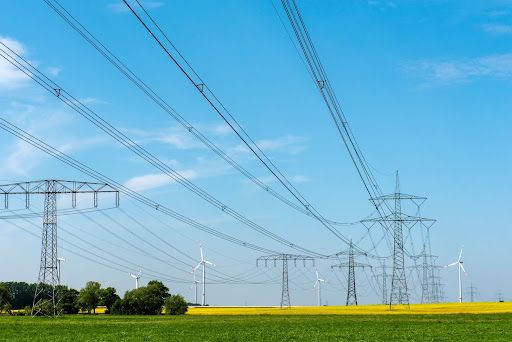
As electricity demand grows and more renewable energy is connected to power networks, grids need to become more flexible. Modern power grid infrastructure can help manage these changes while supporting reliable electricity supply.
Grid modernization is happening in many parts of the world, including Africa, where countries are working to expand and improve electricity networks. The exact needs differ from one place to another, but the goal is similar: build an electricity system that can meet today's needs and adapt to future ones.