
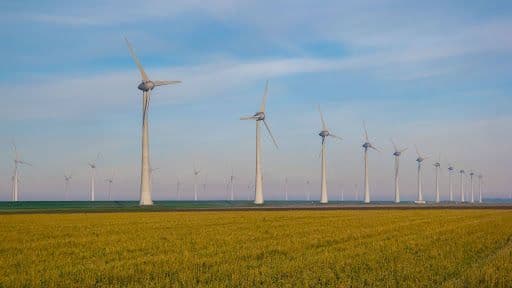
Hydrogen is often described as a fuel of the future, but not all hydrogen is produced in the same way. The key difference is the source of energy used to make it. Green hydrogen is hydrogen produced using renewable electricity, making it an important area of interest in the transition toward lower-carbon energy systems.
So, what does green hydrogen actually refer to? It describes hydrogen made by splitting water into hydrogen and oxygen using electricity generated from renewable sources, such as solar or wind power.
How is green hydrogen produced?
The process is known as electrolysis. Using electricity, an electrolyser separates water into hydrogen and oxygen.
When the electricity powering the electrolyser comes from renewable sources, the resulting hydrogen is generally referred to as green hydrogen or renewable hydrogen.
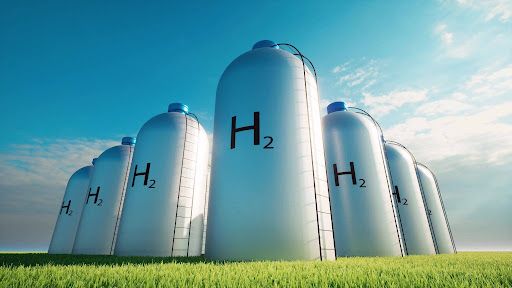
The hydrogen can then be stored, transported or used in different applications. This could include industrial processes, certain forms of transport, power generation and other areas where hydrogen can replace or complement conventional fuels.
Why is green hydrogen considered important?
One of the biggest areas of interest in green hydrogen energy is its potential role in sectors that can be difficult to electrify directly.
For example, some industrial processes require very high temperatures or use hydrogen as part of the production process. In such cases, hydrogen produced using renewable electricity could provide another pathway for reducing reliance on fossil fuels.
However, green hydrogen is not a simple replacement for every energy source. Producing it requires electricity, water and specialised equipment, and transporting and storing hydrogen also present technical challenges.
What is the future of green hydrogen?
Countries and companies around the world are exploring green hydrogen production through pilot projects and larger developments. Africa has also attracted growing interest because several regions have strong solar and wind resources that could support renewable hydrogen production.
The potential of green hydrogen Africa projects will depend on factors such as renewable power availability, infrastructure, water resources, investment, technology and access to markets.
As these projects develop, green hydrogen could become another part of the wider energy system rather than a replacement for every existing energy technology.