
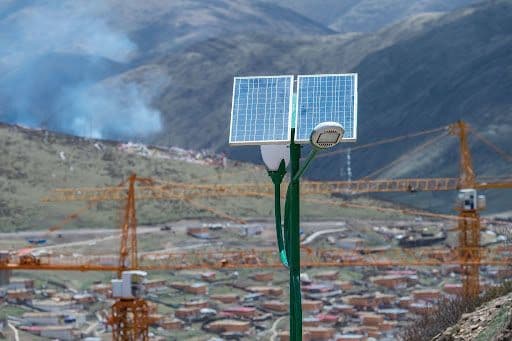
Being connected to an electricity line does not always mean having dependable power. A community may have an electricity connection but still experience frequent outages, limited supply or prices that make energy difficult to afford. This is why energy access is about more than simply having a power connection.
In general, energy access means having reliable, affordable and suitable energy services for everyday needs. These can include electricity for lighting, communication, education and businesses, as well as energy for cooking, heating and other essential activities.
What does electricity access mean?
Electricity access refers to people's ability to obtain and use electrical power. It can come through a national grid, a local mini-grid or standalone systems such as solar home systems.
However, access can vary greatly. One household may have a grid connection with a relatively stable supply, while another may have electricity available for only a few hours a day.
What is energy poverty?
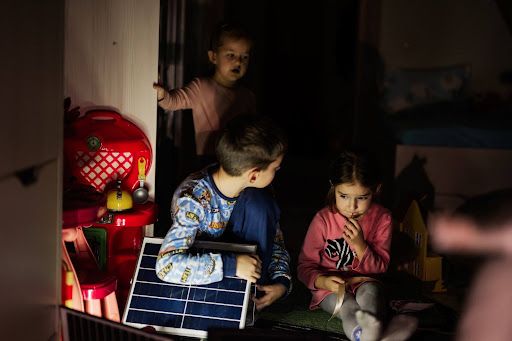
Energy poverty occurs when people do not have sufficient access to the energy services they need for a decent standard of living. The problem can involve availability, reliability, affordability or the quality of the energy service.
It can affect education, healthcare, communication and economic activity. For example, an unreliable electricity supply can make it difficult for a small business to operate equipment or for a health facility to depend on essential electrical services.
How Energy Access Can Support Africa’s Growth
The issue of energy access in Africa is particularly significant because many communities across the continent still face challenges with electricity availability, reliability and affordability. Improving electricity access in Africa can support households, businesses, schools and healthcare facilities while creating opportunities for economic development.
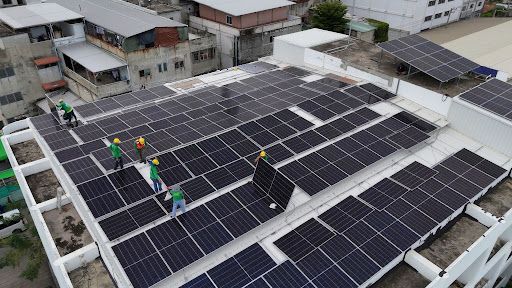
Renewable technologies can also play a role. Solar mini-grids, standalone solar systems and other solutions can provide clean energy access in locations where extending traditional grid infrastructure may be difficult.
What does universal energy access mean?
Universal energy access means ensuring that everyone can obtain the energy services they need, regardless of where they live or their economic circumstances.
Achieving it requires more than building power plants. It also involves developing grids and other infrastructure, keeping energy affordable, improving reliability and choosing solutions that work for local communities.
For millions of people, better energy access can mean more than simply switching on a light it can create opportunities to learn, work, communicate and build stronger communities.