
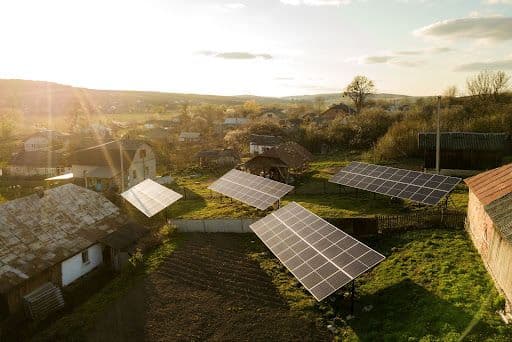
Solar electricity does not always have to come from a massive solar farm located far away from the people using it. Panels can also be installed close to where electricity is needed, such as on homes, offices, factories, schools and other buildings. This approach is known as distributed solar energy.
Unlike large power plants that typically send electricity across long-distance transmission networks, distributed solar systems generate power closer to the point where it will be consumed. This is why they are also associated with decentralized solar and distributed energy systems.
How does distributed solar work?
A distributed solar system usually consists of solar panels installed on or near a building. The panels produce electricity during daylight hours, which can be used directly by the property.
If the system generates more electricity than is needed at that moment, the surplus may be stored in batteries or, where regulations allow, exported to the electricity grid.
Rooftop solar is one of the most familiar examples. A household can install panels on its roof and use the electricity generated there instead of receiving all of its power from a distant generating station.
How does distributed solar fit into the wider energy system?
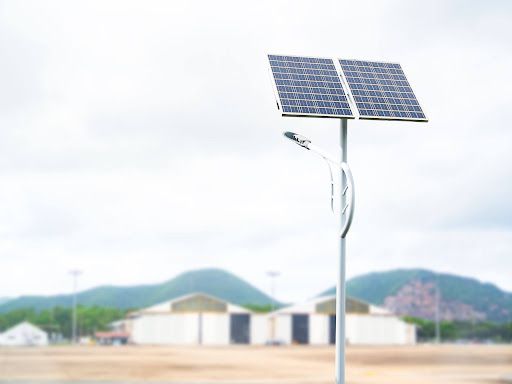
Distributed solar is one type of distributed energy resource. Other examples can include battery storage, small wind systems and other smaller-scale technologies connected close to electricity users.
Having generation spread across many locations can change how electricity systems operate. Instead of relying entirely on a few large power plants, a grid can also draw power from numerous smaller installations.
Why is distributed solar important?
Distributed solar power can give households, businesses and other electricity users another way to generate some of their own power. It can also reduce the distance between electricity generation and consumption.
As solar technology becomes more widely adopted, distributed systems are becoming an increasingly visible part of electricity networks around the world.