
A factory running machines all day, a hotel powering dozens of rooms or a warehouse keeping its operations running all have one thing in common: they can consume a lot of electricity. C&I solar allows businesses to generate a portion of their power directly at their own facilities.
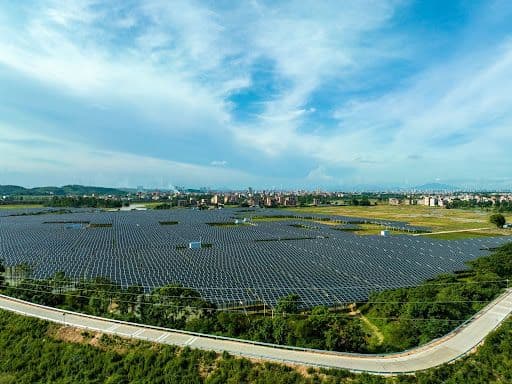
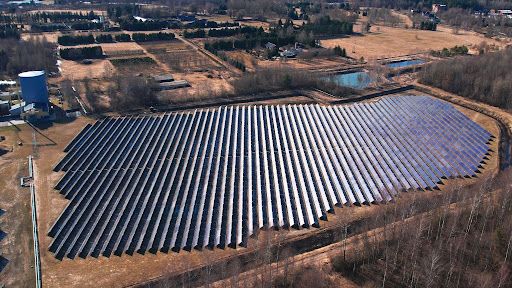
C&I stands for commercial and industrial. The term covers solar installations designed for businesses and larger organisations rather than individual households. Depending on the site, a system might sit across a factory roof, cover a warehouse or be installed on available land beside a commercial facility.
What happens in a C&I solar system?
Solar panels convert sunlight into electricity during the day. That electricity can be used by the business while its operations are running. A suitable system may also include batteries, allowing some generated power to be kept for use later.
The size of the installation is usually determined by the business's electricity consumption, the space available for panels and the amount of sunlight the site receives.
Why are businesses turning to solar?
For many companies, electricity is an ongoing business expense rather than a one-time cost. Generating power on-site can help a business manage part of that expense while making greater use of renewable energy.
The opportunity can be particularly significant for industrial facilities with heavy electricity requirements. Industrial solar power can support operations ranging from manufacturing and food processing to cold storage and other energy-intensive activities.
What about C&I solar in Africa?
Across Africa, businesses are exploring commercial solar projects as an alternative or supplement to conventional electricity supply. This model is gaining attention from businesses looking to reduce power expenses, strengthen energy reliability and plan their electricity use more effectively.
Rather than being limited to one type of business, C&I solar can be adapted to many different commercial and industrial settings. Its role is likely to grow as more businesses look for practical ways to control energy costs and increase their use of renewable power.