
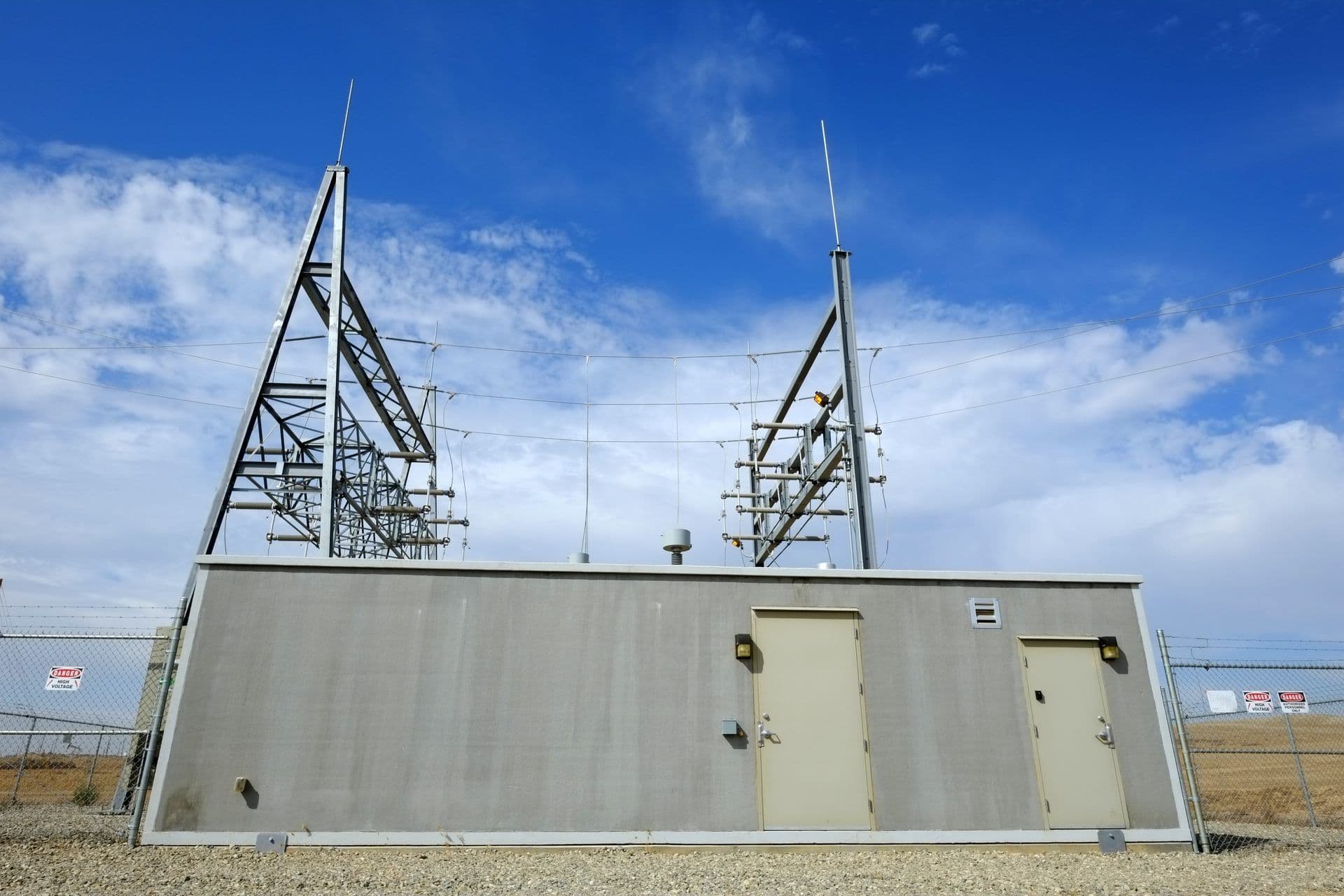
Battery energy storage shows up in a lot more places than most people realize. It's easy to picture a single battery sitting quietly next to a solar panel, but that's really just the smallest version of a technology now being deployed at every scale, from a single household up to entire national grids.
Here's a real look at what these systems actually get used for.
Backup Power for Homes and Businesses
This is probably the most familiar use case. A battery paired with rooftop solar, or even connected straight to the grid, can keep essential things running during a power cut, lights, refrigeration, medical equipment, communication devices.
For businesses, this matters even more. A short outage can mean lost sales, spoiled inventory, or interrupted operations. Storage acts as a buffer, smoothing over the gap until grid power returns or a generator kicks in.
Making the Most of Solar and Wind Generation
Solar and wind don't produce electricity on a fixed, predictable schedule. Solar peaks at midday, wind can pick up at almost any hour depending on weather. Meanwhile, electricity demand often peaks in the evening, when solar output is already dropping.
Battery storage bridges that gap. Instead of a renewable project sending every unit of electricity straight to the grid the moment it's generated, some of it gets stored and released later, when it's actually needed. This lets solar and wind projects contribute more usefully to the grid rather than producing a lot of power at times nobody particularly needs it.
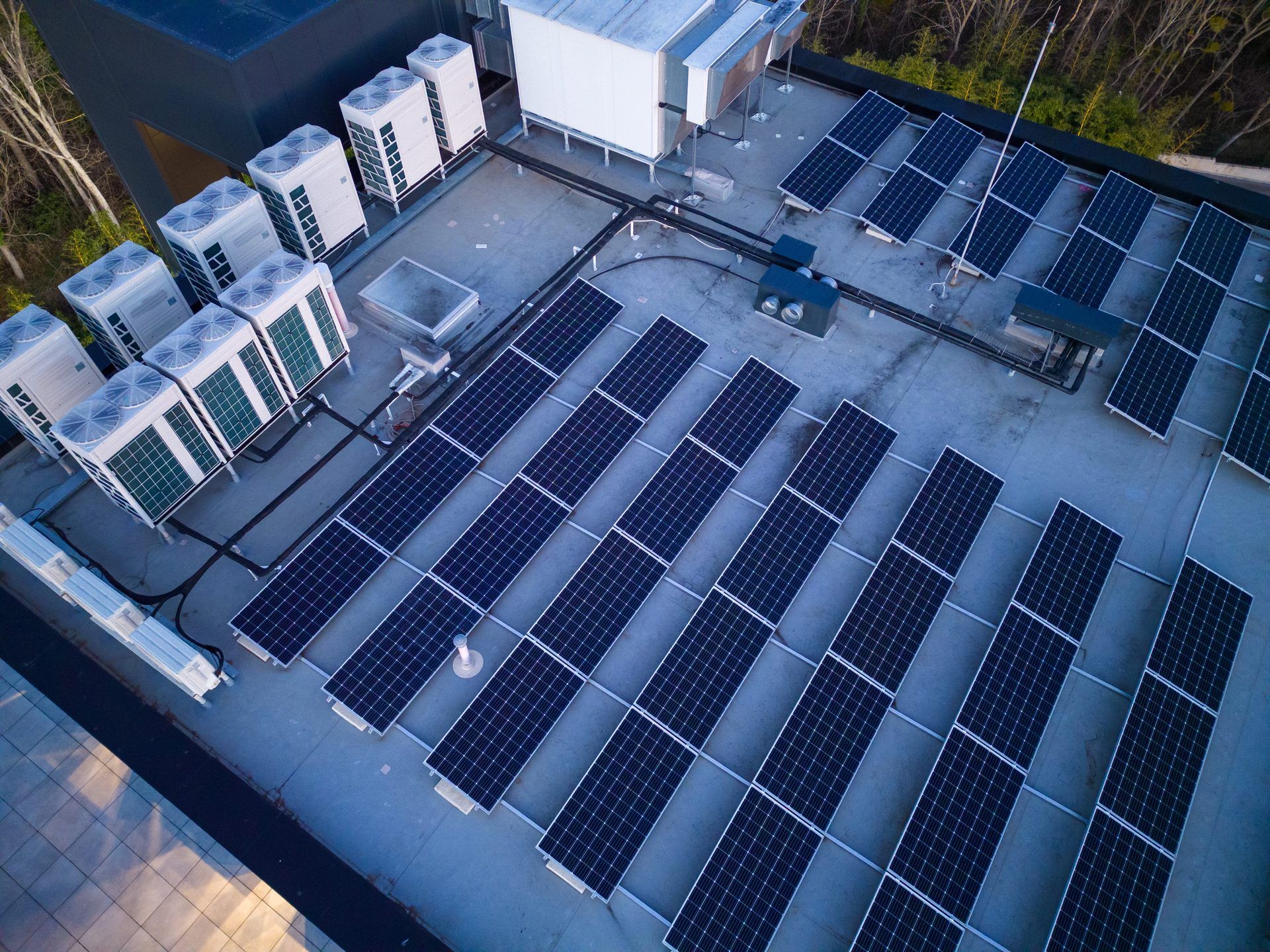
Grid Stability and Frequency Regulation
Electricity grids need supply and demand to stay in near-constant balance, second by second, not just hour by hour. Any imbalance can cause frequency fluctuations that, left unmanaged, threaten the stability of the whole system.
Large battery systems are exceptionally good at responding to this kind of rapid change, often within fractions of a second, far faster than most traditional power plants can adjust their output. This makes battery storage a valuable tool for grid operators managing frequency and short-term stability, quietly working in the background to keep the system steady.
Peak Shaving and Managing Electricity Costs
Many commercial and industrial electricity customers pay significantly more for power during peak demand periods. A battery system can be charged during cheaper, lower-demand hours and discharged during expensive peak periods instead, reducing how much a business actually pays for electricity over time. This use case, often called peak shaving, has become one of the more financially compelling reasons businesses adopt storage even outside of markets with heavy renewable energy penetration.
Supporting Renewable Energy Projects Directly
Increasingly, battery storage gets built right alongside solar and wind projects rather than added on separately later. These combined projects, sometimes called solar-plus-storage or hybrid renewable projects, let a developer store surplus electricity generated during high production periods and release it during a different part of the day, effectively reshaping when a renewable project's electricity actually reaches the grid.
Africa has real examples of this happening at serious scale. In Egypt, a recent agreement paired 1.95 gigawatts of solar power with 3.9 gigawatt hours of battery storage, the largest combined solar and storage project on the continent. In South Africa, the government has procured roughly 1,744 megawatts and nearly 7,000 megawatt hours of grid-scale battery storage through its national procurement program, much of it specifically designed to work alongside renewable generation and improve overall grid reliability.
Reducing Reliance on Diesel Generators
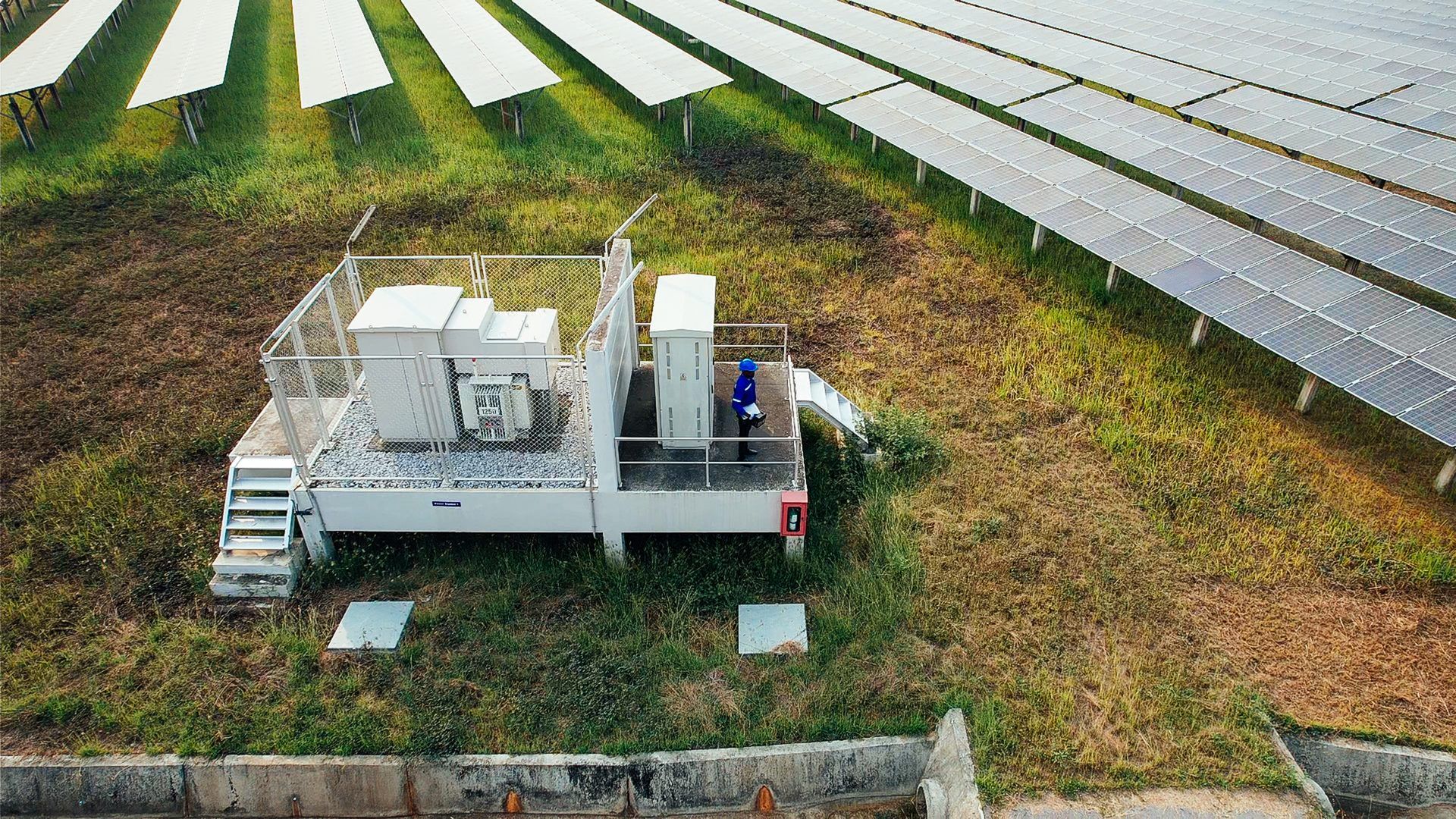
In parts of Africa and other regions where grid electricity is unreliable, diesel generators have long been the fallback option for backup power, despite being expensive to run and polluting. Battery storage, especially when paired with solar, offers a cleaner and often cheaper alternative for exactly the same job, providing power during outages without the ongoing fuel costs and maintenance that generators require.
Supporting Electric Vehicle Charging Infrastructure
As electric vehicle adoption grows, battery storage is increasingly used to support charging stations too, particularly in locations where the local grid connection isn't strong enough to handle sudden high-power charging demand on its own. Storage can smooth that demand out, drawing power steadily over time and releasing it quickly when a vehicle needs to charge.
Why This Range of Applications Matters
What makes battery storage genuinely important right now isn't any single use case on its own. It's the fact that the same core technology can be deployed for so many different jobs, home backup, grid stability, cost management, renewable energy support, all using fundamentally similar equipment scaled up or down as needed. That flexibility is a big part of why battery storage has moved so quickly from a niche technology to one of the fastest-growing parts of the entire energy sector.