
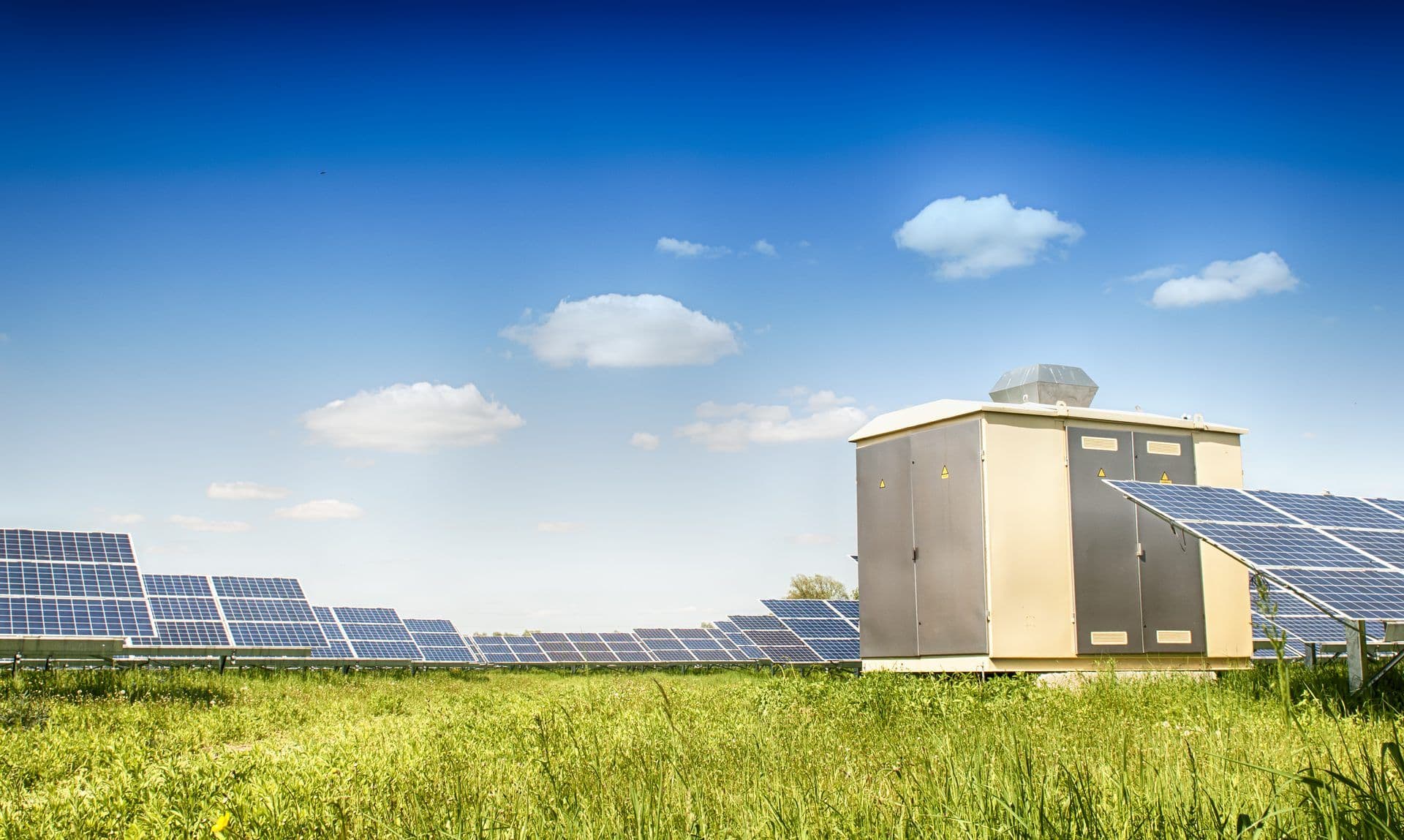
Electricity isn't always made at the same time it's needed. Solar panels are a perfect example of this. They produce the most power in the middle of the day, but a lot of electricity demand actually happens later, in the evening, when people get home, turn on lights, cook dinner, and switch on appliances.
That mismatch is exactly the problem battery energy storage solves.
A battery energy storage system stores electricity when it's available and releases it later when it's actually needed. It's essentially a way of moving power through time.
How Does Battery Energy Storage Actually Work?
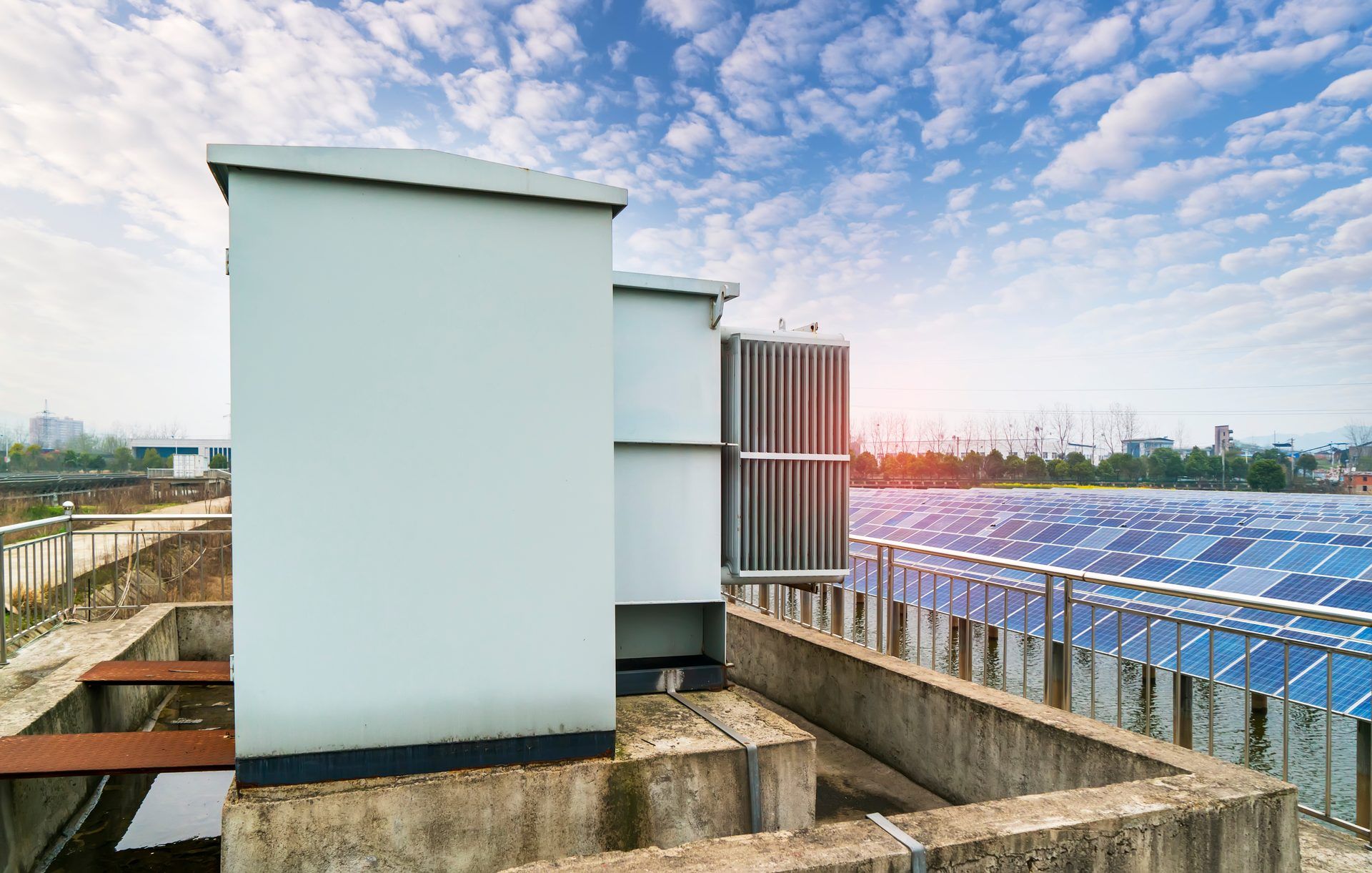
A battery storage system is more than just a big battery sitting there. It includes the batteries themselves, plus equipment that controls charging and discharging, keeps everything operating safely, and converts electricity between different forms as needed.
Here's the basic idea. When electricity flows into the system, it gets stored as chemical energy inside the batteries. When that electricity is needed again, the system converts it back into usable electrical power and sends it out.
Two numbers matter most when talking about any battery system. Capacity tells you how much total electricity the system can hold, usually measured in megawatt hours. Power rating tells you how much electricity the system can actually deliver at any given moment, usually measured in megawatts. A system can have a lot of capacity but still only release power at a limited rate, so both numbers matter for different reasons.
Where Does Battery Storage Get Used?
Battery storage shows up at pretty much every scale imaginable.
At home, a household might pair a battery with rooftop solar panels, so there's still power available after the sun goes down instead of relying entirely on the grid at night. A business might use storage to manage its own electricity costs and demand more carefully. And at the largest scale, grid battery storage connects directly to the electricity network or gets paired with major renewable power plants.
This last category has grown fast, and some real numbers show just how fast. South Africa has procured roughly 1,744 megawatts and nearly 7,000 megawatt hours of grid scale battery storage through its national procurement program, with projects required to be online by 2027 to 2028. One of those, the Red Sands project in the Northern Cape, reached financial close in 2025 and will be the country's largest standalone battery system once built. Over in Egypt, a recent agreement paired 1.95 gigawatts of solar power with 3.9 gigawatt hours of battery storage, making it the largest combined solar and battery project on the continent.
These projects exist for the same basic reason as a home battery, just at a massive scale. Instead of sending every unit of solar or wind electricity straight to the grid the moment it's made, some of it gets stored and released later when it's actually needed.
Why Does Battery Storage Matter?
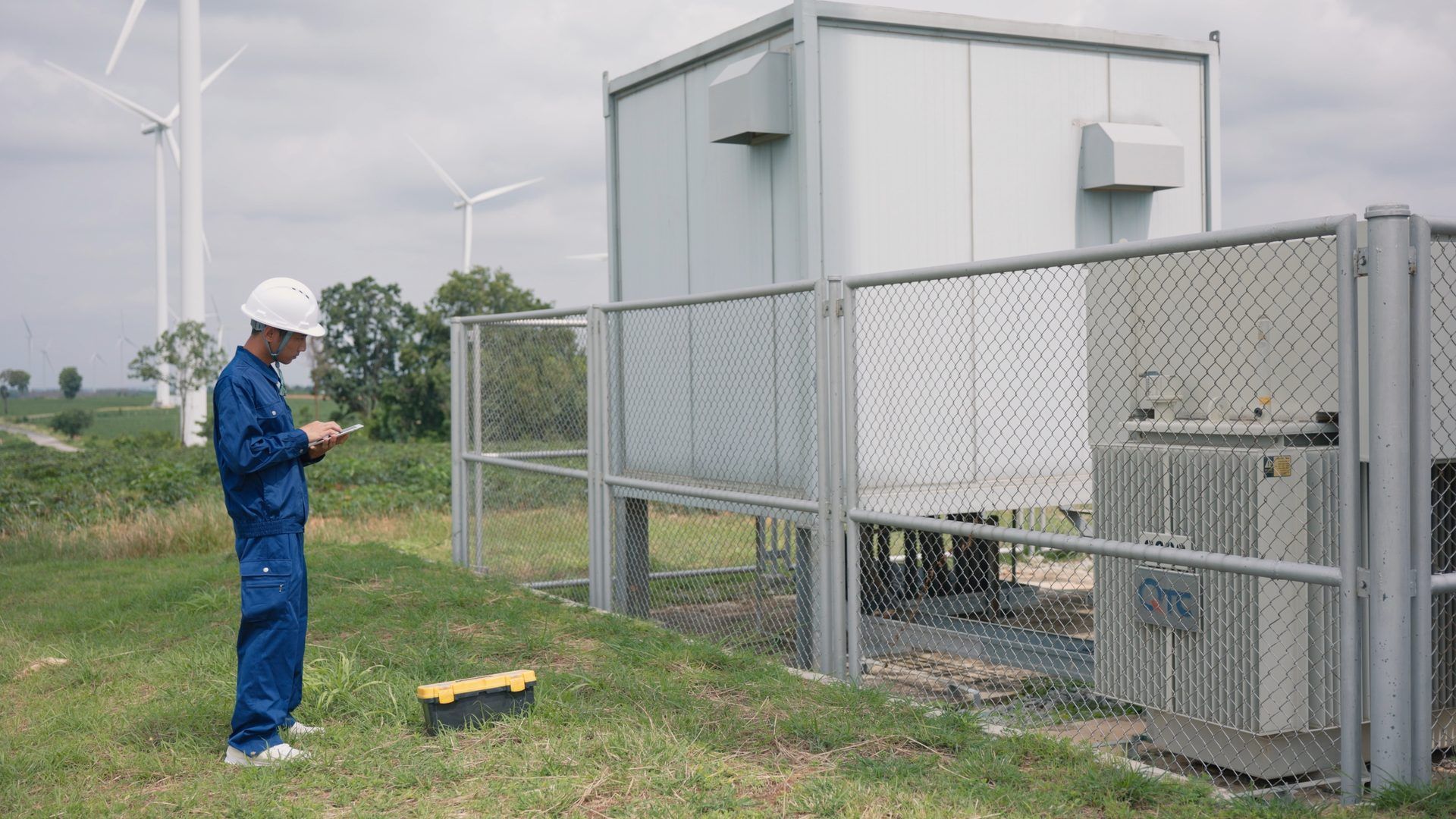
As more electricity comes from sources like solar and wind, which don't produce power at a constant, predictable rate, the ability to shift electricity from one time to another becomes a lot more valuable.
Battery storage isn't a replacement for every piece of power infrastructure a grid needs. It's not going to substitute for transmission lines or generation capacity on its own. But it adds real flexibility, helping grid operators manage the constant back and forth between how much electricity is being made and how much people actually need at any given moment.
That flexibility is a big part of why battery storage has gone from a niche technology to one of the fastest growing parts of the entire energy sector.