
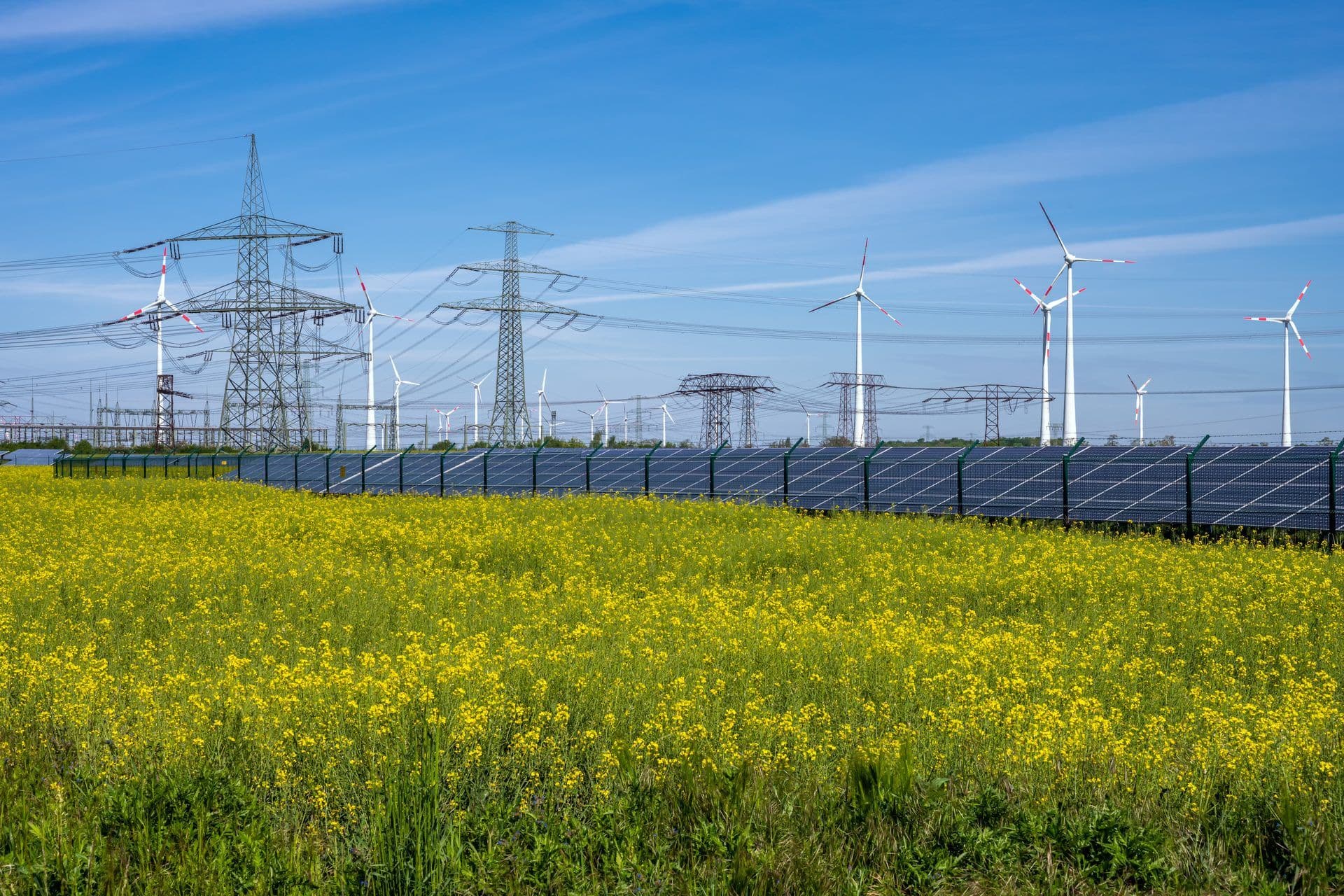
Building a power plant takes a huge amount of money, technical know-how, and time. For most of the last century, that job fell almost entirely to government owned utilities. But that's changed a lot, and private companies now build and run a big share of the world's power projects too.
These companies are called Independent Power Producers, or IPPs for short.
An IPP is a private company that develops, owns, or operates an electricity generation project, and makes its money by selling the power that project produces. Depending on the country and the opportunity, an IPP might build a solar farm, a wind project, a hydropower plant, a battery storage facility, or some other type of power infrastructure.
What Does an IPP Actually Do?
An IPP can be involved in almost every stage of getting a power project up and running.
That usually starts with finding the right site. From there, the company works through permitting, lines up financing, and manages construction once everything is approved. Once the plant is actually up and running, the IPP often stays involved too, handling day to day operations and maintenance.
How much of this any one IPP actually does depends on how the project is structured. Some companies handle the whole lifecycle themselves. Others partner with different firms for financing, construction, or operations.
But building the plant is really only half the job. Once electricity is being generated, it still needs somewhere to go.
How Does an IPP Sell Its Electricity?
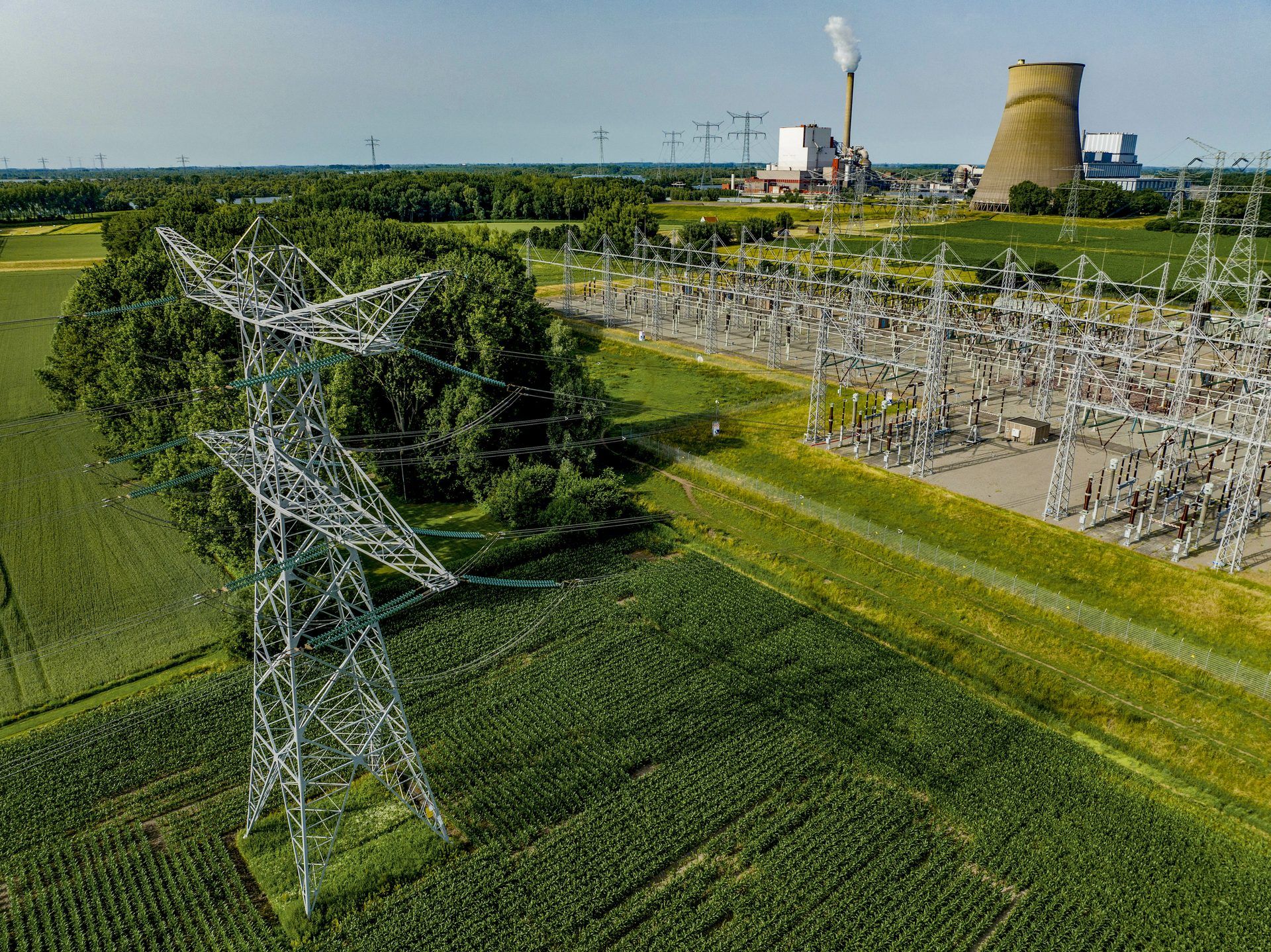
An IPP needs a buyer, plain and simple. Depending on the country, that buyer might be a government utility, a state agency, a commercial company, or another approved purchaser in the local electricity market.
The most common way this gets arranged is through something called a Power Purchase Agreement, or PPA.
A PPA is a contract between the company generating the electricity and whoever is buying it. It spells out the price, how long the agreement runs, how much power will be supplied, and what each side is responsible for.
This matters more than it might sound. Power plants cost enormous amounts of money to build, often hundreds of millions of dollars. A long term PPA gives lenders and investors confidence that the project will actually get paid once it's running, which makes it much easier to raise the money to build it in the first place.
A real example helps here. Lake Turkana Wind Power in northern Kenya is Africa's largest wind farm, with a capacity of 310 megawatts. It was built and is run by a private consortium, not the Kenyan government, and it sells its electricity to Kenya Power under a 20 year Power Purchase Agreement signed back in 2009. The project alone supplies a meaningful share of the country's total electricity, all from a private developer rather than a state utility.
Why Do IPPs Matter?
New power infrastructure is expensive, and governments and public utilities often don't have enough capital sitting around to fund every project a growing country needs.
This is exactly the gap IPPs fill. They bring in private money, along with real technical experience in engineering, financing, and running these projects day to day. That lets governments grow their electricity supply without having to fund and manage every single project themselves.
What Role Do IPPs Play in Renewable Energy?
IPPs have become a major force behind solar and wind development specifically.
A private developer typically spots an opportunity, whether that's a strong wind corridor or a site with excellent year round sun, then handles financing, gets the necessary approvals, and locks in a buyer through a PPA. Once it's built, the same company often keeps running the project and selling the power it generates.
The same model shows up across hydropower, battery storage, and other newer energy technologies too. It's a big reason renewable energy has expanded as fast as it has in many countries over the last decade.
IPP vs Utility: What's the Difference?
People sometimes use these terms like they mean the same thing, but they don't quite.
A utility can be involved in several parts of the electricity chain at once, generation, transmission, distribution, and actually supplying power to homes and businesses, depending on how a country's energy sector is set up.
An IPP is usually more focused. It develops, owns, or operates generation assets, meaning the actual power plants, and earns its revenue purely from the electricity those plants produce. It typically isn't running the transmission lines or billing individual households.
Exactly where the lines are drawn depends on how a particular country's electricity market is structured.
Why Are IPPs Relevant to Africa's Energy Sector?
Across much of Africa, electricity demand is growing fast as populations expand and industries develop. Meeting that demand takes serious new infrastructure and serious capital, more than many governments can finance alone.
IPPs help close that gap. They bring in private investment along with the technical expertise needed to actually deliver these projects, from planning through construction to daily operation. Lake Turkana Wind Power is one clear example, but similar arrangements are playing out across solar, hydropower, and other renewable projects on the continent. For countries trying to expand electricity access and grow their share of renewable power, IPPs have become a genuinely important part of how that gets done.