
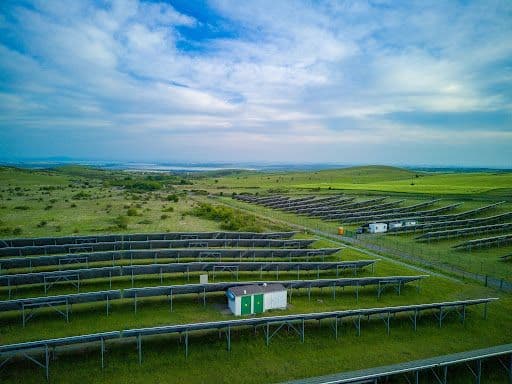
A solar plant can generate a large amount of electricity when the sun is shining, but that production does not necessarily match the timing of electricity demand. Adding a battery to the project changes how that solar power can be used. This combination is known as solar plus storage.
A solar-plus-storage project brings together two technologies: solar panels that generate electricity and a battery system that stores some of that electricity. The battery allows energy produced during one period to be kept for another period when it may be more useful.
How does solar plus storage work?
During periods of strong sunlight, the solar installation supplies electricity to its connected users or the grid. If generation exceeds what is needed at that moment, the available surplus can be sent to the battery.
The battery can hold that electricity until it is needed. For example, solar production may be high in the afternoon while electricity consumption increases later in the evening. Stored power can be released during those later hours, extending the usefulness of the solar generation.
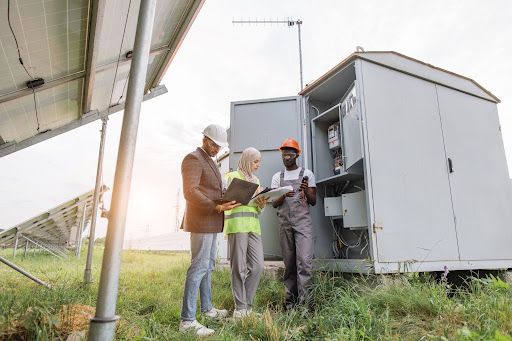
What are solar battery storage projects?
Solar battery storage projects can range from smaller installations serving individual facilities to large developments connected to electricity grids. Their design depends on factors such as the size of the solar plant, battery capacity, local electricity demand and grid requirements.
A project may use lithium-ion batteries or another suitable storage technology. Control systems determine when the battery charges and when electricity is released.
What is solar plus BESS?
Solar plus BESS refers specifically to a solar project paired with a Battery Energy Storage System. The battery can provide additional flexibility by shifting electricity across different times and responding to changes in power demand.
Why are solar storage systems useful?
Solar storage systems can help make solar generation more flexible. Instead of using solar electricity only when panels are producing it, part of that energy can be saved and used later.
As electricity systems add more renewable generation, combining solar power with storage can provide another way to manage changing supply and demand.