
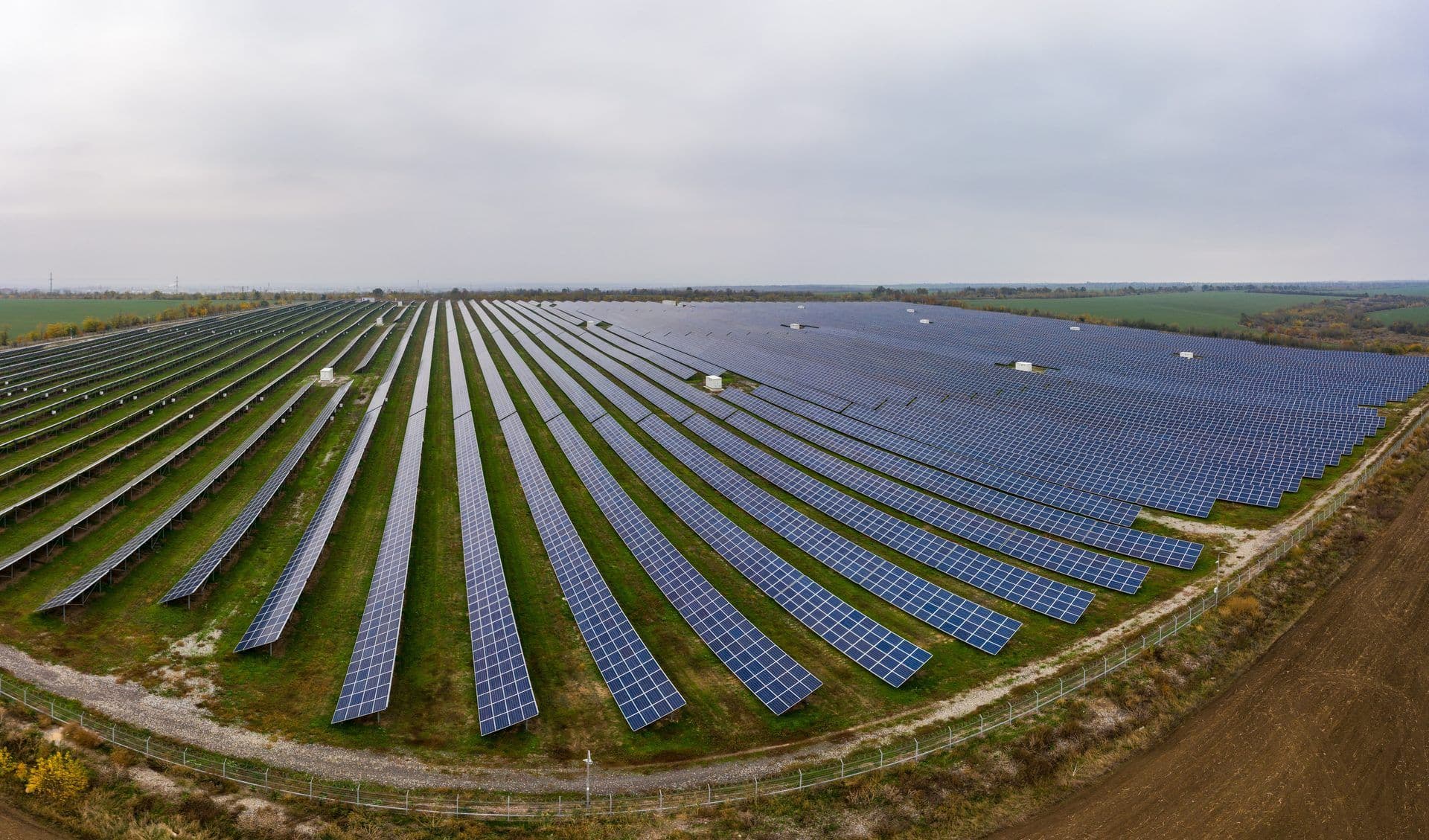
A solar farm is basically a solar project built on a much bigger scale than the panels you'd see on a house roof. Instead of a handful of panels powering one building, a solar farm brings together thousands, sometimes millions, of panels to generate electricity for many users at once, often feeding straight into the wider power grid.
Think of it as the difference between a home garden and a commercial farm. Same basic idea, completely different scale and purpose.
How Does a Solar Farm Work?
The basic science is no different from a rooftop system. Sunlight hits the panels, and that sunlight is converted into DC electricity. Inverters then turn that DC power into AC power, which is the type of electricity homes and businesses actually use.
Where a solar farm gets more complicated is everything built around the panels. There's equipment to collect and manage the electricity coming from thousands of individual panels at once. Transformers step the voltage up before the power gets sent out to the grid, since electricity travels more efficiently over long distances at higher voltage.
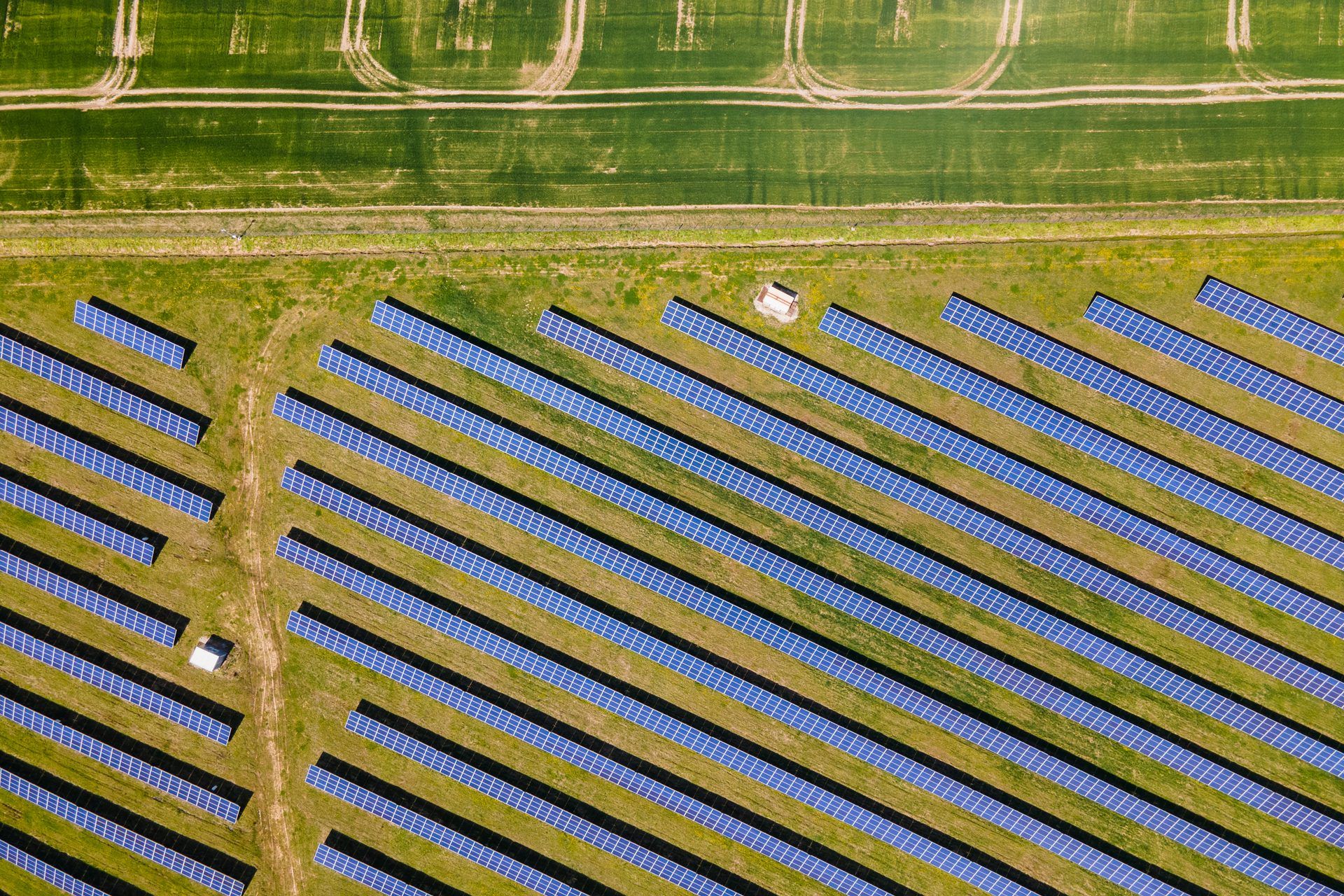
The panels themselves are usually set up in long, neat rows across the site. That layout isn't random. Engineers plan it around the sun's path, the shape of the land, local weather patterns, and how the whole system needs to connect to transmission lines.
How Are Solar Farm Projects Built?
Getting a solar farm off the ground takes a lot more than showing up with panels.
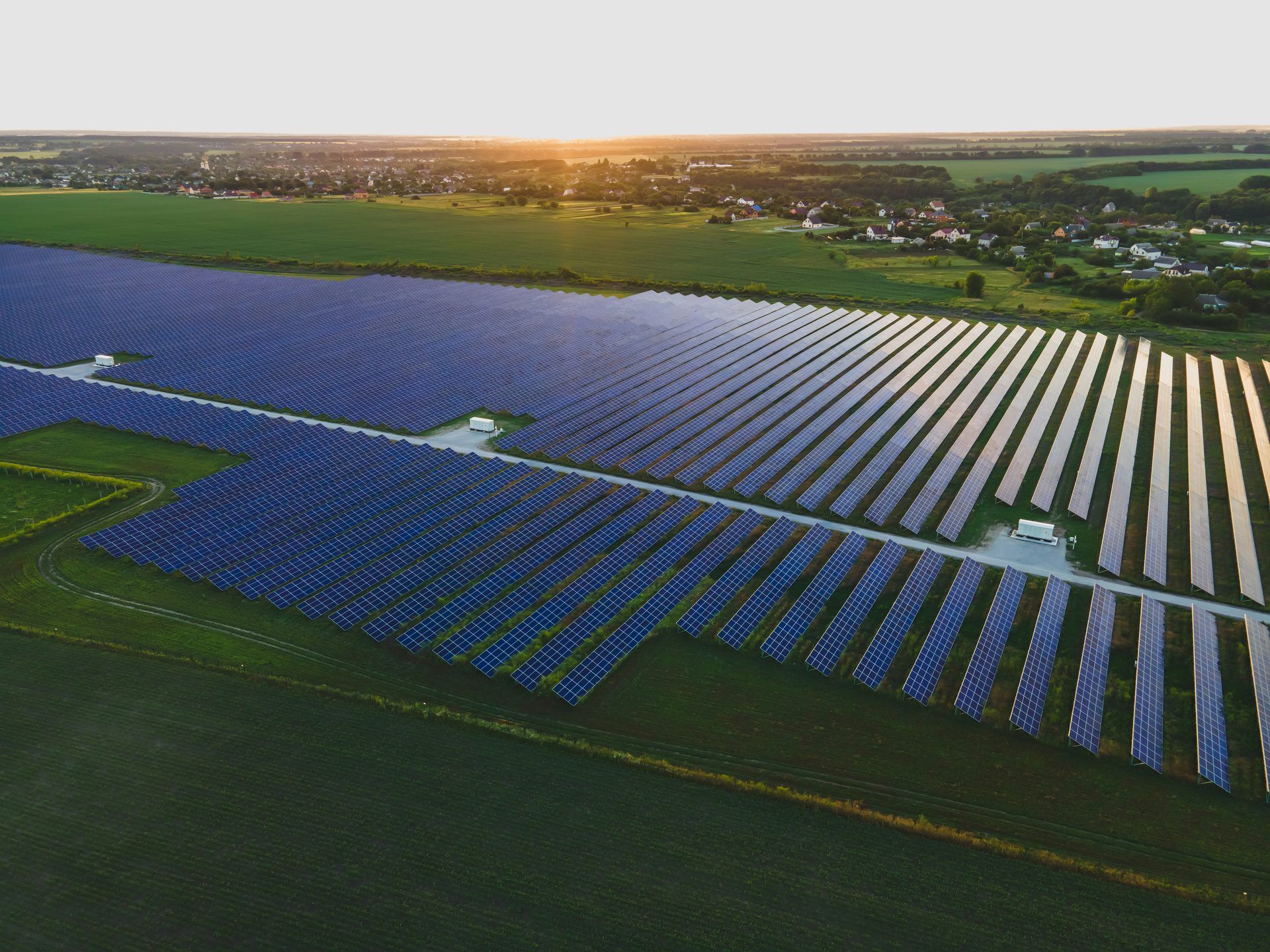
It starts with finding the right site. Developers look at how much sun the location gets, whether the land is actually usable, the shape of the terrain, environmental concerns, and how close the site is to transmission infrastructure. They also have to work through permitting and check whether the local grid can even handle the extra power. A great site with no way to connect to the grid isn't much use.
Once a project clears approval and gets financed, construction begins. Crews prepare the land, put up the mounting structures that hold the panels, run the electrical wiring, and finally connect everything to the grid. Large projects can take a few years from planning to actually producing power.
Just How Big Can a Solar Farm Get?
This is where the numbers get genuinely surprising.
The largest solar farm in the world right now is in Xinjiang, China, with a capacity of around 5 gigawatts. To put that in perspective, that's enough electricity to power roughly two million households a year.
China also runs the Golmud Solar Park, currently around 2.8 gigawatts, with plans to grow it dramatically in the years ahead.
In the United States, the biggest is Edwards & Sanborn in California's Mojave Desert. It covers over 4,600 acres and uses close to 1.9 million individual panels, paired with a large battery storage system.
In Africa, the Benban Solar Park in Egypt is the continent's largest, with a capacity of 1.8 gigawatts spread across 41 separate power plants. It powers more than a million homes and is estimated to cut roughly two million tonnes of carbon emissions every year. It also created around 20,000 construction jobs and 6,000 permanent jobs for ongoing operation and maintenance.
These aren't small side projects. They're genuinely some of the biggest energy infrastructure builds on the planet.
Why Do Solar Farms Matter?
Large scale solar farms can add a huge amount of clean electricity to a power grid, all at once. That matters for countries trying to move away from relying so heavily on coal, oil, or gas for their electricity.
Africa is a particularly interesting case. Large parts of the continent get very strong, consistent sunlight, often far more than regions in Europe or North America already running successful solar projects. Egypt, for example, averages between 9 and 11 hours of sunshine a day. The real challenge isn't the sunlight itself. It's building the infrastructure, financing, and grid capacity needed to actually turn that sunlight into reliable electricity people can use every day.
As more of these projects get built and technology keeps improving, solar farms are likely to keep playing a bigger role in how entire regions get their power, not just individual homes.