
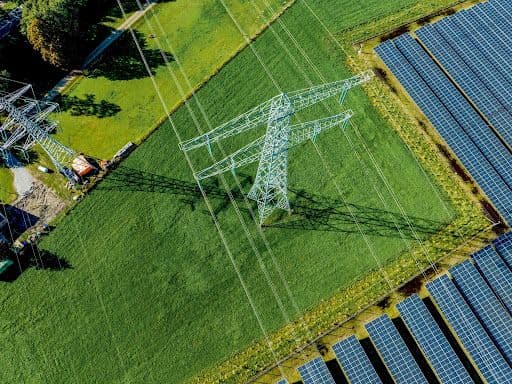
When you switch on a light or charge your phone, the electricity has to travel from where it is produced to where it is needed. The power grid is the network that makes this possible.
A power grid is a connected system of power plants, power lines, substations, transformers and other equipment used to move electricity from generators to homes, businesses and industries.
How does a power grid work?
Electricity is first generated at power plants using sources such as solar, wind, natural gas, coal or hydropower. It then travels through high-voltage transmission lines over longer distances.
Before the electricity reaches homes and businesses, substations reduce the voltage to safer levels. Distribution lines then carry the electricity to individual users.
The grid has to keep electricity supply and demand balanced. When people use more electricity, the system needs enough generation to meet that demand. Grid operators constantly monitor and manage these flows.
What is power infrastructure?
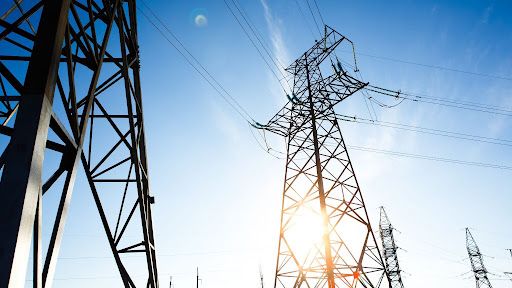
Power infrastructure includes the physical equipment that makes electricity generation, transmission and distribution possible. This includes power plants, transmission lines, substations, transformers and local distribution networks.
Modern power infrastructure can also include batteries, smart meters, sensors and other technologies that help manage the electricity system.
How does the power grid work in different regions?
Power grids can vary from one country or region to another depending on geography, population, electricity demand and available resources. Some countries have large interconnected networks, while others rely on smaller or separate systems.
For example, across Africa, countries have their own national electricity networks, with some also connected through regional power systems. In areas where extending a large grid is difficult, mini-grids and standalone solar systems can provide electricity locally.
Why is the power grid important?
A reliable power grid allows electricity generated in one location to reach users in another. As electricity demand grows and more renewable energy is added, grids also need to become stronger and more flexible.
Understanding how the power grid works helps explain how electricity moves from a generating plant to the devices and machines people use every day.