
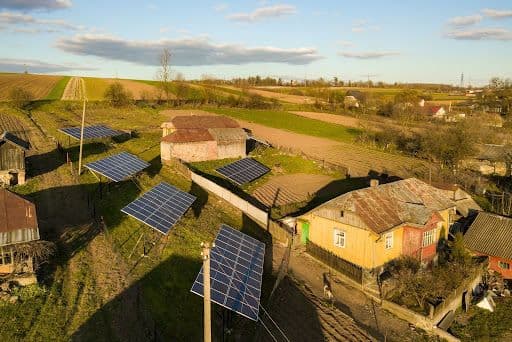
Not every community is connected to a large national electricity network. In places where extending the main grid is difficult, expensive or takes time, a mini grid can offer another way to supply electricity.
A mini-grid is a local electricity network that generates and distributes power to a specific group of users. It can serve homes, businesses, schools, health centres and other facilities within a defined area, without depending entirely on the main national grid.
How does a mini-grid work?
A mini-grid system generally has three key parts: a source of electricity, equipment that manages the power and a local distribution network.
The electricity can come from different sources. A solar mini grid, for example, uses solar panels to generate electricity and may include batteries to store excess power for use when sunlight is unavailable. Other mini-grids can use wind, hydropower, biomass, diesel generators or a combination of sources.
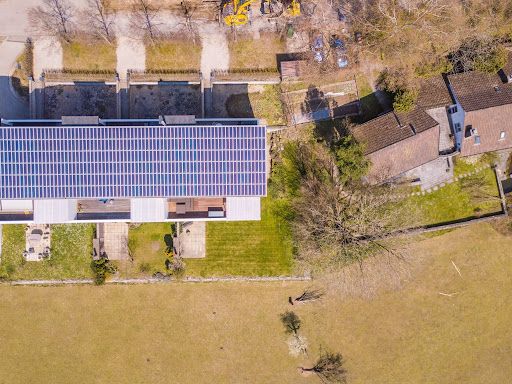
Once electricity is generated, it is distributed through local power lines to connected customers. This is what makes mini grid electricity different from an individual solar home system, which usually supplies power to a single household or building.
Why are mini-grids important?
Mini-grids can help bring reliable electricity to areas where building or extending a large grid may not be practical. They can support local businesses, schools, healthcare facilities and households while creating opportunities for economic activity.
This is particularly relevant in parts of Africa, where mini grid projects are being explored and developed to improve electricity access in communities that are difficult to reach through conventional grid infrastructure.
Can mini-grids use renewable energy?
Yes. Renewable energy mini grids can combine technologies such as solar panels, batteries and small-scale hydropower to provide local electricity with lower reliance on fossil fuels.
As battery technology improves and renewable generation becomes more accessible, mini-grids are becoming an increasingly useful option for expanding electricity access in different parts of the world.