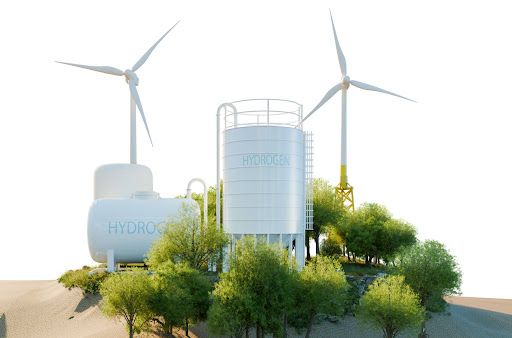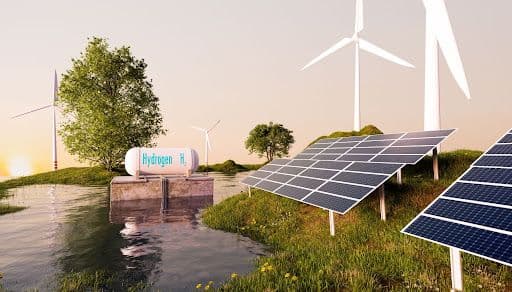
Producing green hydrogen involves more than installing an electrolyser. A green hydrogen project brings together renewable electricity, water, hydrogen production equipment and supporting infrastructure to produce hydrogen with electricity generated from renewable sources.
At the centre of the project is an electrolyser. It uses electricity to split water into hydrogen and oxygen. When the electricity comes from sources such as solar or wind, the hydrogen produced is generally classified as green hydrogen.
What does a green hydrogen project include?
A project can contain several connected components. Renewable power facilities may be built specifically to supply the electrolyser, or electricity may be sourced through other arrangements. The project also needs equipment for treating and supplying water, operating the electrolyser and handling the hydrogen after production.
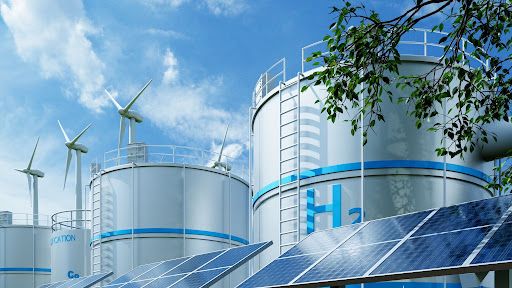
Depending on its purpose, a development may include hydrogen storage, pipelines, transport facilities or equipment that converts hydrogen into products such as ammonia or other fuels.
The scale can vary considerably. Some developments are designed as pilot projects to test the technology, while larger facilities aim to produce hydrogen for industrial users, transport or export markets.
Why are green hydrogen projects important?
Hydrogen can be useful in areas where replacing fossil fuels with direct electricity is difficult. Industries such as steel, chemicals and fertiliser production are among the sectors exploring hydrogen-based alternatives.
This has led to growing interest in renewable hydrogen projects, particularly in regions with strong renewable energy resources.
Where Does Africa Stand on Green Hydrogen?
Several countries are assessing opportunities for green hydrogen projects in Africa, supported by the continent's significant solar and wind potential. Projects could potentially produce hydrogen for domestic industries or future export markets.
However, developing a green hydrogen project requires substantial investment and infrastructure. Access to renewable electricity, water, transport networks, storage facilities, financing and suitable markets can all influence whether a project moves from planning to construction.
As the technology and market continue to develop, green hydrogen projects could become another pathway for using renewable energy beyond conventional electricity generation.