
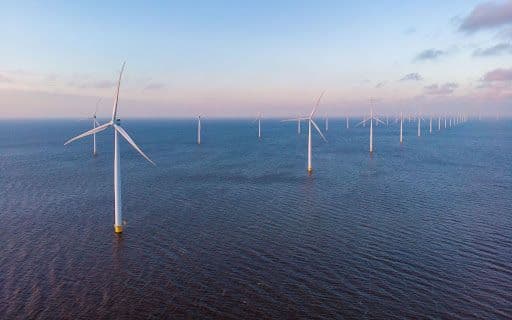
Wind turbines do not have to stand on land. They can also be installed in the ocean, where stronger and more consistent winds can offer an opportunity to generate electricity. This is known as offshore wind energy.
An offshore wind project uses turbines placed in marine areas to capture the movement of wind and turn it into electricity. The power generated at sea is transported through underwater cables to land, where it can eventually enter the wider electricity network.
How does offshore wind work?
The process begins with the turbine blades. As wind moves across the blades, they rotate and drive equipment inside the turbine that produces electricity.
The turbines are supported using structures designed for marine conditions. In relatively shallow waters, turbines can be fixed to the seabed. In deeper areas, floating platforms can be used, allowing turbines to operate farther from the coast.
Once electricity is generated, cables carry it from the offshore installation toward land. A connection point onshore then links the project with the electricity grid.
What are offshore wind farms?
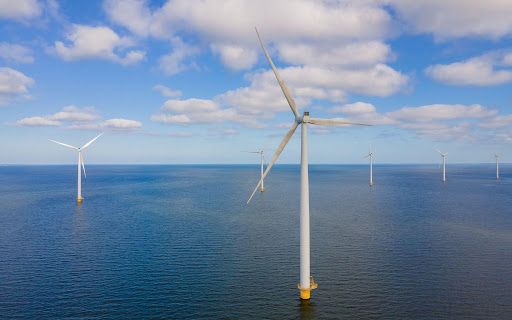
An offshore wind farm is a group of wind turbines operating together in a designated area of the sea. Building many turbines within one project allows developers to generate electricity at a much larger scale than a single turbine.
Planning an offshore wind project involves more than choosing a windy location. Developers need to assess seabed conditions, marine ecosystems, shipping routes, fishing activity, construction requirements and how the project will connect to the grid.
Is offshore wind relevant to Africa?
Interest in offshore wind Africa is emerging as countries explore ways to expand renewable electricity generation. Coastal regions with suitable wind conditions could potentially support offshore projects, although development depends on factors such as infrastructure, investment, technology, regulation and grid capacity.
As offshore technology advances, wind resources at sea could become another option for countries seeking to diversify their electricity mix and increase renewable generation.