
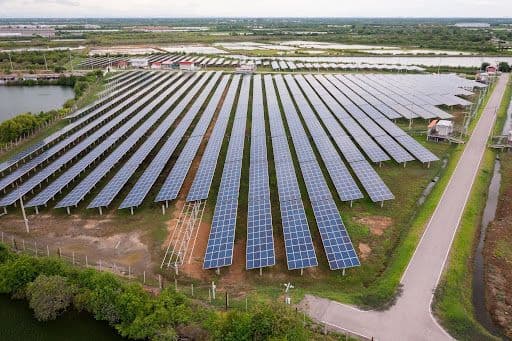
You may have seen solar panels on rooftops, but solar energy can also be produced on a much larger scale. This is where utility scale solar comes in.
In simple terms, utility scale solar refers to large solar installations designed to generate electricity for the wider power grid rather than a single home or building. These projects can contain thousands, and sometimes millions, of solar panels spread across a large area.
How does utility-scale solar work?
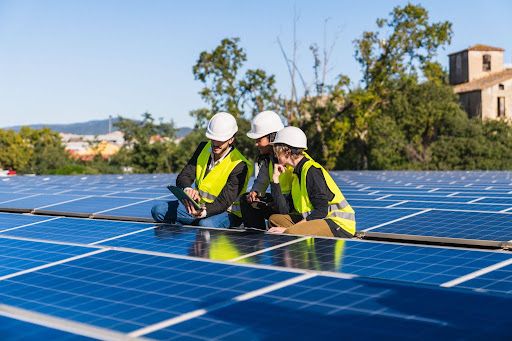
The basic idea is similar to a rooftop solar system. Solar panels turn energy from sunlight into electrical power. In a large project, however, the electricity goes through equipment such as inverters and transformers before being sent into the electricity grid.
This allows utility scale solar power to supply electricity to large numbers of homes, businesses and other users.
What are utility-scale solar projects?
A typical project can cover a significant area of land and include rows of solar panels, electrical equipment, monitoring systems and connections to the grid. Some projects are built on land specifically developed for solar generation, while others can make use of former industrial sites, agricultural land or other suitable locations.
These large scale solar installations are often developed as utility scale solar farms or solar power plants.
Why is utility-scale solar important?
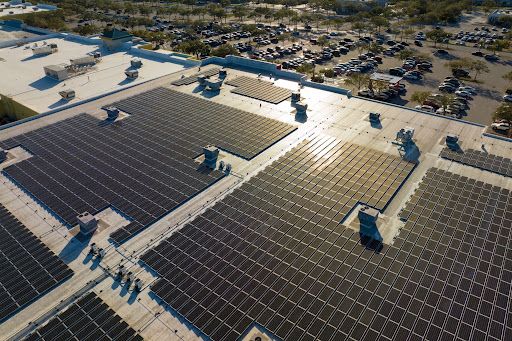
One major advantage is scale. A large installation can generate a substantial amount of electricity from a renewable source without requiring individual consumers to install their own systems.
Utility solar can also help diversify a country's electricity supply and reduce reliance on conventional fuel sources. However, projects must also consider factors such as land use, grid capacity, sunlight availability, energy storage and the variable nature of solar power.
As solar technology continues to develop, utility scale solar is becoming an increasingly important part of electricity systems around the world.