
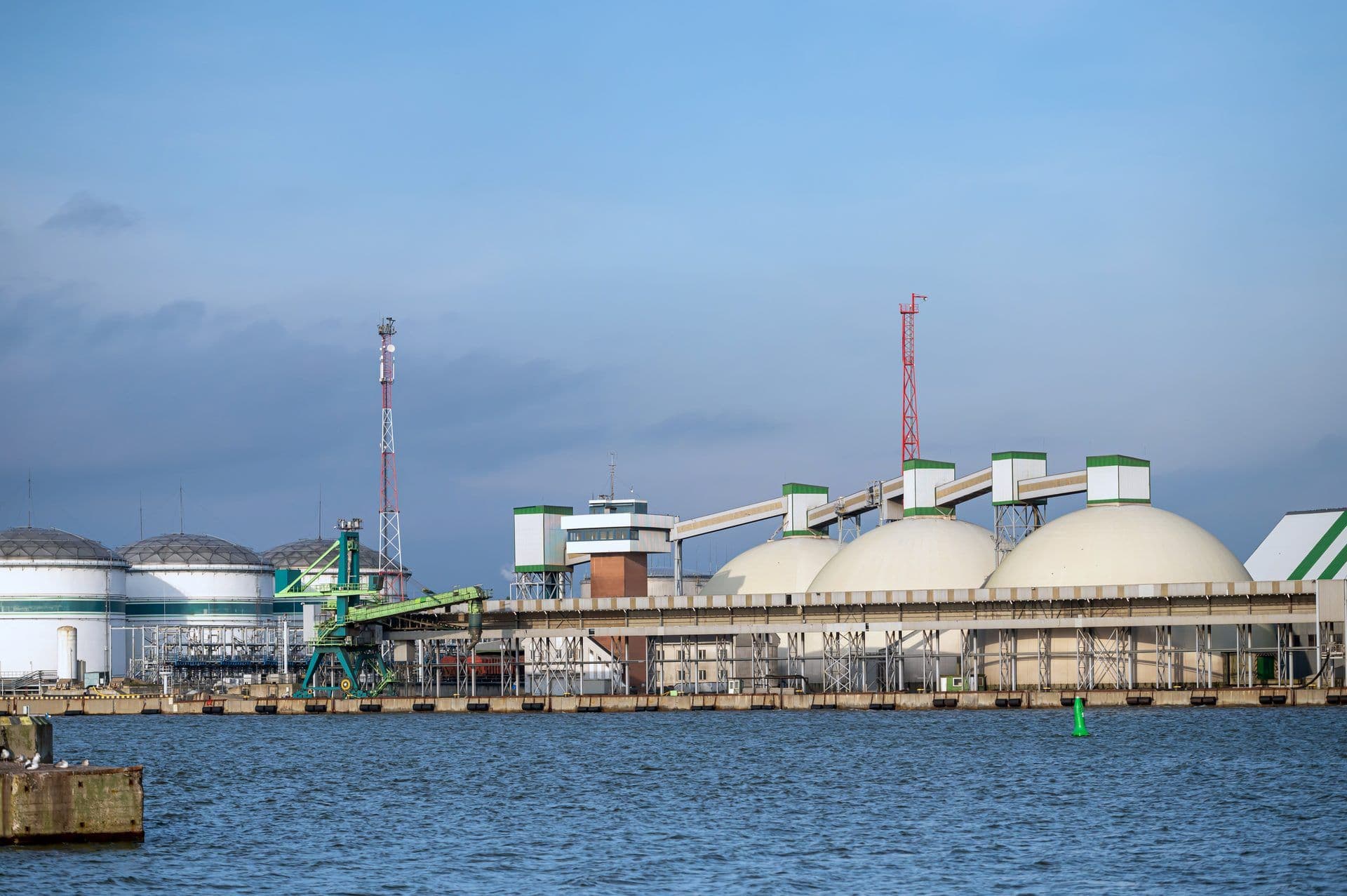
Green hydrogen doesn't come out of the ground the way oil or natural gas does. Nobody drills for it. Instead, it's manufactured, made by using electricity to pull hydrogen straight out of water.
The piece of equipment that makes this possible is called an electrolyser, and it's really the heart of the entire process.
How Does Electrolysis Actually Produce Hydrogen?
Water is made of two elements combined together, hydrogen and oxygen. That's literally what H2O means. During electrolysis, an electrolyser runs electricity through water and splits those water molecules apart into the two elements they're made of.
The hydrogen gets collected and used. Oxygen comes out too, as a second output of the same process.
Here's the part that actually makes it "green." What determines whether hydrogen counts as green hydrogen isn't the hydrogen itself, it's where the electricity powering the whole process came from. If that electricity comes from renewable sources like solar or wind, the hydrogen produced is generally considered green. Run the exact same electrolyser using electricity from a coal plant instead, and you'd get hydrogen, just not green hydrogen. Same output, completely different environmental story, all based on the power source behind it.
What Equipment Does a Green Hydrogen Facility Actually Need?
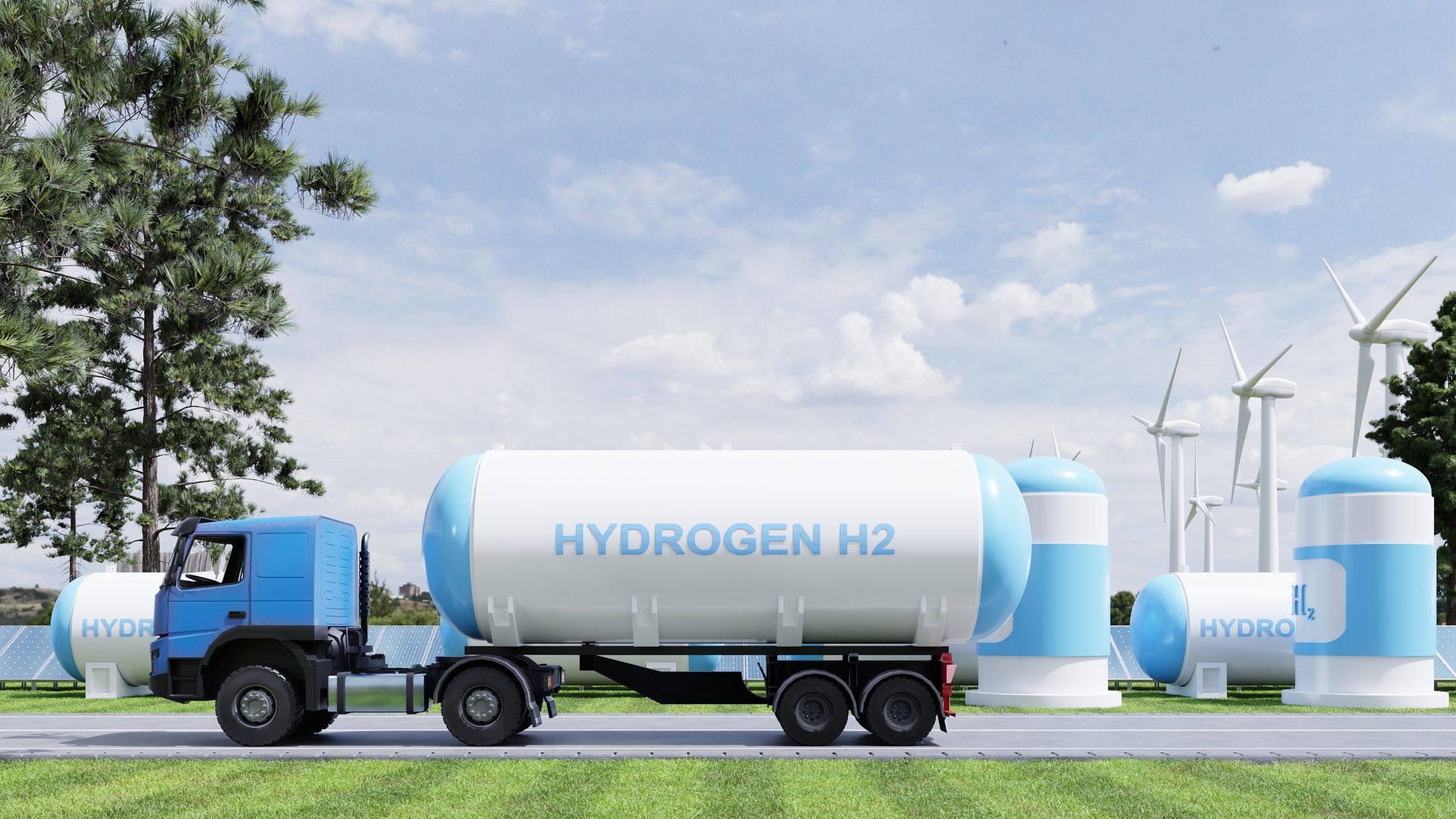
A green hydrogen production site typically needs a handful of core pieces working together. That includes the electrolyser itself, a steady source of water, a supply of electricity, and systems for handling whatever comes next, compressing the hydrogen, storing it safely, or preparing it for transport elsewhere.
Sometimes the renewable electricity comes from a solar or wind project built specifically for that hydrogen facility, with the two developed side by side as one connected project. Other times, the electricity comes from a broader power grid instead, depending on how the project is designed and what standards apply in that particular market.
Why Is Green Hydrogen Getting So Much Attention Right Now?
Hydrogen has real, practical uses. It works as an industrial feedstock, meaning a raw material used in manufacturing certain products, and as an energy carrier for situations where directly using electricity isn't straightforward. That includes specific industrial processes and some forms of heavy transport, like shipping, where batteries alone often aren't practical.
Africa has become a particularly interesting part of this story. The continent has enormous solar and wind potential, and that resource base has sparked real investment interest in renewable hydrogen projects across several countries.
Namibia is probably the clearest example right now. The country is developing a green hydrogen project in the Tsau Khaeb National Park with a total planned investment of around 9.4 billion dollars, aiming to eventually produce 300,000 tonnes of hydrogen a year. The first phase alone involves building roughly 2 gigawatts of renewable electricity capacity, solar and wind combined, specifically to power the electrolysers on site. It's expected to create close to 15,000 construction jobs and around 3,000 permanent positions once operational, with the large majority reserved for Namibian workers. South Africa, Egypt, Morocco, Mauritania, and Kenya are all pursuing similar projects of their own, with South Africa alone backing a pipeline of green hydrogen projects worth close to 17.8 billion dollars over the coming decade.
That said, it's worth being honest about the challenges too. Producing green hydrogen at real scale takes a huge amount of renewable electricity, a reliable water supply, serious infrastructure, and significant upfront investment. Transporting and storing hydrogen also comes with genuine technical and economic hurdles that the industry is still working through. This isn't a simple or cheap technology to deploy, even with strong sun and wind resources on hand.