
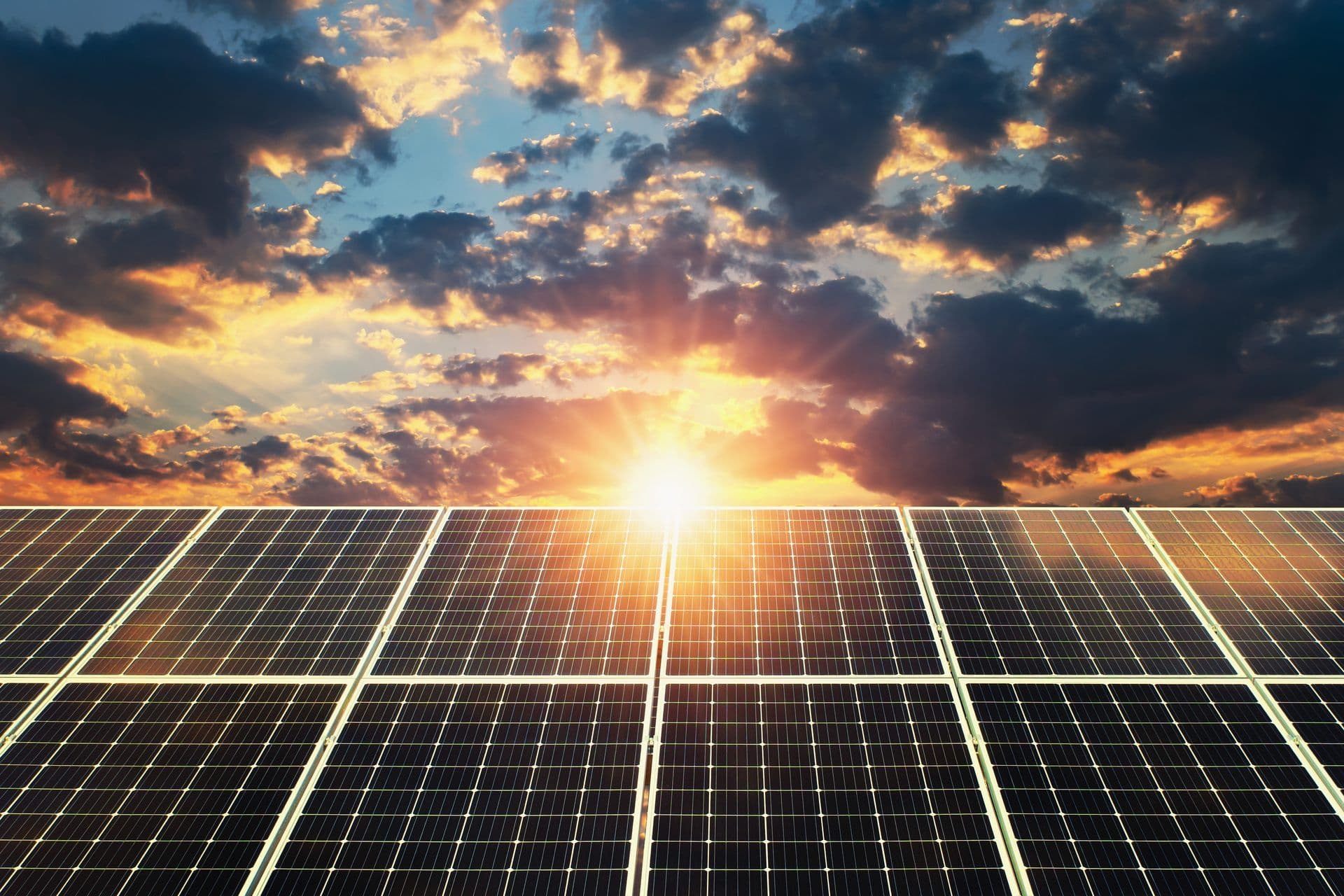
Sunlight feels like it should be free and unlimited, and in a sense it is. But turning it into electricity you can actually use takes a few specific steps. It's not magic. It's chemistry and engineering working together.
Let's walk through it from start to finish.
What Happens Inside a Solar Panel
A solar panel is made up of smaller units called photovoltaic cells, or PV cells for short. Most are built from silicon, the same base material used in computer chips.
When sunlight hits one of these cells, it knocks electrons loose inside the material. Those electrons start moving, and that movement is what we call electricity.
The electricity made this way is direct current, or DC. That's the same type of power a battery stores. But your house, your appliances, and the power grid all run on a different type called alternating current, or AC.
So the power coming straight off your roof isn't ready to use yet. It needs one more step.
Why You Need an Inverter
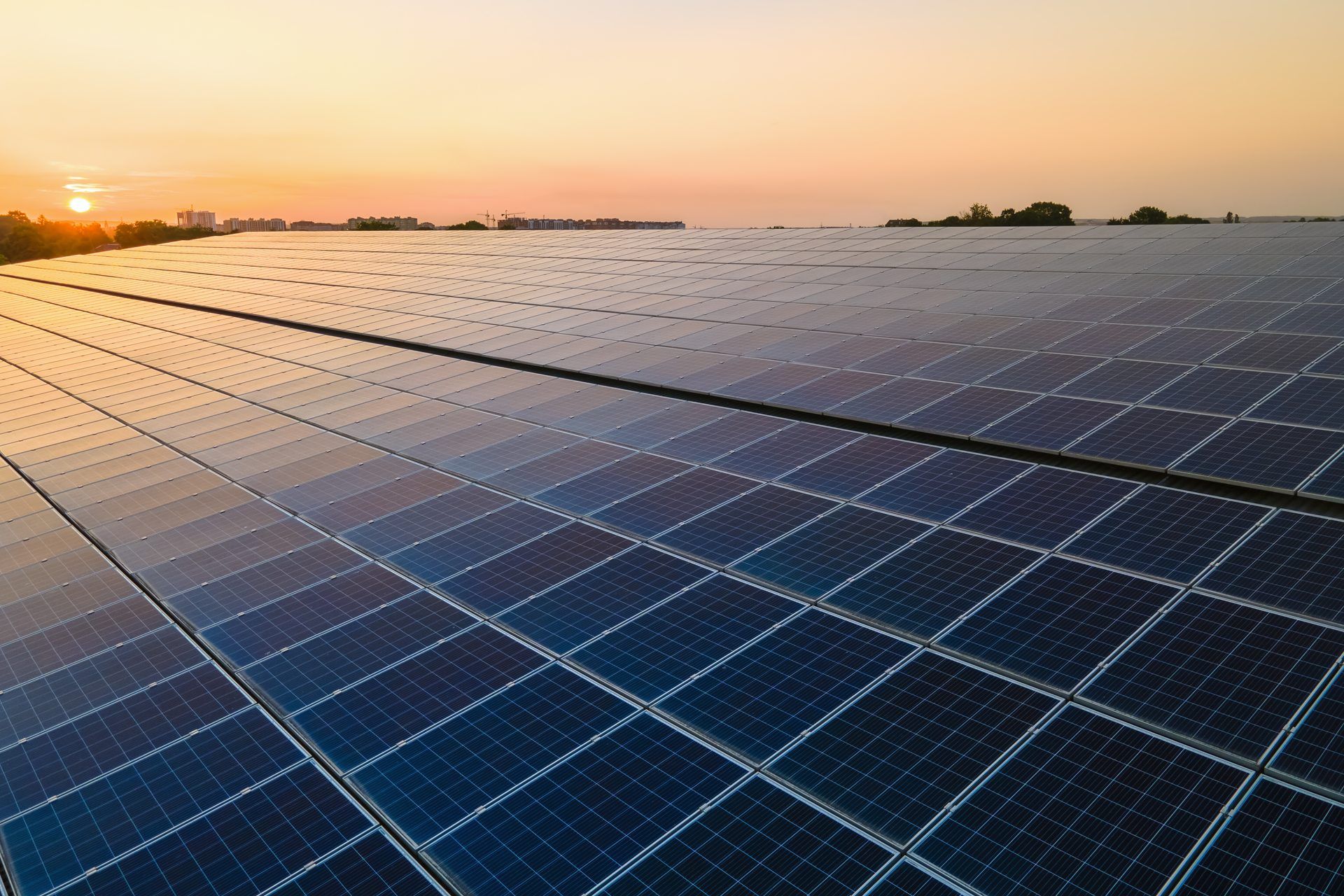
This is where the inverter comes in. Its whole job is to take the DC power from the panels and turn it into AC power your home can actually use.
Once that conversion happens, the electricity is ready for your outlets, your fridge, your lights, whatever needs it. If your system makes more power than you're using at that moment, the extra electricity has two places to go. It can charge a battery for later, or, if your utility allows it, it can flow back into the grid, often earning you a credit on your bill.
Put simply, the path looks like this:
Sunlight, then PV cells, then DC electricity, then the inverter, then AC electricity, then your home, a battery, or the grid.
What Happens at Night or on a Cloudy Day
This is where a lot of people get confused, so let's clear it up.
At night, panels produce nothing. No sunlight means no electrons moving, so there's no current. That's simply how the technology works. Power after dark has to come from somewhere else, either a battery you charged earlier in the day or the regular grid.
On a cloudy day, though, panels don't shut off. They keep working. Sunlight still gets through clouds, just less of it, so the panels still generate power, just at a lower rate than on a clear day. A lot of people assume cloud cover means zero output. It doesn't.
Where Solar Power Gets Used
Solar isn't just for houses. It shows up at a few different scales.
A single home or small business might put panels on the roof to cover part or all of its own electricity use. Larger buildings, like warehouses or office complexes, can install bigger systems for the same reason. At the largest scale, entire solar farms with thousands of panels feed power directly into the electricity grid, supplying whole towns or regions.
Solar also matters in places where running power lines would be expensive or impractical, like remote farms or research stations. A self contained solar setup can bring power somewhere the grid simply doesn't reach.
The Efficiency Numbers Nobody Talks About
Here's the part most articles skip, and it's actually pretty interesting.
The very first working solar cell, built back in 1954, only converted about 6 percent of the sunlight hitting it into usable electricity. That was considered a breakthrough at the time.
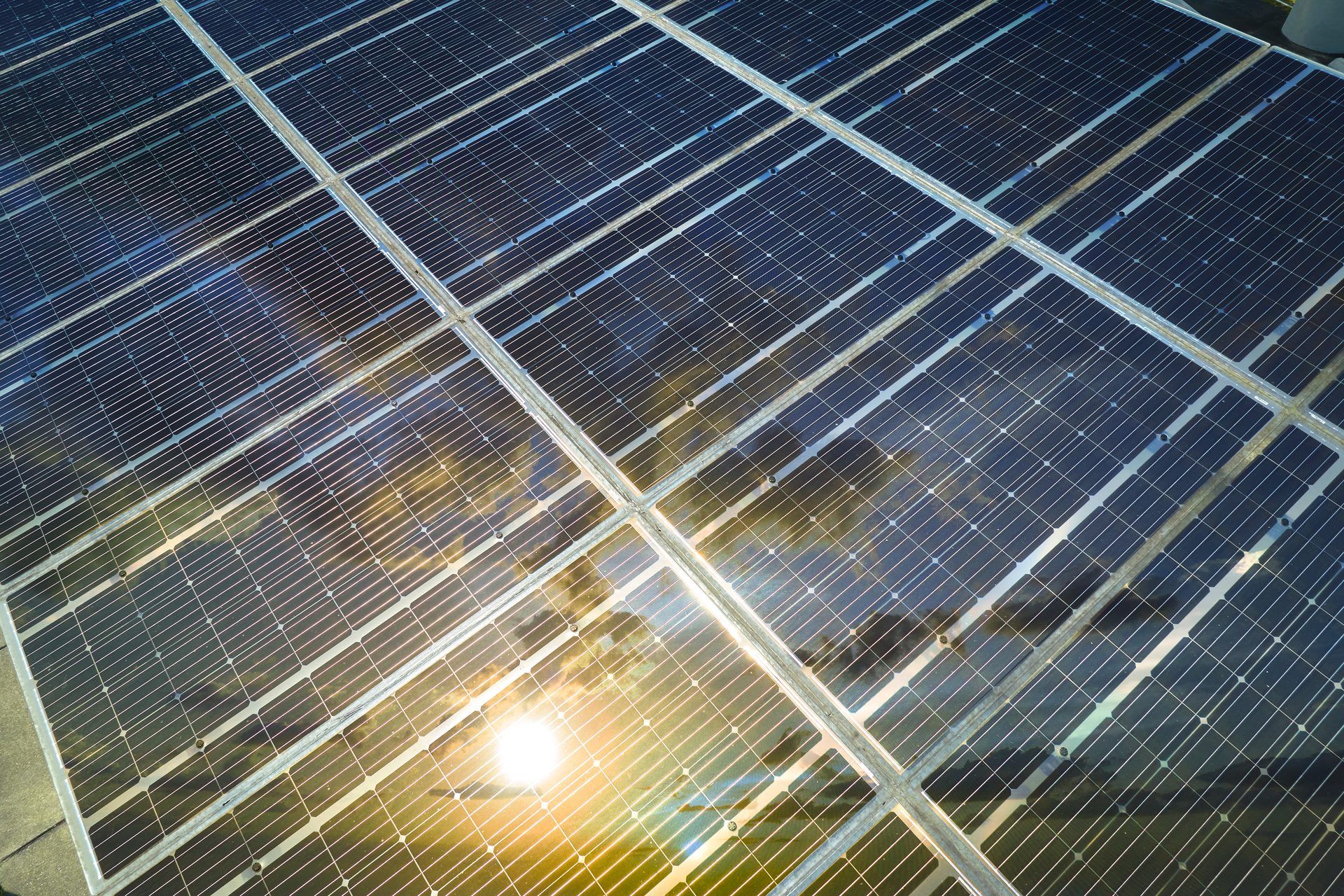
Fast forward to today. Most solar panels sold to homeowners in the US convert at least 20 percent of sunlight into electricity, and the best consumer models reach around 23 percent.
But in research labs, the numbers have gotten a lot more impressive. In 2026, a team of German researchers at Fraunhofer ISE built a solar module that hit 34.4 percent efficiency using a layered cell design. Around the same time, the Chinese manufacturer LONGi announced a cell that reached 35.5 percent efficiency, verified by an independent European testing lab.
Why should a homeowner care about lab numbers they'll never actually buy? Because this research is where tomorrow's consumer panels come from. Efficiency gains that show up in a lab today often show up on rooftops in a few years, meaning fewer panels needed to power the same home.
A few other things worth knowing:
Heat actually works against solar panels. It sounds backwards, but panels lose a bit of efficiency as they get hotter. A cold, sunny day can sometimes outperform a scorching one. This surprises a lot of people who assume more heat means more power.
Panels don't wear out fast. Most manufacturers back their panels for 25 to 30 years, and even at the end of that window, panels are typically still producing 80 to 90 percent of what they did when new. This isn't a product that quits after a few years.
Farms are starting to use solar too. It's called agrivoltaics, and it means putting solar panels above crops that don't need full sun all day. In some cases, the shade actually helps the crops by reducing water loss, so farmers get two uses out of the same land.
Why This Actually Matters
Solar power doesn't burn anything to make electricity, which is the main reason it's grown so quickly over the past decade. But how well it works for any one building depends on a few things: how much sun that location gets, how the system is designed, whether there's battery storage, and the quality of the equipment used.
As efficiency keeps climbing and costs keep coming down, solar is likely to keep taking up a bigger share of how homes and businesses get their power.