
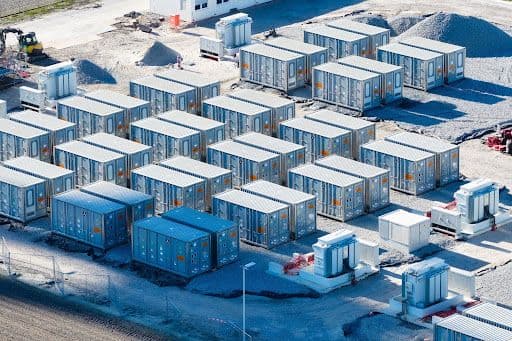
Renewable energy can be abundant at one moment and limited at another. Solar generation follows the sun, so its output falls once daylight fades, even though people and businesses may still need power. Wind generation can also rise or fall depending on weather conditions. BESS renewable energy systems help manage this mismatch between when electricity is produced and when it is needed.
BESS stands for Battery Energy Storage System. If a renewable plant produces more power than the grid or its users can take at that moment, the surplus can be directed into a battery for later use. The stored electricity can then be released when renewable generation falls or demand increases.
How does BESS work with solar power?
BESS solar systems are a common example. A solar plant may produce a large amount of electricity around midday, even when demand is relatively low. Instead of sending all the generation directly to the grid, some of it can be directed into a battery.
That stored power can then be fed back into the system during periods when solar output is lower. This allows solar-generated power to remain useful beyond the hours of strongest sunshine.

How Can Batteries Make Renewable Power More Flexible?
Battery storage renewable energy projects can do more than shift electricity from one part of the day to another. Batteries can respond quickly to changes in electricity supply and demand, helping power systems maintain a better balance.
They can also help renewable projects operate alongside the wider electricity network by providing additional flexibility when generation changes.
Why are renewable energy storage systems important?
As more solar and wind capacity is added to electricity networks, managing variable generation becomes increasingly important. Renewable energy storage systems give grid operators and project developers another tool for handling these changes.
BESS does not replace renewable generation. Instead, it helps make better use of the electricity those sources produce, allowing clean power generated at one time to serve demand at another.