
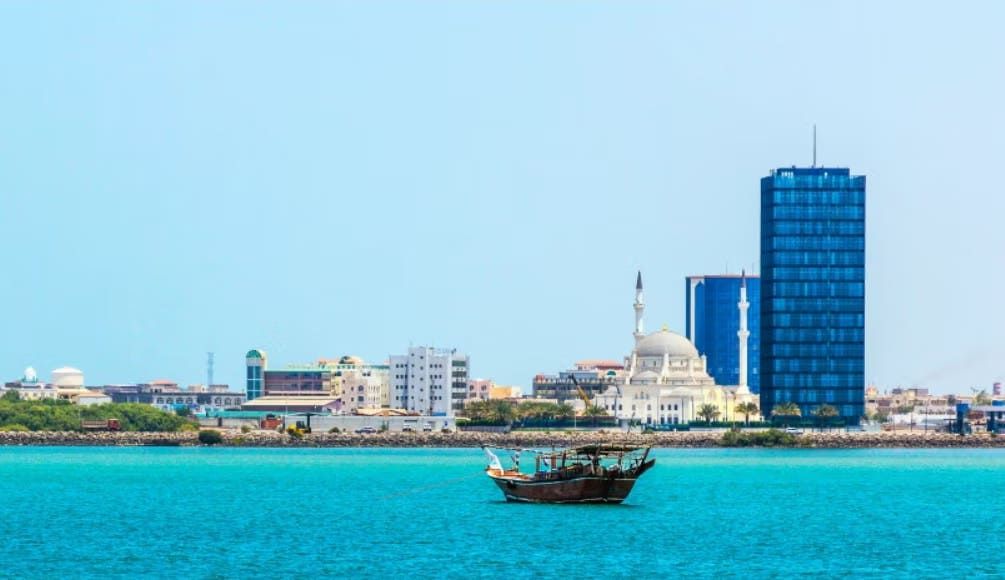
A Country Private Sector Diagnostic published by the World Bank Group indicates Djibouti could unlock up to $390 million in private investment for off-grid solar and corporate commercial power generation. The diagnostic identifies clean energy as a core economic sector where targeted regulatory reforms could mobilize over $600 million in private capital and create 12,000 jobs over five years.
In Djibouti, commercial electricity tariffs currently hover around 25 US cents per kWh, nearly double the regional Sub-Saharan African average of 14 cents. These high power costs impose a heavy operational burden on local businesses, port operations, and logistics providers. High tariffs, combined with Djibouti’s abundant solar radiation, create strong economic incentives for commercial and industrial enterprises to adopt self-generation rooftop solar and microgrid systems.
Since 2022, Djibouti has deployed approximately 10 MW of off-grid commercial solar, with multiple industrial projects under preparation. To accelerate investment deployment, the World Bank recommends policy reforms that streamline corporate self-generation licensing, establish clear net-metering structures, standardise private PPAs, and expand local technical training initiatives.
Given Djibouti’s strategic maritime location along the Red Sea trade route, lower power costs achieved through distributed solar could enhance the country’s regional economic competitiveness.