
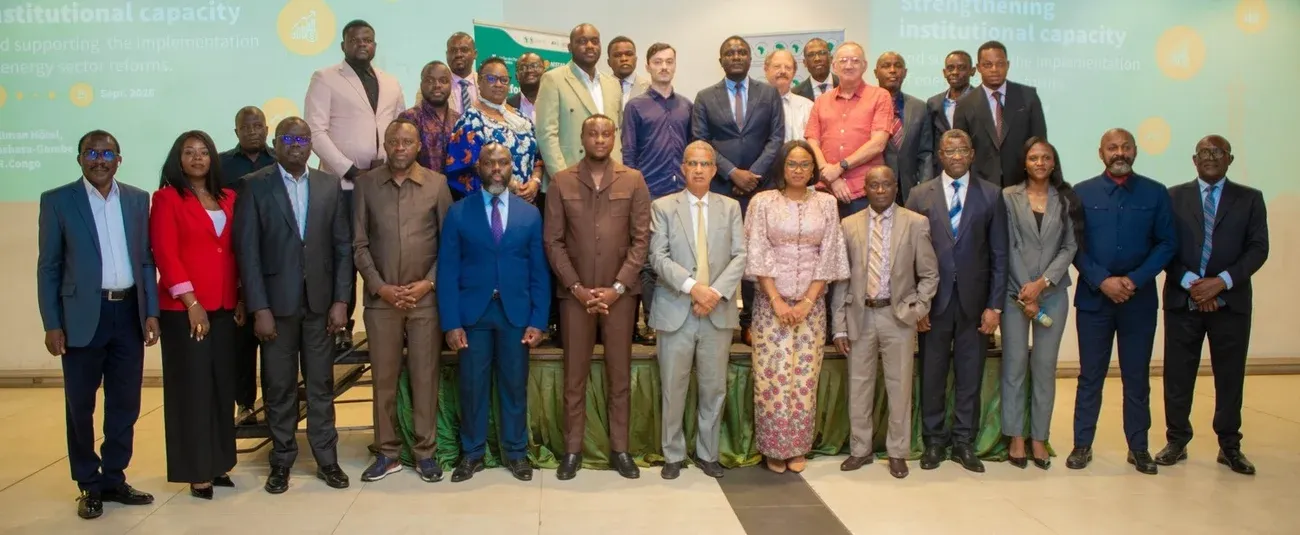
The Democratic Republic of Congo (DRC) has validated a series of regulatory frameworks designed to overhaul its national power sector and attract private clean energy investment. Supported by the African Development Bank (AfDB) under the Electricity Sector Technical Assistance Programme (AESTAP), the government hosted a high-level workshop in Kinshasa to review cost-reflective tariff methodologies and licensing rules for independent power producers (IPPs).
Despite possessing immense hydroelectric resources, including the Grand Inga potential and vast solar irradiance, the DRC’s national electrification rate remains below 20%, with severe grid supply deficits impacting both major urban centers and the mineral-rich Katanga mining corridor. The new regulatory reforms target the primary bottlenecks that have historically discouraged private energy investments: opaque tariff-setting processes, complex project permitting, and overlapping jurisdictional authority between national and provincial power agencies.
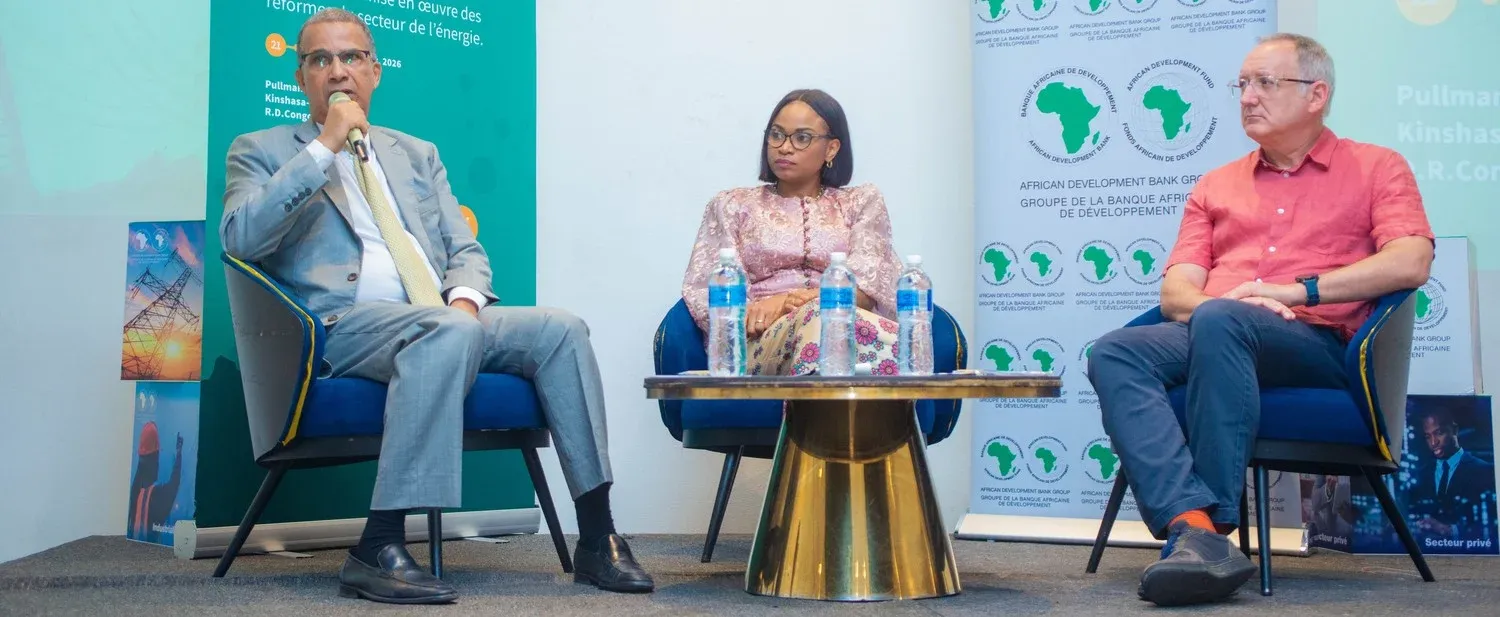
The validated framework establishes clear guidelines for the Electricity Regulatory Authority (ARE), granting it expanded operational oversight to set transparent power tariffs, govern grid interconnections, and protect consumer rights. Additionally, the reform introduces streamlined approval pathways for mini-grid developers and off-grid solar providers seeking to deploy private capital in remote regions underserved by state utility SNEL.
Government officials emphasized that modernizing power sector governance is essential to unlocking private investment in utility-scale solar PV, solar-diesel hybrid systems, and run-of-river hydro projects across the country. The AfDB confirmed it will continue providing technical assistance to build regulatory capacity and support project preparation for upcoming renewable energy tenders.