
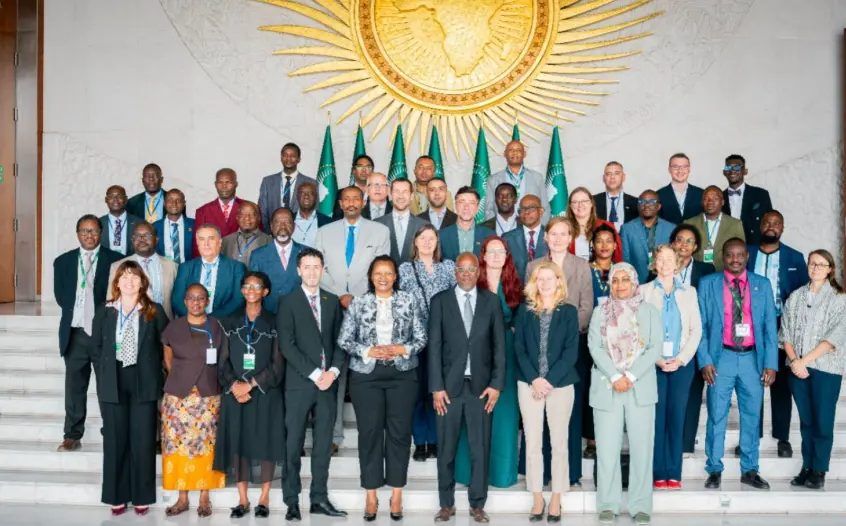
The African Union Commission has established a new technical oversight body to coordinate the next phase of the African Single Electricity Market (AfSEM), as the continent moves towards greater cross-border electricity trading and interconnected power systems.
The inaugural meeting of the AfSEM High-Level Technical Oversight Committee was held in Addis Ababa from 28 to 30 September. Representatives from the African Union Commission, AUDA-NEPAD, regional economic communities, power pools, regulators, energy institutions, development finance institutions and international partners took part in the meeting.
The committee has now formalised its institutional and governance arrangements and launched dedicated Technical Working Groups to support the implementation of AfSEM priorities. It also agreed on responsibilities, implementation timelines and reporting mechanisms for the work ahead.
From national grids to regional power trade
AfSEM is intended to progressively connect Africa's national and regional electricity markets, allowing countries to trade power across borders while making better use of available generation and transmission infrastructure.
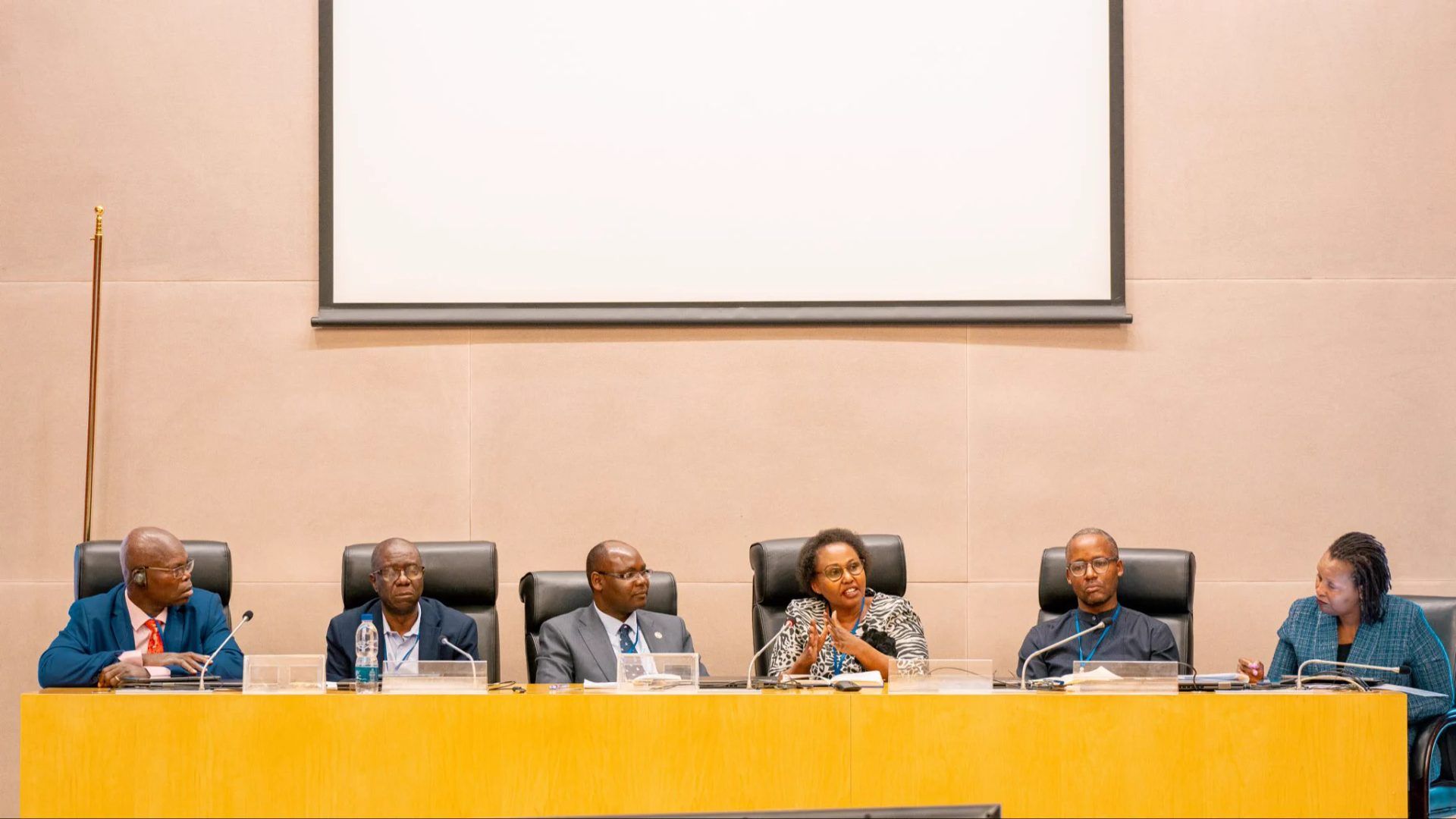
The latest discussions covered several practical issues that will determine whether this vision can work at scale, including regulatory coordination, cross-border transmission, electricity-market rules, trading and settlement systems, and cooperation between regional power pools.
The initiative is being built around Africa's existing regional electricity structures rather than replacing them. The Southern, Eastern, Western and Central African power pools are expected to play an important role as regional markets become more closely integrated.
Renewable energy adds urgency
Greater market integration could also become increasingly important as African countries add solar, battery storage and other renewable generation to their electricity systems.
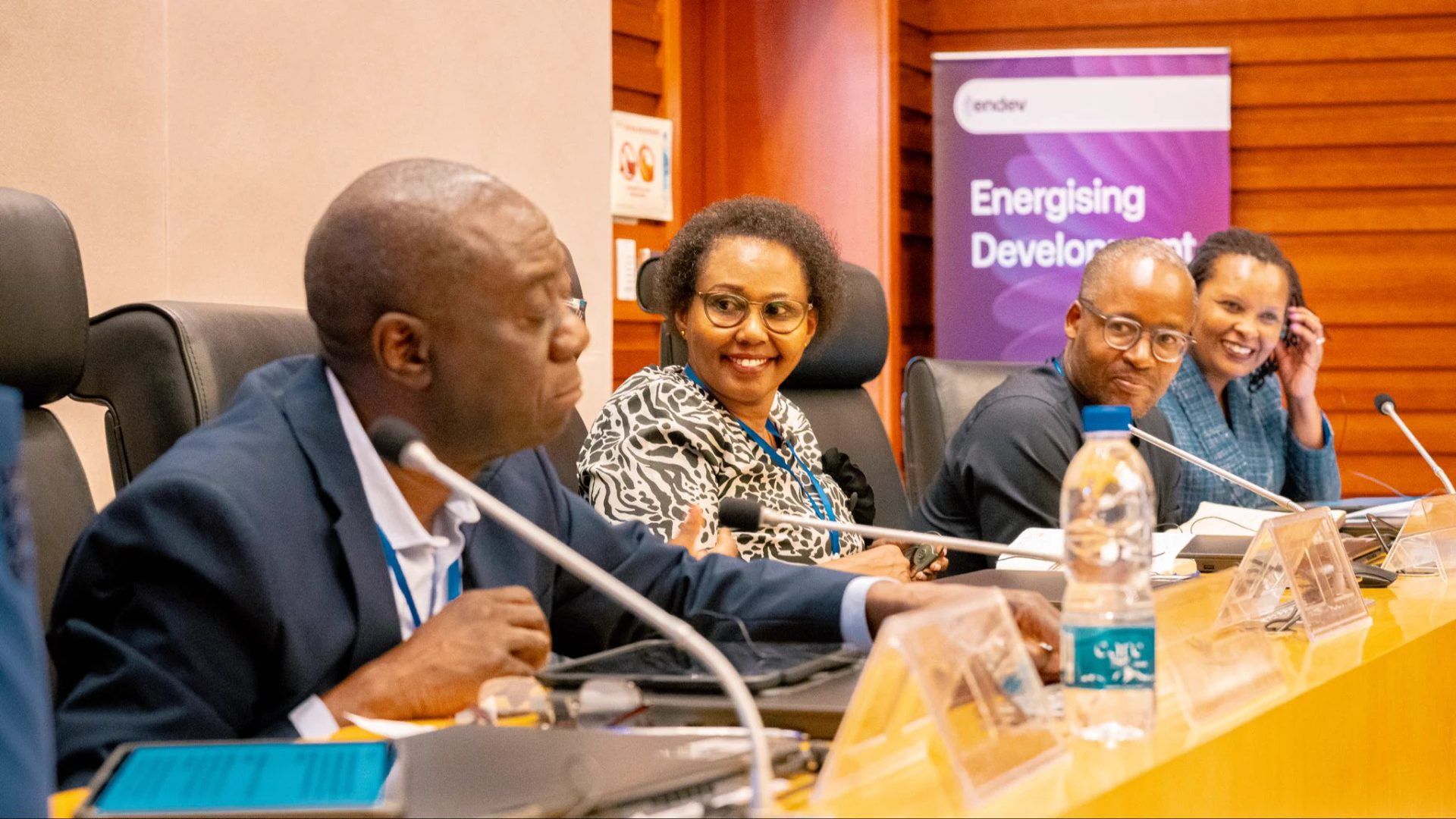
One challenge is that renewable generation does not automatically translate into reliable electricity if transmission networks and market mechanisms cannot move power to where it is needed. The African Union has therefore linked AfSEM with broader efforts to strengthen transmission infrastructure, improve regulatory capacity and mobilise investment.
The committee also reviewed lessons from an AfSEM technical study mission to Europe, covering areas such as market coupling, cross-border trading, regulatory coordination and financing. The AU said these lessons are being considered for their relevance to African conditions rather than simply replicated.
The latest meeting follows the third AfSEM Forum held in Accra in July, where participants identified cross-border electricity trade, regulatory harmonisation, infrastructure development and investment mobilisation as priorities for implementation.
The AU now intends to use the new oversight committee and technical working groups to move AfSEM further from institutional planning towards practical regional electricity-market development.